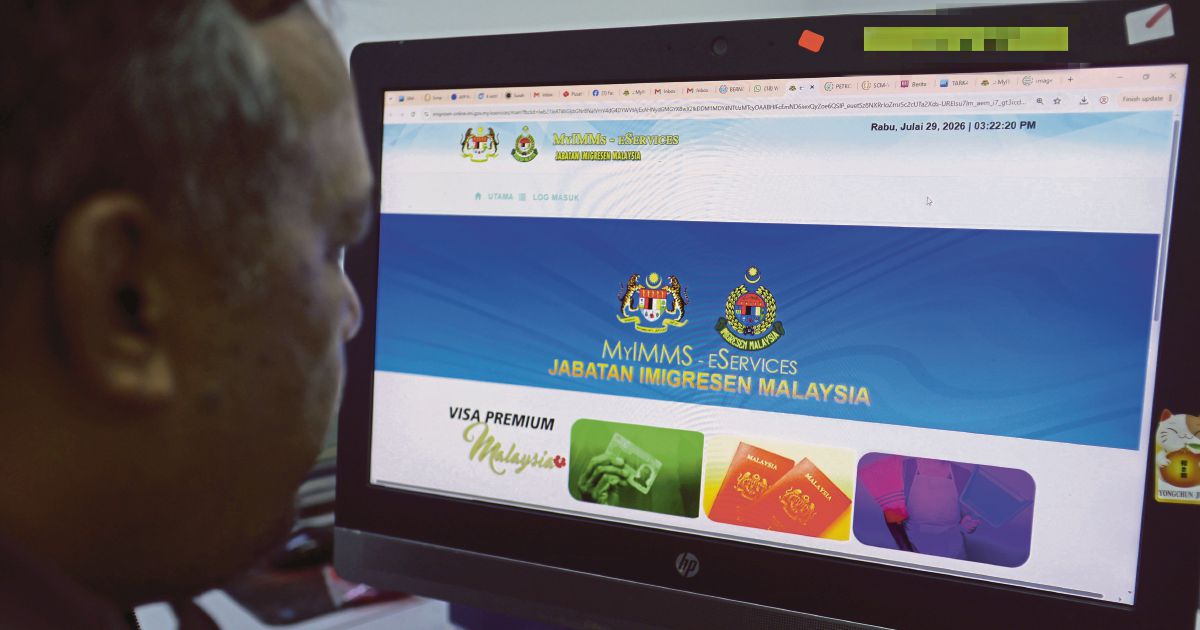
The reported breach of the Malaysian Immigration System (MyIMMs) demands a fundamentally different analytical framework than conventional cybercrime cases, according to security experts assessing the incident's implications. Rather than viewing the alleged hacking and system manipulation primarily through a law enforcement lens focused on individual perpetrators or financial crimes, analysts now contend the intrusion represents a broader threat to national sovereignty and institutional integrity that warrants classification alongside traditional security concerns.
The distinction carries significant practical consequences for how Malaysia responds to the breach. Treating the incident as a national security matter rather than a cybercrime case would likely trigger different investigative protocols, potentially involving military and intelligence agencies alongside civilian law enforcement. This expanded approach acknowledges that unauthorized access to immigration infrastructure could enable activities ranging from identity fraud and human trafficking to undocumented border crossings that evade official scrutiny. The MyIMMs platform serves as a foundational checkpoint for managing who enters and exits Malaysia, making it critical to border sovereignty and public safety.
Immigration systems occupy an unusual position within government technology frameworks. Unlike databases containing financial records or health information, which primarily affect individual citizens, immigration platforms directly interface with national borders and movement flows. Compromise of such systems creates cascading vulnerabilities across multiple sectors—law enforcement cannot reliably identify suspects or verify criminal histories if immigration records are unreliable, airlines and shipping companies depend on accurate manifests, and security agencies rely on border data for threat assessment. Any manipulation of these records therefore ripples outward to affect security capabilities throughout the state apparatus.
Malaysia's position as a regional hub for commerce, tourism, and transportation amplifies the potential fallout. Kuala Lumpur International Airport and Port Klang handle millions of passengers and cargo containers annually, all processed through systems dependent on accurate immigration data. A compromised MyIMMs could theoretically enable goods or individuals flagged by security agencies to slip through border controls undetected. This vulnerability becomes particularly acute given Malaysia's geographic location along major international migration routes and its ongoing counterterrorism operations in border regions.
The criminologist's framing also highlights persistent gaps between Malaysia's cybersecurity capabilities and the sophistication of threats targeting critical infrastructure. A successful breach of immigration systems requires not merely technical penetration but navigating multiple security layers, understanding system architecture, and executing manipulation without immediate detection. This suggests either significant vulnerabilities in system design and monitoring, or actors possessing substantial resources and expertise. Either scenario points to problems transcending typical cybercrime and demanding institutional-level responses involving infrastructure audits, personnel security reviews, and potentially international coordination if foreign state actors bear responsibility.
Regionally, the incident carries implications for Southeast Asian security cooperation. ASEAN nations increasingly recognize that cybersecurity threats to one member's critical infrastructure potentially affect others through supply chains, financial systems, and movement of people and goods. A successful breach of Malaysia's immigration system could provide templates for attacks on neighbouring countries' systems, or conversely might reflect broader regional vulnerability. Information sharing among ASEAN security agencies and joint capacity-building initiatives become more pressing if critical infrastructure faces coordinated or escalating threats.
The human element underlying system compromise also demands investigation beyond typical corporate security responses. Immigration officials occupy sensitive positions enabling them to abuse their access or accept bribes from criminal networks seeking to circumvent controls. A comprehensive national security assessment must therefore examine not only technical vulnerabilities but also personnel vetting, training standards, and workplace security protocols. Systemic weakness in any of these areas could enable insider collaboration with external hackers or direct abuse of legitimate access credentials.
Public confidence in government systems necessarily depends on perceived integrity of border controls and official databases. Citizens and international partners need assurance that immigration records accurately reflect who entered or departed, that identity verification functions reliably, and that the system resists manipulation. A major breach undermines this confidence and potentially encourages workarounds—citizens may question official documents, businesses may demand additional verification measures, and international aviation regulators might impose heightened scrutiny on Malaysian airports. Restoring credibility requires transparent acknowledgment of problems, comprehensive remediation measures, and demonstrated commitment to preventing recurrence.
The digital transformation of immigration systems across Southeast Asia means that technical security expertise now ranks among core national security competencies, equivalent to border patrol capacity or intelligence analysis. Malaysia's experience with MyIMMs demonstrates that legacy approaches treating cybersecurity as an IT department concern miss the strategic stakes. Proper protection of critical infrastructure requires integration with national security architecture, substantial sustained investment in specialized expertise, and cultural shifts making security a priority alongside service efficiency and cost reduction.
Going forward, classifying the MyIMMs incident as a national security matter rather than cybercrime creates pressure for more substantial reforms. A genuine security response would include comprehensive technical audits and system redesign, expanded personnel security clearances, establishment of dedicated cybersecurity units within immigration authorities, and integration with broader national cybersecurity strategies. It would also likely trigger conversations about border resilience and redundancy—whether Malaysia maintains adequate backup systems and alternative verification procedures if MyIMMs becomes compromised or unavailable.

