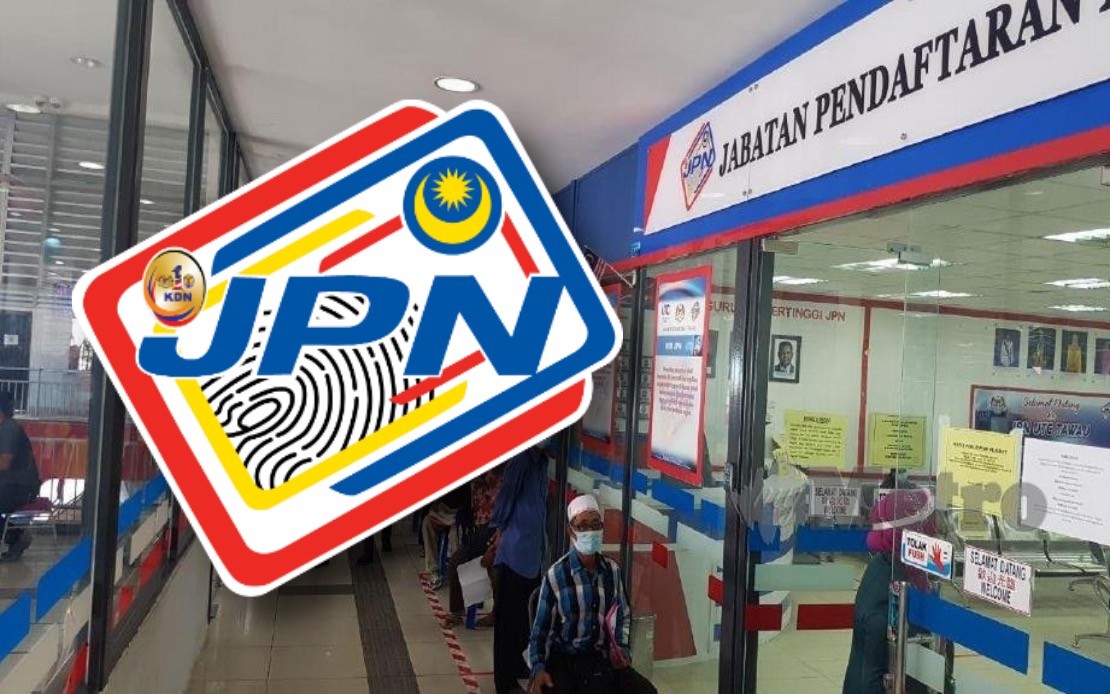
The National Registration Department (JPN) has announced a temporary suspension of MyKad printing services across Malaysia beginning August 26 and extending through August 31, marking a critical juncture in the country's identification infrastructure upgrade. The disruption stems from the department's ongoing migration to an advanced identity card system designed to replace the existing MyKad platform with its next-generation counterpart.
This transition represents a significant modernisation effort for Malaysia's national identification framework, which serves as the foundation for citizens' access to government services, banking, healthcare, and voting rights. The new generation MyKad is expected to incorporate enhanced security features and improved technological capabilities that align with contemporary digital governance standards. The upgrade process, while necessary for strengthening national security and improving service delivery, necessitates a temporary halt in routine card production and processing activities.
Citizens and residents without pressing identification needs have been explicitly encouraged by JPN to defer their MyKad replacement or renewal applications until after the transition period concludes. This advisory is intended to reduce congestion once services resume and to streamline the workflow as the department stabilises operations on the new system. The public agency anticipates that deferring non-urgent requests will facilitate a smoother transition and prevent backlogs during the critical switchover window.
Parents and guardians with children approaching their twelfth birthday—the statutory age for first-time MyKad issuance—have been particularly advised to delay submissions where possible. JPN has indicated that waiting to apply during the new system's operational phase would enable eligible children to receive the modernised MyKad cards directly, rather than obtaining an interim version of the older design that would eventually require replacement. This forward-looking approach aims to reduce redundant administrative processes and minimise citizen inconvenience over the medium term.
The timing of this infrastructure upgrade carries practical implications for Malaysian families and individuals conducting identity-dependent transactions. Those planning international travel, applying for employment, or requiring identity verification for financial services should complete their MyKad business before August 26 or wait until after August 31 to avoid complications. The six-day window, while relatively brief, could impact urgent applications if not properly managed by affected parties.
For the broader Southeast Asian context, Malaysia's systematic upgrade of its national identification system reflects a regional trend toward modernising citizen databases and identity verification mechanisms. Several neighbouring countries have undertaken or are planning comparable transitions to more secure, digitally integrated identification platforms. The JPN's phased approach—maintaining service continuity for critical functions while consolidating infrastructure—demonstrates a methodical implementation strategy that other nations in the region may reference when undertaking similar modernisation initiatives.
The JPN's communication about this disruption underscores the government's commitment to transparency regarding service interruptions, a practice that helps citizens and businesses plan accordingly. By providing advance notice and specific guidance about deferral options, the department has sought to minimise disruption and maintain public confidence in the identity management system during the transition. Clear messaging about expected timelines and alternative courses of action reduces uncertainty and allows individuals to make informed decisions about the timing of their applications.
Once the new generation MyKad system becomes fully operational, citizens can expect enhanced functionality and security protocols in their primary identification documents. The modernised card is anticipated to streamline access to digital government services, improve fraud prevention measures, and facilitate smoother integration with other national databases. These improvements, while requiring temporary inconvenience, are designed to deliver long-term benefits across multiple sectors of Malaysian society.
Businesses and public institutions that rely on MyKad verification should also prepare for the transition period. Banks, government agencies, private employers, and service providers accustomed to processing identity verification requests should adjust their workflows during the blackout window. Some organisations may wish to accelerate identity verification processes for their stakeholders prior to August 26 to avoid disruption to their own operations.
The JPN has expressed appreciation for public patience and cooperation throughout this transition process, acknowledging that infrastructure upgrades of this magnitude necessarily impose temporary inconvenience. The department's apology for any disruption reflects official recognition that MyKad services are critical to citizen interactions with both government and private sector institutions. This acknowledgment of public impact, combined with advance notice and practical guidance, represents a balanced approach to managing necessary systemic change while respecting the needs of affected individuals and organisations.

