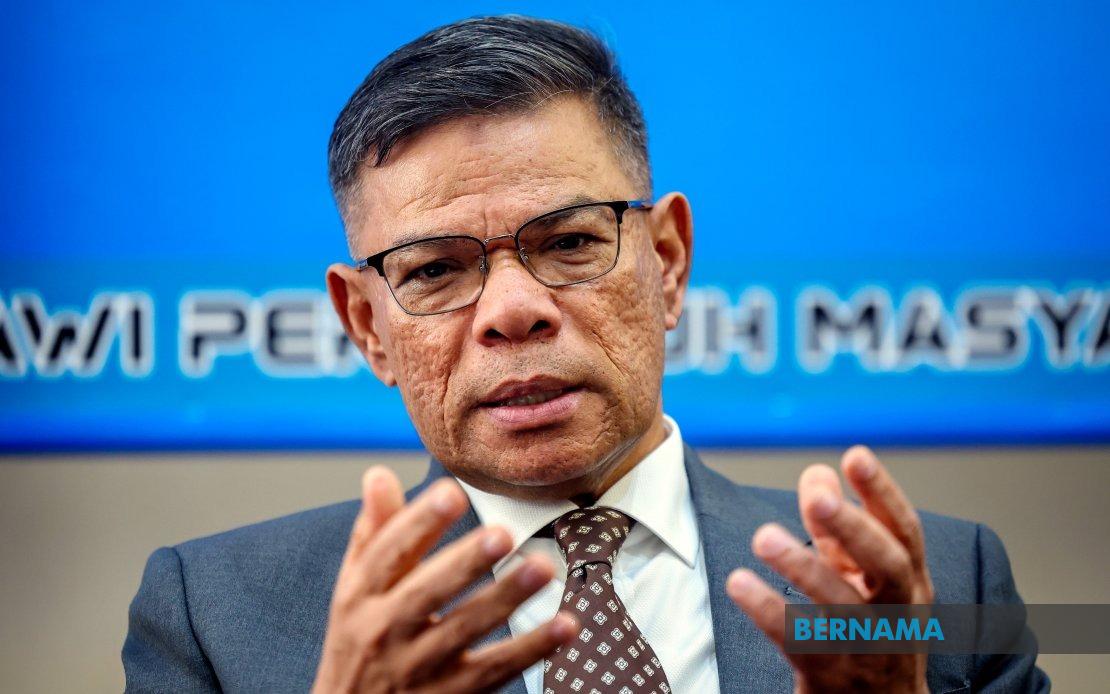
Malaysia's push towards digitalising border control has gained significant traction, with Home Minister Datuk Seri Saifuddin Nasution Ismail announcing that the National Integrated Immigration System (MyNIISe) has facilitated 19.48 million quick response code transactions at the Sultan Iskandar Building and Sultan Abu Bakar Complex in Johor as of late June. The figures underscore a deliberate shift away from traditional manual processing towards automated digital channels, particularly at two of the nation's busiest land entry points serving travellers across the Johor Causeway.
The adoption metrics paint an encouraging picture of public reception. The mobile application has been downloaded 2.4 million times across multiple platforms and boasts 1.27 million registered users, demonstrating broad penetration beyond initial pilot phases. These numbers suggest that travellers and Malaysian citizens are increasingly embracing the convenience offered by QR-based clearance procedures, which eliminate queuing and paperwork delays that have long plagued crossings at both complexes. The transition reflects a growing confidence in digital systems among ordinary Malaysians who previously relied entirely on manual document verification.
The expansion of MyNIISe represents part of a wider government strategy to modernise immigration infrastructure beyond land borders. The Home Minister noted that digital transformation initiatives have extended to five major airports nationwide, where the system has processed more than 5.59 million transactions during the equivalent timeframe. This geographical expansion demonstrates commitment to creating a seamless digital ecosystem across all primary entry and exit points, reducing friction for both leisure and business travellers whilst improving operational efficiency for immigration authorities managing high-volume traffic.
Previous discourse surrounding the Johor Causeway had frequently centred on congestion and long wait times, particularly during peak travel periods when thousands of daily commuters and tourists cross into Singapore. The Home Minister's invocation of these past complaints serves as a strategic benchmark, positioning MyNIISe as a tangible solution rather than merely another government IT initiative. By redirecting frustrated travellers towards digital alternatives, authorities aim to distribute passenger flows across multiple processing channels, thereby alleviating bottlenecks that have historically characterised the crossing.
From a regional perspective, Malaysia's adoption of QR-based immigration processing aligns with broader Southeast Asian trends towards contactless and digital-first service delivery. Countries including Thailand, Vietnam, and Indonesia have similarly invested in modernising their immigration systems to accommodate rising visitor numbers and cross-border commerce. MyNIISe positions Malaysia competitively within this landscape, potentially enhancing its appeal as a regional hub for tourism and business travel by reducing friction in entry procedures.
The MADANI administration has explicitly framed MyNIISe as emblematic of its governance philosophy, emphasising that reform initiatives must translate into measurable service improvements rather than remain rhetorical commitments. The Home Minister's remarks stressed that every policy intervention should deliver tangible benefits directly accessible to ordinary citizens, reflecting a broader shift towards outcomes-focused governance. In this context, the stark transaction numbers and growing user base serve as indicators of whether announced reforms successfully penetrate public consciousness and behaviour.
Accessibility considerations have informed the platform's design architecture. MyNIISe is available across three major app distribution channels—Apple App Store, Google Play Store, and Huawei AppGallery—ensuring compatibility with diverse device ecosystems prevalent among Malaysian users. This multi-platform approach reduces barriers to adoption and demonstrates awareness that significant segments of the population utilise non-iOS devices, particularly prevalent in price-sensitive markets where Huawei and Android alternatives dominate smartphone ownership.
The scaling trajectory evident in the transaction data carries implications for future infrastructure investment and public sector digital literacy initiatives. As reliance on MyNIISe increases, maintaining system stability and capacity becomes critical, as lapses in service availability could severely undermine user confidence and force travellers back towards manual queuing. The Home Minister's reference to improved application stability suggests that earlier versions may have experienced technical difficulties, making ongoing maintenance and infrastructure upgrades essential priorities.
For Malaysian businesses engaged in cross-border commerce with Singapore—particularly in supply chain, logistics, and retail sectors—the reduction in processing times yields material efficiency gains. Smoother border crossings translate into reduced transportation costs, faster delivery times, and improved supply chain predictability. These microeconomic benefits aggregate across thousands of daily commercial transactions, potentially enhancing the competitiveness of Malaysian enterprises operating regionally.
Looking forward, the MyNIISe system's success at land borders and major airports positions it as a foundation for further digital innovation in immigration administration. Future enhancements might encompass biometric integration, pre-clearance functionality, or integration with customs and tax authorities, creating more comprehensive digital border solutions. The current transaction volume and user base provide sufficient critical mass to justify sustained investment in system enhancement and feature expansion.

