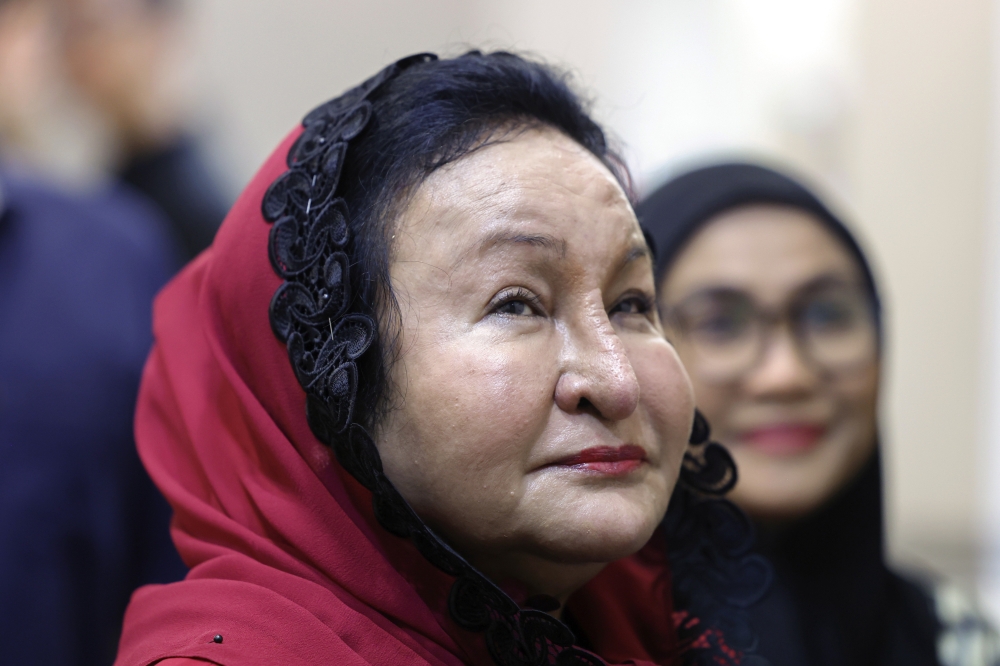
Datuk Seri Najib Razak, Malaysia's former premier, will proceed with a scheduled medical intervention to address plaque accumulation affecting his cardiovascular system, his wife Datin Sri Rosmah Mansor disclosed on July 19. The procedure, aimed at clearing blockages in blood vessels, represents a routine vascular intervention rather than emergency surgery, though medical professionals typically recommend such treatments to prevent potential complications including stroke or heart attack.
Rosmah's statement marking the public acknowledgement of Najib's health matter follows a period during which the former leader has maintained a lower public profile while managing various legal and personal circumstances. The specific details regarding timing, location, and medical institution handling the procedure were not disclosed in her initial announcement, leaving questions about whether the operation would take place domestically or abroad where the family has previously sought specialised medical care.
Arterial plaque removal procedures have become increasingly common among ageing politicians and public figures across Southeast Asia, reflecting broader trends in preventive cardiovascular medicine. These interventions typically involve either angioplasty, where a catheter with a balloon expands the narrowed vessel, or stent placement to maintain blood flow. The exact nature of Najib's required procedure was not specified, though such operations are generally considered minimally invasive compared to traditional surgical alternatives.
The health disclosure comes during a complex period for Najib, who has faced sustained scrutiny related to his administration's financial management and the 1Malaysia Development Berhad (1MDB) scandal, which triggered investigations across multiple jurisdictions and resulted in significant legal consequences for various associates. His recent years have involved navigating legal proceedings while attempting to maintain relevance within Malaysian political circles, particularly as the United Malays National Organisation (UMNO) continues reconsidering his influence on party direction.
Rosmah's role in announcing Najib's medical situation reflects the family's approach to managing public perception during periods of health vulnerability. The former first lady, who has herself faced legal challenges in recent years, has occasionally served as a communications interface for the family during sensitive matters. Her decision to publicly confirm the procedure suggests the family perceives transparency about the operation as preferable to allowing speculation or rumour to circulate among political rivals and media observers.
The procedure's timing may hold political significance for observers tracking Najib's remaining influence within UMNO and broader Malaysian political dynamics. His health status directly affects calculations regarding his potential future roles, including whether he might return to more active party involvement or face limitations on public-facing responsibilities. Several party members and political analysts have noted that Najib's continued high profile, despite his controversies, demonstrates enduring support within certain UMNO factions who view him as a strategist despite the legal cloud surrounding his tenure.
Cardiovascular interventions affecting prominent political figures typically generate heightened public interest in Malaysia, where health crises among senior leaders occasionally trigger succession discussions or power dynamics shifts. Although Najib has ostensibly stepped back from executive responsibilities, his network and influence within government structures remain substantial, making his continued wellbeing a matter of concern for various political constituencies.
The vascular plaque issue itself carries implications for lifestyle and preventive health management, touching on broader healthcare narratives relevant to Malaysia's ageing leadership class. Medical professionals emphasise that arterial blockages develop over extended periods through combinations of genetic predisposition, dietary patterns, stress levels, and age-related physiological changes. The condition's appearance in someone of Najib's age and background underscores the universal nature of cardiovascular risk across socioeconomic categories, though access to advanced interventions remains concentrated among Malaysia's elite.
Moving forward, the success of Najib's procedure and his subsequent recovery trajectory will likely influence assessments of his political viability and capacity for resuming more prominent roles within UMNO's internal structures. Political observers will monitor whether the health situation prompts any strategic repositioning within the party, potentially affecting succession planning or leadership distribution among competing factions seeking dominance within the party's corridors of power.

