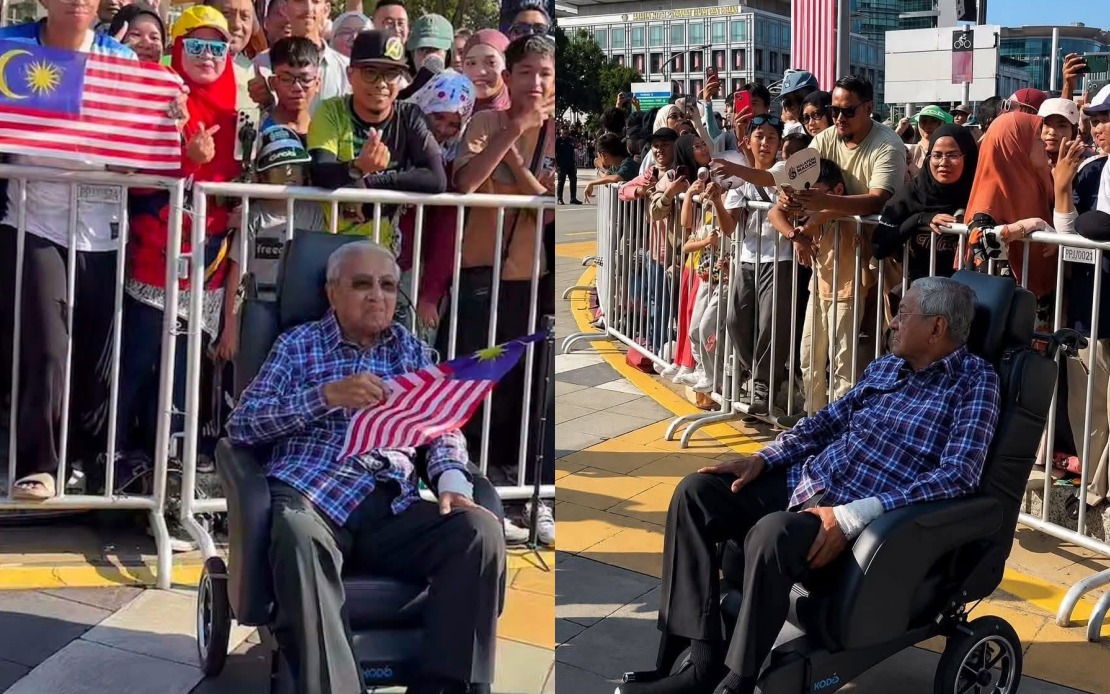
The National Day Celebration 2026 Secretariat has moved to clarify the protocols governing official invitations to Malaysia's most significant national event, emphasising that attendance by former prime ministers is not a matter of entitlement but rather follows a formal application process. The statement came after media and public scrutiny regarding former Prime Minister Tun Dr Mahathir Mohamad's presence at this morning's celebrations at Dataran Putrajaya, signalling broader questions about how Malaysia honours its former heads of government.
According to Datuk Abdul Halim Hamzah, chairman of the 2026 National Day and Malaysia Day Celebration Working Committee and secretary-general of the Communications Ministry, the framework for inviting former premiers has evolved considerably since 2018. Rather than extending automatic courtesy invitations as a matter of historical precedent, the government now operates under a more structured and discretionary system overseen by the Prime Minister's Department's Protocol and International Conference Secretariat Division, known by its acronym BIUPA. This shift represents a significant departure from what many Malaysians might have assumed was customary practice.
The secretariat's statement underscores that while former prime ministers are not barred from attending National Day celebrations, their participation requires an active application process conducted through official channels. This procedural requirement introduces an element of gatekeeping that reflects contemporary governance priorities and protocol management. The distinction between an automatic right and a discretionary privilege carries implications for how Malaysia's political establishment manages state occasions and the ceremonial roles of former leaders in the national narrative.
Additionally, the secretariat revealed that the Prime Minister's Office received a formal application from Dr Mahathir for use of the Overseas Rest Facility, with the former premier indicating his intention to be abroad from August 28 to 31, 2026. Prime Minister Datuk Seri Anwar Ibrahim subsequently approved this request in accordance with the legal framework governing remuneration and privileges for former prime ministers, specifically under the Members of Parliament (Remuneration) Act 1980. This approval demonstrates that even travel arrangements for former premiers remain subject to formal administrative oversight and documentation.
The 2018 benchmark mentioned by the secretariat suggests that Malaysia's approach to ceremonial state events underwent recalibration during the post-transition period following the 14th General Election. This timing is significant because it coincides with Malaysia's broader political realignment and the establishment of new governance conventions under the Pakatan Harapan administration. Subsequent administrations appear to have maintained these protocols, indicating institutional consistency across different political leadership.
The clarification also highlights how Malaysia's government machinery manages the delicate balance between honouring former leaders and maintaining clear hierarchical distinctions between current and past administrations. By formalising the invitation process, authorities ensure that attendance at major state events reflects deliberate decisions rather than automatic traditions. This approach allows flexibility—former premiers can still participate—while establishing clear procedures that prevent misunderstandings or expectations of entitlement.
For Malaysian readers familiar with parliamentary democracy conventions, this development reflects broader international trends toward professionalising government protocol and distinguishing between ceremonial courtesy and substantive political recognition. Many Westminster-derived democracies have similarly evolved their practices regarding how former heads of government are integrated into state occasions, balancing respect for their historical service with contemporary governance needs.
The involvement of BIUPA, the Prime Minister's Department's protocol division, demonstrates that invitations to major federal government events are now centralised under a single administrative authority rather than being left to individual government agencies or ministerial discretion. This centralisation ensures consistency and prevents ad hoc decisions that might create precedent or public controversy. The protocol division effectively serves as a gatekeeper managing all applications from former public figures seeking participation in state-level events.
The practical implications for former prime ministers are considerable. Beyond the National Day celebration, this framework likely extends to other major federal government events where ceremonial protocol applies. Former premiers planning to attend significant national occasions must now navigate an administrative process that includes formal applications, departmental review, and ministerial approval. This procedural layer distinguishes Malaysia's current approach from historical practice when former prime ministers might have been invited as a matter of routine deference.
The public nature of the secretariat's clarification suggests that questions about former premier attendance had generated sufficient public interest and media inquiry to warrant an official explanation. This transparency reflects contemporary expectations that government communications ministries provide clarity on matters of public and political interest. By proactively explaining the procedures, the secretariat also preemptively addressed potential accusations that decisions regarding former leaders' participation were arbitrary or politically motivated.
For Southeast Asian observers, Malaysia's approach offers a case study in how mature democracies manage the integration of former political leaders into ceremonial state functions. The shift from automatic invitation to discretionary application-based attendance reflects governance maturation and the establishment of clear administrative norms. Such institutional clarity benefits all stakeholders by eliminating ambiguity about expectations and decision-making criteria.
Moving forward, the establishment of these formal procedures suggests Malaysia will continue applying consistent standards to invitations extended to former prime ministers and other former senior officials for major national celebrations. The 2026 National Day framework, with its emphasis on documented applications and formal approvals, appears likely to serve as a template for future events. This standardisation contributes to predictable governance while preserving the government's ability to extend recognition to former leaders when circumstances and procedures align appropriately.

