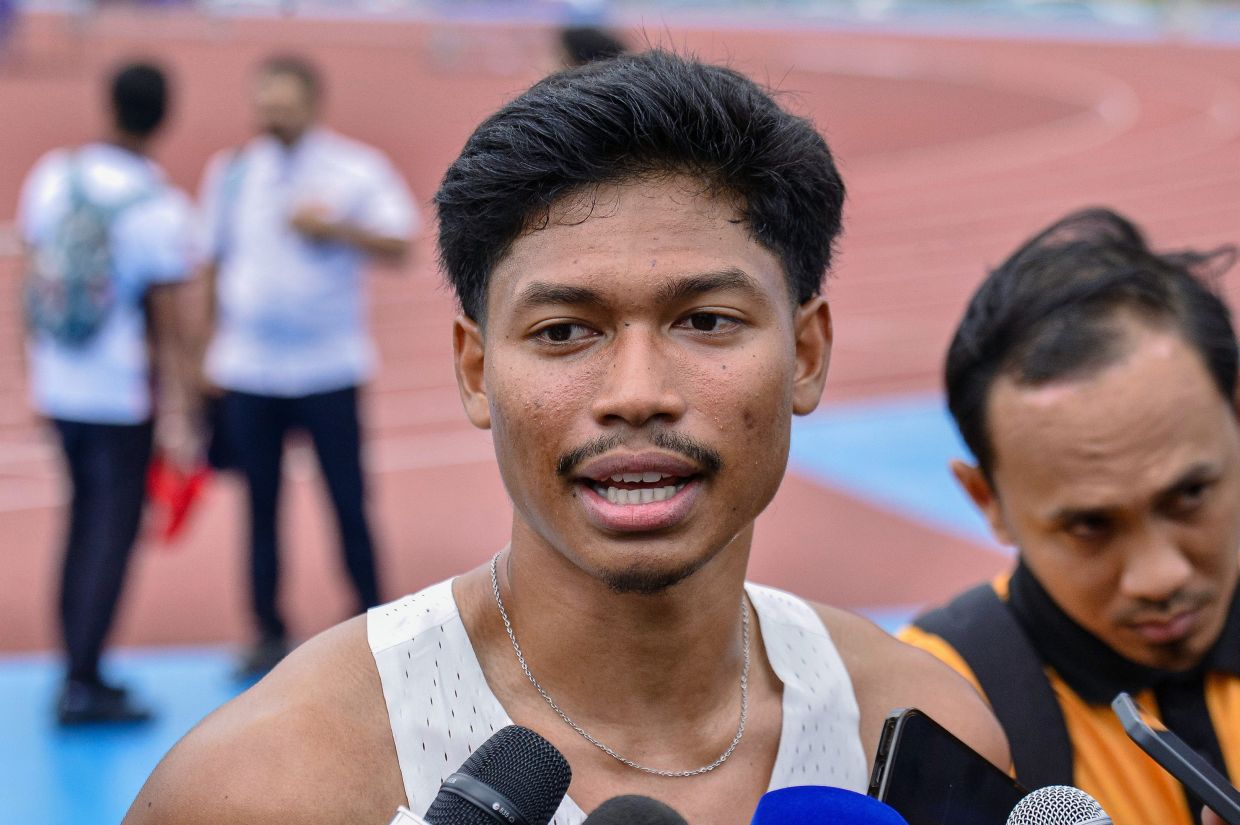
National sprinter Mohd Azeem Fahmi is embarking on the next phase of his academic journey, enrolling for a master's degree programme at Universiti Malaya, Malaysia's premier institution of higher learning. The decision comes shortly after the 21-year-old completed his undergraduate studies at Auburn University in Alabama, where he spent the past two years balancing rigorous coursework with competitive training in track and field.
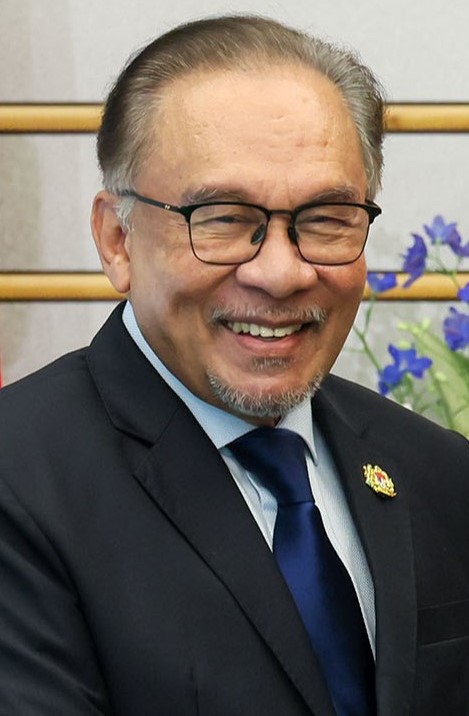
During a formal courtesy visit to UM's administrative offices in Petaling Jaya, Azeem was received by the university's vice-chancellor Prof Datuk Seri Dr Noor Azuan Abu Osman, signalling institutional commitment to supporting the athlete's continued development. The meeting also included the dean of the Faculty of Sports and Exercise Sciences, Associate Prof Dr Zulkarnain Jaafar, and the Sports Centre director Afizal Abu Othman, underscoring the comprehensive support structure that UM intends to provide for his postgraduate pursuits.
The vice-chancellor expressed strong institutional backing for Azeem's academic pathway, pledging that UM would facilitate the optimal environment for him to succeed in his master's programme. This commitment reflects a broader institutional recognition that elite athletes require robust academic frameworks alongside world-class training facilities to flourish both in their sporting endeavours and intellectual development.
UM's reputation as an institution of choice for Malaysia's top athletes is well-established. The university has produced several world-class competitors who have balanced scholarly pursuits with international sporting success. Among its most celebrated alumni are diving luminaries Datuk Pandelela Rinong, Ooi Tze Liang and Bryan Nickson Lomas—athletes whose accomplishments have resonated far beyond Malaysian shores. Former national women's doubles shuttler Vivian Hoo similarly studied at the institution, graduating with a Bachelor of Sports Science degree in 2019, establishing a template for aspiring athletes seeking quality education alongside competitive careers.
Azeem's recent performances demonstrate the calibre of athlete now being nurtured within Malaysia's sports ecosystem. At the Malaysian Open championships held last week at Universiti Putra Malaysia in Serdang, he captured gold medals in both the men's 100 metres individual sprint and the 4x100 metres relay. His relay victory came alongside teammates Danish Iftikhar Mohd Roslee, Pengiran Aidil Auf Hajam and Mohd Armin Zahryl, highlighting his capacity to contribute meaningfully to collective sporting objectives while maintaining individual excellence.
The sprinter's American educational experience has provided significant competitive advantages. When Azeem relocated to the United States in January 2023, he enrolled in exercise physiology and kinesiology programmes at Auburn University whilst simultaneously training under the tutelage of coach Ken Harnden. This dual immersion in both academic sport science and elite athletic preparation has equipped him with sophisticated understanding of human performance physiology that few domestic competitors possess.
His decision to return to Malaysia for postgraduate study reflects evolving dynamics in Malaysian sports development. Rather than remaining in North America for advanced credentials, Azeem's choice to pursue his master's at UM signals confidence in the university's academic standing and recognition that top-tier training facilities and coaching expertise exist within the domestic context. This represents a subtle but meaningful shift in how Malaysian athletes perceive their institutional options—no longer viewing departure as permanent but recognising value in leveraging international exposure before returning to contribute to the home sporting ecosystem.
The combination of exercise physiology background acquired at Auburn with postgraduate specialisation at UM positions Azeem to potentially transition into coaching or sports science roles later in his career. Many elite athletes face uncertain futures beyond their competitive years, yet those with robust academic credentials in sports-related disciplines possess multiple career pathways. Azeem's deliberate strategy of acquiring systematically deepening knowledge in his field suggests he is constructing a sustainable professional identity that extends beyond pure athletic performance.
For UM specifically, recruiting accomplished athletes into postgraduate programmes enhances institutional prestige whilst creating potential for research collaboration. University sports science faculties increasingly seek partnerships with elite performers to validate theoretical models and conduct applied research. Azeem's presence on campus, combined with his competitive profile and academic orientation, creates mutually beneficial opportunities for advancing Malaysia's understanding of elite performance physiology.
The broader context matters significantly for Southeast Asian sports development. Malaysia's investment in athlete education mirrors regional patterns where countries increasingly recognise that sustainable sporting excellence requires developing human capital holistically. Thailand, Indonesia, Vietnam and the Philippines have similarly invested in sports science programmes and athlete scholarship systems. UM's approach in welcoming accomplished athletes into advanced study positions Malaysia competitively within this regional landscape.
Looking forward, Azeem's trajectory merits monitoring as a case study in athlete development. His progression from domestic competitor to international training environment and back to the regional hub at UM encapsulates contemporary patterns in global sport. The question of whether he continues pursuing elite competitive status whilst completing postgraduate studies, or gradually transitions toward sport science or coaching roles, will provide valuable insights into how Malaysian institutions can better support athletes navigating complex transitions between amateur and professional careers.