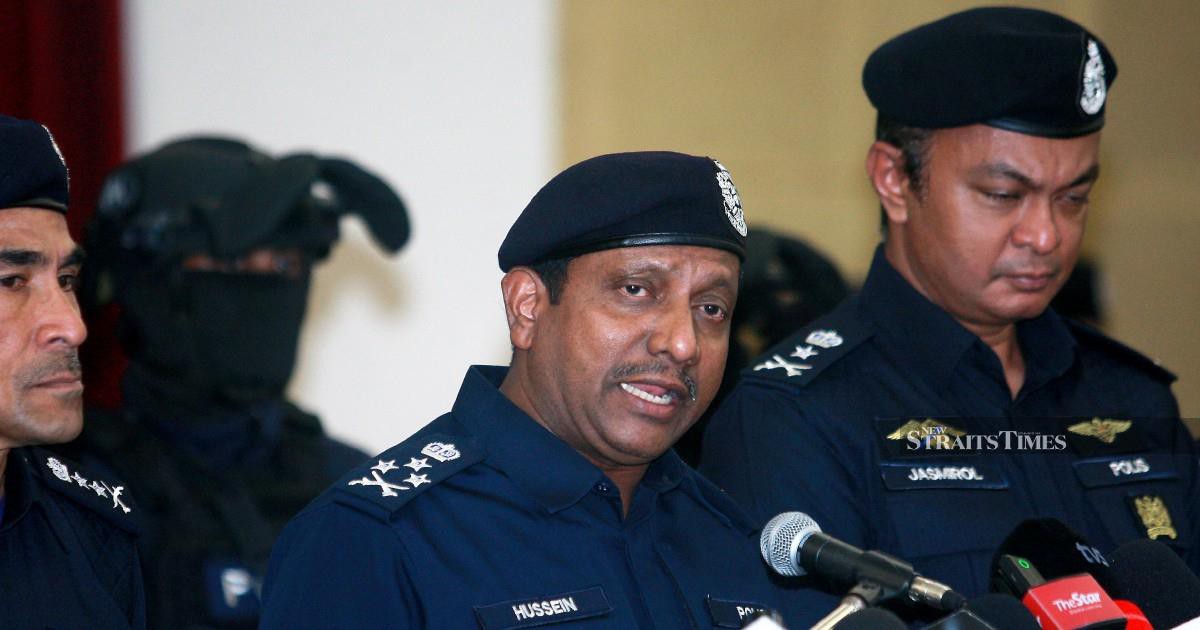
A team of four Federal Narcotics Crime Investigation Department (NCID) officers deployed to Jakarta this morning, securing a crucial 48-hour window to interview a Malaysian pilot held by Indonesian authorities on drug-related charges. The arrival represents an escalation in bilateral law enforcement efforts and reflects coordinated action between Malaysian and Indonesian authorities in tackling transnational narcotics trafficking.
The pilot's detention in the Indonesian capital has drawn attention to the ongoing challenges faced by regional law enforcement agencies in combating cross-border drug smuggling operations. Malaysia's decision to dispatch senior investigative personnel signals the seriousness with which authorities are treating the case, suggesting it may involve significant quantities of controlled substances or wider criminal networks requiring coordinated scrutiny.
Access to the detainee for the designated two-day period provides Malaysian investigators with a critical opportunity to gather firsthand intelligence, establish connections between the pilot's alleged activities and domestic operations, and determine whether accomplices or organisational structures exist within Malaysia. This timeframe is particularly significant in investigations of this nature, as early questioning often yields the most reliable information before suspects can coordinate narratives or legal strategies.
The deployment underscores the strengthening of Malaysia-Indonesia law enforcement partnerships, which have intensified in recent years amid rising concerns about drug trafficking routes through Southeast Asia. Joint operations and information sharing between NCID and counterpart Indonesian agencies have become routine, though direct access to detained suspects remains subject to diplomatic protocols and mutual legal assistance frameworks that require careful navigation.
Malaysian pilots have previously featured in drug trafficking cases, given their access to aircraft, international travel documentation, and ability to cross borders with relative ease. This particular incident may represent part of a broader investigation into organised smuggling networks that exploit aviation professionals, a vulnerabilities repeatedly flagged by the United Nations Office on Drugs and Crime.
The questioning period granted to the Malaysian team suggests Indonesian authorities view cooperation as mutually beneficial, anticipating that intelligence gathered may facilitate investigations into domestic trafficking operations or transnational supply chains. Such arrangements typically involve sharing findings and coordinating prosecutions, strengthening regional law enforcement capacity beyond single-jurisdiction cases.
For Malaysian investigators, the 48-hour window demands efficient interrogation strategy, as questions must balance establishing facts relevant to Malaysian jurisdiction with gathering intelligence about broader networks. The NCID's international experience and prior coordination with Indonesian counterparts likely position them effectively to maximise this access period.
The case also highlights vulnerabilities in aviation security and personnel screening across the region. Professional pilots entrusted with significant responsibility and access to sensitive areas represent attractive recruitment targets for organised crime networks, particularly those requiring logistical expertise for moving contraband across international borders undetected.
From a regional perspective, this deployment reflects a maturation of Southeast Asian law enforcement cooperation. Rather than treating drug trafficking as isolated national problems, authorities increasingly recognise that supply chains and trafficking networks operate across borders, necessitating coordinated responses and intelligence sharing that transcend traditional sovereignty concerns.
The outcome of this interrogation will likely influence ongoing investigations in Malaysia and may provide leads for Indonesian authorities pursuing their own inquiries. Information gathered during the 48-hour period could determine prosecution strategies, identify co-conspirators, or reveal links to larger trafficking organisations operating throughout the region.
Indonesia maintains some of the region's strictest drug laws, with serious trafficking charges potentially carrying decades-long sentences or capital punishment in extreme cases. The involvement of Malaysian authorities suggests the suspect may face charges in both jurisdictions, complicating legal proceedings but ensuring comprehensive prosecution of the alleged offence.
For Malaysia's aviation industry and the broader pilot community, the incident reinforces ongoing concerns about reputational risk and criminal infiltration. Professional aviation organisations have increasingly highlighted the need for enhanced background checks, financial monitoring, and welfare programmes to identify pilots vulnerable to recruitment by criminal networks facing economic pressures or personal difficulties.
The success of this operation will likely shape future Malaysia-Indonesia law enforcement cooperation on narcotics cases, potentially establishing precedents for information sharing and suspect access that facilitate more effective regional responses to transnational drug trafficking.

