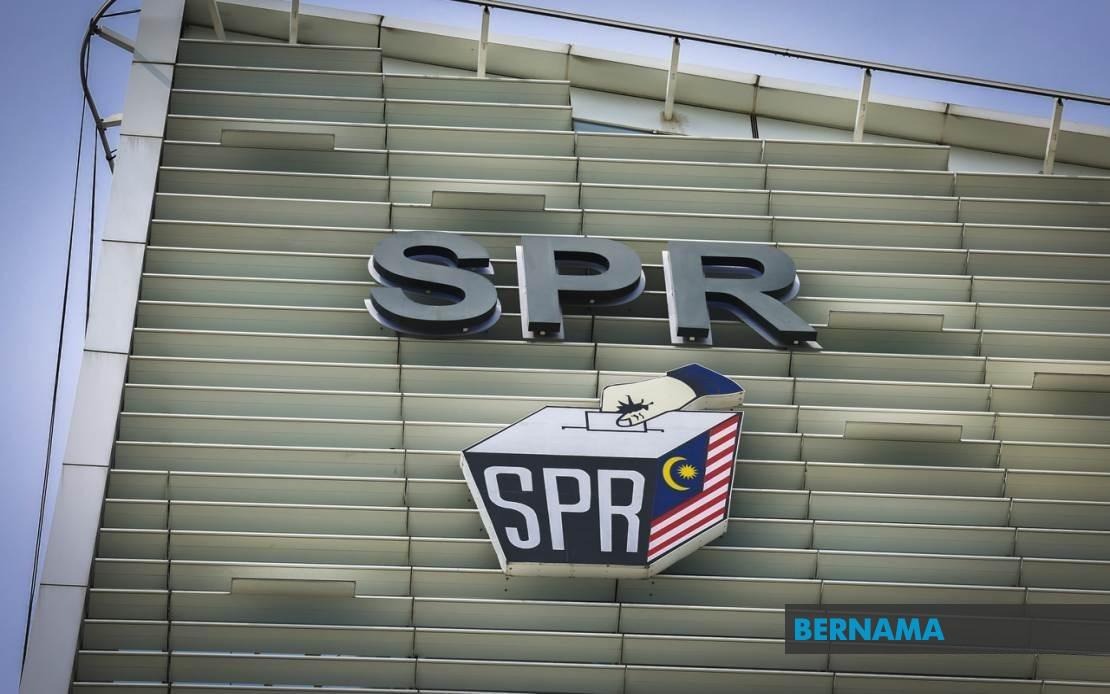
The Election Commission has begun distributing postal ballot papers for the 16th Negeri Sembilan state election, with 13,263 voting documents issued to qualified electors in accordance with established postal voting procedures. The distribution process, overseen by EC secretary Datuk Khairul Shahril Idrus, took place with representatives from all competing parties and independent candidates present to ensure transparency and maintain public confidence in the electoral process.
The postal voting framework encompasses three distinct categories of eligible voters, each subject to different regulatory provisions. Election officials, EC members and personnel, members of the Royal Malaysia Police and Malaysian Armed Forces, and media practitioners constitute the largest contingent, receiving 12,669 ballot papers under Form 1A designation. This group represents a substantial portion of those unable to vote during regular polling hours due to their essential duties on election day.
Two additional voter categories received smaller allocations under different regulatory forms. Malaysian citizens residing abroad qualified for 343 postal ballots distributed under Form 1B, recognising the need to accommodate diaspora participation in domestic elections. Meanwhile, 251 ballot papers were issued under Form 1C to officers from eleven agencies operating in the security and health sectors, acknowledging their critical roles during the election period.
The Election Commission has emphasised strict procedural compliance among postal voters to maintain electoral integrity. Each voter must complete their ballot paper with care and accuracy, simultaneously filling out the accompanying Identity Declaration Form, commonly designated as Form 2. Completion of both documents represents a mandatory requirement, and any omissions or errors could potentially compromise the validity of a voter's participation.
Timing constraints impose considerable pressure on postal voters to ensure their papers reach designated returning officers promptly. All completed postal ballots must arrive at the relevant returning officer's office before the 5 pm deadline on polling day itself, August 1. This compressed timeframe creates a practical challenge for voters, particularly those in remote areas or those overseas, necessitating efficient coordination between voters and electoral authorities.
The Election Commission has mounted a public education campaign addressing voter confidentiality concerns specific to postal voting arrangements. Officials have explicitly cautioned all postal voters against photographing their ballot papers or disseminating such images through social media platforms, warnings that reflect growing concerns about electoral interference and vote manipulation in the digital age. Maintaining ballot secrecy remains fundamental to preserving the democratic principle that votes should reflect individual choice without external pressure or verification demands.
Negeri Sembilan's electoral landscape features substantial scale and complexity, with 889,490 registered voters distributed across the state as of the June 4 electoral roll update. The voting population divides into three segments reflecting different voting arrangements: 867,151 ordinary voters participating on standard polling day, 16,884 military personnel and their spouses engaging in early voting, and 5,455 police personnel also utilising the early voting mechanism. This segmentation requires sophisticated logistical management across multiple voting periods and venues.
The election campaign encompasses 103 candidates contesting the 36 state assembly seats, indicating competitive races across multiple constituencies. Early voting has been scheduled for July 28, providing military and police personnel opportunities to participate before the main polling day, a mechanism designed to accommodate their operational demands. This staggered voting approach recognises the unique circumstances of security personnel who may face deployment or operational requirements during the standard voting period.
The Negeri Sembilan election carries significance within Malaysia's broader political context, occurring as state-level polls that influence the balance of power in one of the nation's constituent states. Electoral procedures and postal voting mechanisms directly impact participation rates among key demographic groups, particularly security forces whose engagement in the democratic process reflects institutional commitment to civilian governance and constitutional frameworks. The careful administration of postal voting processes demonstrates electoral authorities' recognition that inclusive participation strengthens democratic legitimacy.
For Malaysian observers monitoring election administration practices, the Negeri Sembilan process illustrates how established regulatory frameworks govern postal voting across different voter categories. The Elections (Postal Voting) Regulations 2003 provides the legal foundation for these arrangements, a regulatory regime refined through multiple election cycles to balance accessibility with security concerns. Examination of how these procedures operate in practice offers insights into electoral administration challenges that other jurisdictions and future election cycles may encounter as postal voting provisions potentially expand.

