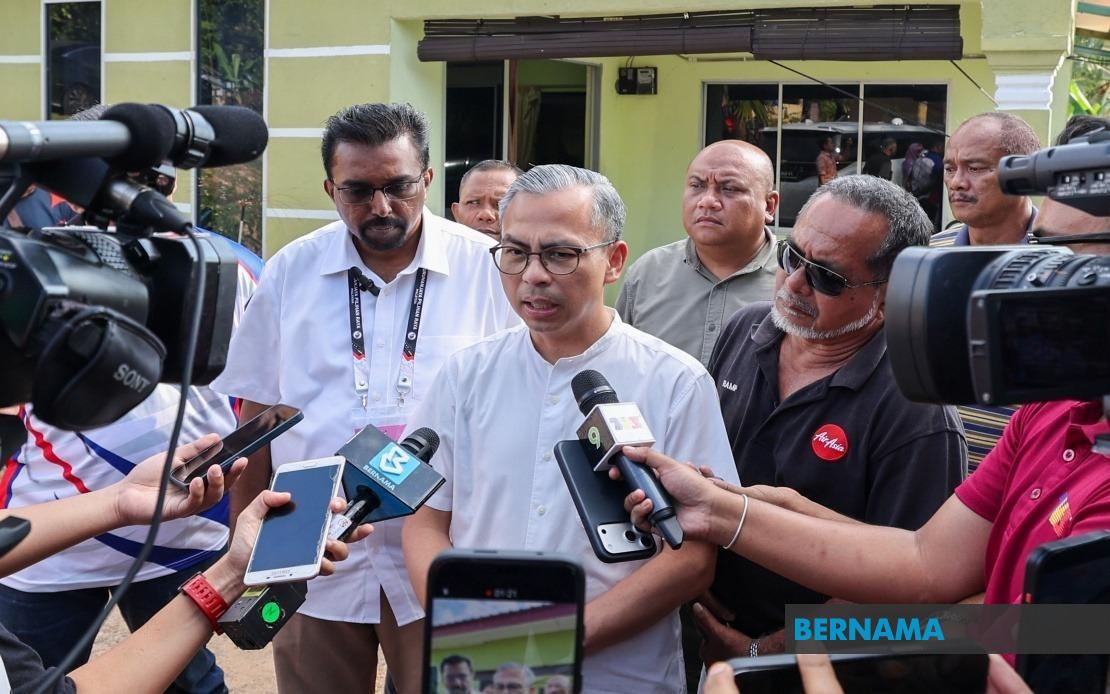
The Negeri Sembilan state election campaign has largely remained free from significant social media disruptions, according to Communications Minister Datuk Seri Fahmi Fadzil, who reported that only 16 complaints have been lodged with the Malaysian Communications and Multimedia Commission since campaigning commenced. Speaking during a visit to Felda Palong 1 in Jempol on July 23, Fahmi painted an optimistic picture of digital discipline among campaigners and the online community, suggesting that regulatory oversight and platform responsibility mechanisms are functioning effectively during this crucial political exercise.
The composition of complaints received by the MCMC reveals the nature of challenges faced during the campaign period. Of the 16 grievances filed, the vast majority—14 complaints—centred on technical problems with telecommunications networks rather than electoral misconduct or misinformation. Only two complaints involved fraudulent social media accounts, indicating that organised attempts to manipulate the digital landscape through fake profiles have remained sporadic. This breakdown suggests that while infrastructure deficiencies persist across parts of Negeri Sembilan, deliberate efforts to pollute the information environment through bogus accounts have been contained.
However, the minister struck a cautious tone regarding the weeks ahead, acknowledging that election campaigns typically experience exponential surges in online activity during their closing stages. The period spanning 72 to 96 hours before polling day—set for August 1, with early voting commencing July 28—historically witnesses intensified digital engagement from political parties, supporters, and third parties. Fahmi expressed concern that this final push could potentially unleash a wave of unverified claims and false narratives unless stakeholders exercise restraint and adhere to electoral guidelines. His warning reflects broader concerns across Southeast Asia about the vulnerability of election cycles to digital manipulation and the speed at which misinformation can circulate unchecked.
Responding to complaints and enforcing electoral standards on social media platforms requires coordination between multiple actors. Fahmi encouraged citizens to report problematic content directly to the social media companies hosting them, leveraging the platforms' own community guidelines and fact-checking mechanisms. Should platform operators fail to respond appropriately, the public can escalate matters to the MCMC, which possesses regulatory authority to investigate and take action. This tiered approach distributes responsibility across the ecosystem while recognising that private platforms often respond more swiftly to direct user reports than to government intervention alone.
Beyond election-specific concerns, the Communications Minister identified a more fundamental infrastructure challenge affecting the Felda Palong 1 area: inadequate internet connectivity along main access roads leading to the settlement. Despite residential areas within Felda schemes possessing reasonable coverage, the connecting routes suffered from significant gaps. Such deficiencies carry implications beyond communication convenience, as poor connectivity impedes emergency services' ability to respond effectively and restricts economic opportunities for residents. The situation underscores how uneven digital infrastructure development can create pockets of disadvantage even within relatively developed regions of Malaysia.
The root cause of these connectivity gaps reflects broader structural challenges in Malaysia's telecommunications sector. Although major providers signed a memorandum of understanding on network sharing during the previous year, implementation has progressed sluggishly, particularly in addressing coverage dead zones within populated areas. The MoU framework was intended to accelerate infrastructure expansion by enabling companies to share tower resources and costs, yet tangible improvements have failed to materialise at the pace originally envisioned. This lag between policy agreement and ground-level change remains a persistent frustration for both residents and policymakers attempting to bridge Malaysia's digital divide.
To expedite remedial action, Fahmi outlined several strategies available to telecommunications operators. Constructing new cell towers remains the most reliable but capital-intensive solution, requiring substantial investment and lengthy approval processes. Optimising existing infrastructure—through equipment upgrades, antenna repositioning, and software enhancements—offers faster returns at lower costs, though gains remain incremental. Satellite-based internet services such as Starlink represent an interim solution, potentially providing coverage in challenging terrain or during temporary gaps while ground infrastructure develops. The diversity of approaches suggests that no single technology can universally solve Malaysia's connectivity challenges; instead, tailored combinations suited to specific geographic and demographic contexts prove most effective.
Fahmi also highlighted improvements to customer service mechanisms within telecommunications firms, notably through adoption of artificial intelligence systems enabling users to track complaint status in real time. Many Malaysians experience frustration when reporting network problems, receiving little transparency about investigation timelines or resolution prospects. AI-powered tracking systems can mitigate this opaqueness, allowing consumers to monitor progress and escalate matters if necessary. Such transparency mechanisms strengthen accountability while reducing repeat complaints about identical issues.
The election campaign itself serves as a microcosm of Malaysia's broader digital governance challenges. Elections concentrate public attention on particular regions and timelines, creating manageable scenarios for testing regulatory responses and identifying systemic weaknesses. The relative success in moderating social media activity during the Negeri Sembilan campaign—reflected in the modest complaint figures—suggests that awareness campaigns, platform cooperation, and citizen vigilance can collectively constrain misinformation. Yet the acknowledged vulnerability during campaign finales indicates that complacency remains dangerous, and that heightened monitoring becomes essential during the critical final days before voting.
Looking beyond this particular state election, the patterns emerging from Negeri Sembilan carry implications for future electoral cycles nationwide. Successful moderation of digital disruption depends on sustained investment in telecommunications infrastructure, clear regulatory frameworks that balance platform freedoms with electoral integrity, and public understanding of how to report and challenge problematic content. Malaysia's experience offers lessons for other Southeast Asian democracies grappling with similar challenges of rapid digital adoption, uneven infrastructure development, and the intersection of technology with electoral processes. As the campaign enters its final phase, authorities and citizens alike remain alert to ensure that Negeri Sembilan's relatively orderly digital environment persists through polling day.

