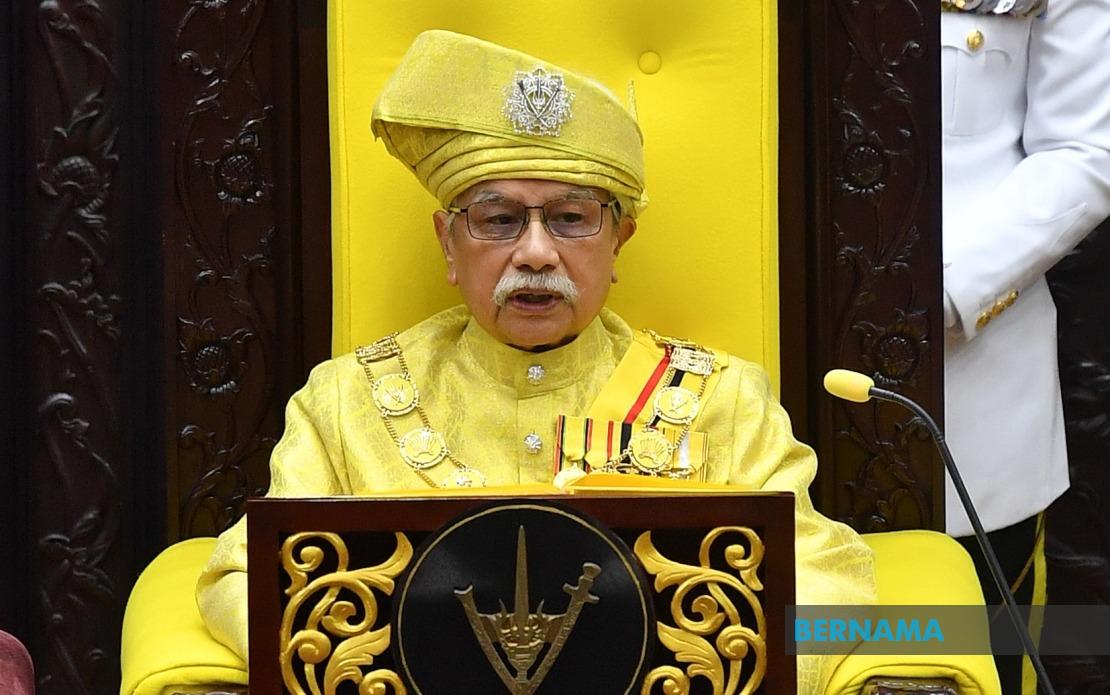
The Yang Dipertuan Besar of Negeri Sembilan, Tuanku Muhriz Tuanku Munawir, has granted his consent for a royal audience ceremony this Saturday at Istana Besar Seri Menanti to formalise the installation of Hassan Ab Hamid as the 22nd Undang of Luak Rembau. The announcement came during a gathering of community leaders in Kuala Pilah, where Tunku Besar Seri Menanti Tunku Ali Redhauddin Tuanku Muhriz conveyed the royal approval on behalf of his father. The formal ceremony, known as Istiadat Menghadap Menjunjung Duli Bagi Menyempurnakan Kejadian Undang Luak Rembau, marks the culmination of a customary selection process that has been conducted in accordance with Rembau's established traditions and protocols.
Hassan Ab Hamid, aged 67, was chosen through the Kerapatan Buapak Delapan ceremony overseen by the Biduanda Nan Dua Carak customary clan, with final confirmation coming from the Datuk-Datuk Adat of Rembau. Datuk Juan Datuk Zulkipli Shamsudin, chairman of the selection ceremony, emphasised that the appointment followed all prescribed adat procedures that have governed Negeri Sembilan's governance structures for centuries. The selection represents a continuation of institutional stability within Rembau's administrative hierarchy, which has functioned under the distinctive Adat Perpatih system that distinguishes Negeri Sembilan from other Malaysian states.
A critical aspect highlighted by Zulkipli concerns the constitutional and customary distinction between the Undang's selection and the ruler's role. Under the Adat Perpatih framework unique to Negeri Sembilan, the Yang Dipertuan Besar does not unilaterally appoint or choose the Undang. Rather, the selection emerges organically from community processes within the luak itself, with the ruler's function limited to receiving delegations and, when tradition dictates, formally recognising decisions already made by the community. This fundamental principle has been misunderstood in some quarters, according to Zulkipli, who stressed that the ruler's consent represents acknowledgment rather than conferral of authority.
The Adat Perpatih system represents one of Malaysia's most distinctive governance arrangements, preserved constitutionally in Negeri Sembilan's state constitution. Unlike the more hierarchical systems found elsewhere in the country, this customary framework vests significant decision-making authority at the community level, with the Undang serving as a steward of local interests and traditions. The system reflects historical settlement patterns and clan-based administrative divisions that predate British colonial administration in the Malay Peninsula. Understanding this framework is essential for comprehending how Negeri Sembilan's leadership succession functions and why the selection of a new Undang involves multiple stages rather than simple royal appointment.
The vacancy arose following the death of Datuk Lela Maharaja Datuk Muhamad Sharip Othman, the previous Undang of Rembau, who passed away on May 15, 2024, at the age of 83. His passing concluded a long tenure within one of Negeri Sembilan's most significant luak divisions. The protracted interval between his death and the formalisation of his successor reflects the deliberate pace at which customary processes operate, prioritising thorough consultation and consensus-building over rapid administrative transitions. This measured approach, while sometimes requiring patience, ensures broad acceptance of new leadership within the community.
For Malaysian readers, the significance of this ceremony extends beyond mere procedural formality. The continued vitality of Negeri Sembilan's adat system demonstrates the persistence of pre-colonial governance structures within the Malaysian federation and the constitutional protections afforded to these traditions. In an era of rapid modernisation and centralised administration, the Adat Perpatih represents a living example of decentralised, community-based decision-making that retains legitimacy and binding force. The formal recognition of Hassan Ab Hamid through Saturday's royal audience affirms this system's enduring relevance and the state's commitment to preserving institutional continuity.
The role of the Orang Empat Istana, referenced in Tunku Ali Redhauddin's statement, will oversee logistical arrangements for the ceremony, ensuring compliance with all customary protocols and palatial procedures. This institutional coordination between palace administration and adat leadership demonstrates the sophisticated interplay between state structures and traditional governance that characterises Negeri Sembilan's unique political culture. The ceremony itself will serve as a public reaffirmation of these complementary relationships and the shared commitment to preserving established customs.
From a Southeast Asian perspective, Negeri Sembilan's continued adherence to pre-colonial customary governance structures offers interesting comparative insights into how different nations within the region have negotiated the relationship between modernisation and traditional authority. While some Southeast Asian states have systematically eroded customary institutions, Malaysia has constitutionally protected such arrangements, allowing states like Negeri Sembilan to maintain distinctive governance models. This approach has permitted the coexistence of contemporary administrative structures with traditional systems, creating a pluralistic governance landscape that reflects Malaysia's diverse historical and cultural inheritance.
The selection and formalisation of new Undangs carries implications for land rights, dispute resolution, and cultural preservation within Rembau. The Undang traditionally serves as custodian of customary land tenure arrangements, adjudicator in disputes involving adat law, and principal advocate for luak interests within state governance structures. Hassan Ab Hamid's appointment therefore represents continuity in these crucial functions, ensuring that Rembau's distinctive institutional arrangements and community interests maintain effective representation. The community's confidence in the selection process, as demonstrated through the adat procedure, should provide a solid foundation for his tenure.
Tunku Ali Redhauddin's statement expressing hopes for smooth implementation reflects the palatial administration's constructive stance toward customary processes. Rather than viewing adat governance as competing with state authority, this framing treats the Undang's installation as a complementary institutional development that strengthens overall governance in Negeri Sembilan. The explicit acknowledgment that community selection processes operate independently of royal discretion, while the ruler's role involves recognition rather than appointment, clarifies the constitutional and customary boundaries that structure this relationship. Such clarity proves essential for maintaining public confidence in both traditional and state institutions.
Looking forward, Saturday's ceremony will provide an opportunity for formal public acknowledgment of Hassan Ab Hamid's leadership and the continuity it represents. The event will likely draw participants from across Rembau's adat leadership structure, representatives from other luaks within Negeri Sembilan, and officials from state government. The ceremony's execution will reflect the sophistication with which Negeri Sembilan has maintained its distinctive institutional arrangements while functioning as a modern Malaysian state. For observers interested in understanding how Malaysia navigates the preservation of traditional governance alongside contemporary administration, the Rembau Undang installation offers a compelling case study in institutional durability and adaptive continuity.

