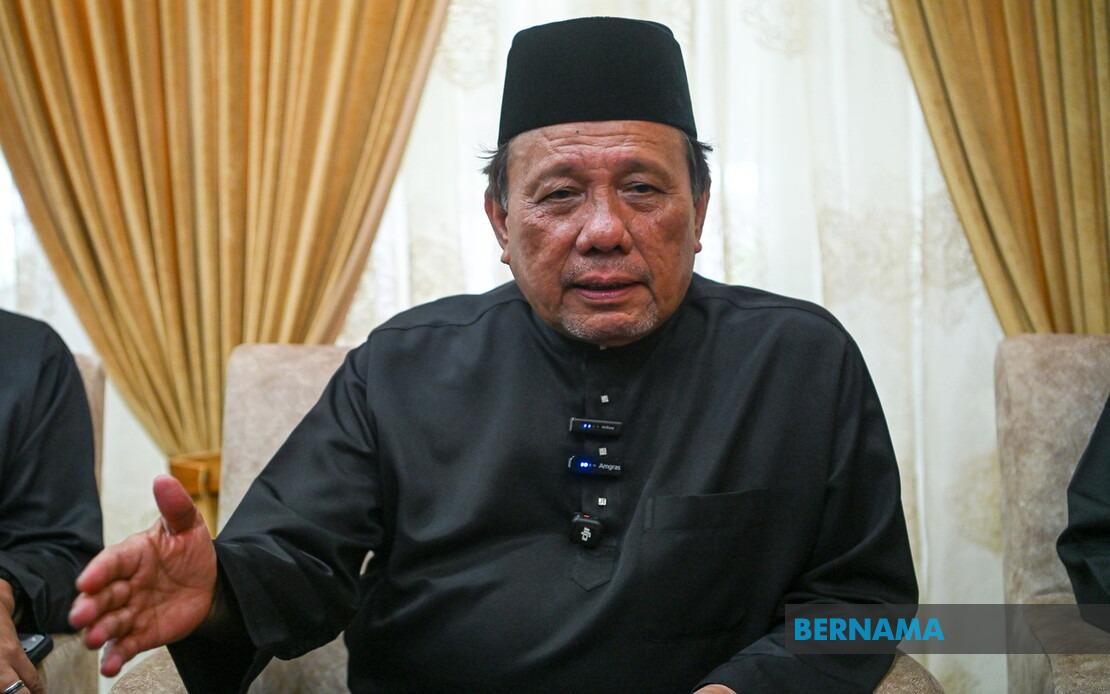
Negeri Sembilan Menteri Besar Datuk Ismail Lasim has taken over leadership of Negeri Sembilan Football Club (NSFC) in his new capacity as chairman, effective immediately. The appointment comes following the departure of previous chairman Datuk Seri Aminuddin Harun. The transition represents a significant shift in the administration of one of Malaysia's state-level football institutions, bringing a senior political figure into direct oversight of the club's operations and future direction.
The appointment announcement was made by Negeri Sembilan Football Association (PBNS) president Tunku Besar Tampin Tunku Syed Razman Tunku Syed Idrus Al-Qadri, who expressed confidence in Ismail's ability to steer the organisation towards sustainable development. According to the PBNS president, Ismail's appointment recognises his longstanding relationship with Negeri Sembilan football and his deep familiarity with the sport's culture within the state.
Ismail brings substantial football administration experience to his new role. During the 1990s and early 2000s, he served as manager of the Negeri Sembilan state team, a position that provided him with detailed understanding of player development, team operations, and the unique challenges facing the state's football ecosystem. Beyond his managerial background, Ismail previously held the position of PBNS vice-president in 2010, demonstrating his involvement in broader football governance structures across the state level.
The PBNS president emphasised that Ismail's appointment reflects deliberate strategic thinking about leadership continuity. By appointing someone with insider knowledge of Negeri Sembilan football rather than an external figure, the association aims to maintain institutional memory and preserve the values that have characterised the state's football identity. This approach contrasts with situations where clubs undergo transformative leadership changes that might require extended periods of adjustment and realignment with established traditions.
Looking forward, Tunku Syed Razman outlined an ambitious agenda for NSFC under Ismail's stewardship. The club intends to consolidate its position as a professionally managed, financially sustainable, and competitively viable institution. Central to this vision is comprehensive player development, with structured pathways for young talent to progress through the system and reach competitive standards. The club also plans to strengthen its organisational infrastructure, ensuring that administrative and operational systems support both on-field performance and organisational resilience.
Commercial development constitutes another pillar of the club's strategic priorities. As Malaysian football clubs increasingly need to generate revenue from multiple sources rather than relying exclusively on state government funding or sponsorship, NSFC will need to explore commercial opportunities including merchandising, hospitality, broadcasting partnerships, and corporate partnerships. Ismail's political position and connections may facilitate negotiations with potential commercial partners and government agencies.
The community engagement dimension reflects broader trends in Malaysian football, where clubs increasingly recognise their roles as social institutions serving not merely competitive functions but also cultural and community cohesion purposes. NSFC's intention to strengthen relations with supporters and broader community stakeholders positions the club as a social asset beyond its sporting mission, potentially enhancing its legitimacy and financial stability through deepened community connection.
Ismail's appointment carries implications for how state government resources and attention might flow to NSFC. As Menteri Besar, his direct involvement in the club's governance could potentially improve access to government facilities, administrative support, and policy coordination. Conversely, this arrangement raises questions about governance separation and whether political leadership of sports organisations creates conflicts of interest or diverts public resources inappropriately. Malaysian sports governance has historically benefited from some government involvement, though best practices increasingly favour independent professional management alongside public support.
The timing of this leadership transition occurs within a broader context of Malaysian football's structural challenges. The domestic league has struggled with sustainability issues, including inconsistent attendance, commercial viability pressures, and infrastructure limitations. State-level clubs like NSFC occupy a particular niche, serving as development pathways for young players while also requiring financial viability that state budgets alone cannot always sustain. Ismail's leadership will be tested against these systemic challenges.
Within the Southeast Asian football landscape, Malaysian clubs compete for regional attention and investment alongside better-resourced Thai, Vietnamese, and Indonesian counterparts. NSFC's development trajectory under Ismail's leadership will indicate whether a combination of experienced football administration, political support, and structured management can help Malaysian state clubs achieve the professional standards increasingly expected in regional competition.
The broader footballing community in Negeri Sembilan appears receptive to this appointment, with Ismail's previous involvement in the sport ensuring that his leadership is not perceived as entirely external or politically opportunistic. However, success will ultimately depend on whether Ismail can translate his historical experience and political position into tangible improvements in player development outcomes, competitive performance, financial stability, and community engagement. His experience straddling both football administration and state government will be decisive in navigating the complex operational environment that modern football clubs require.

