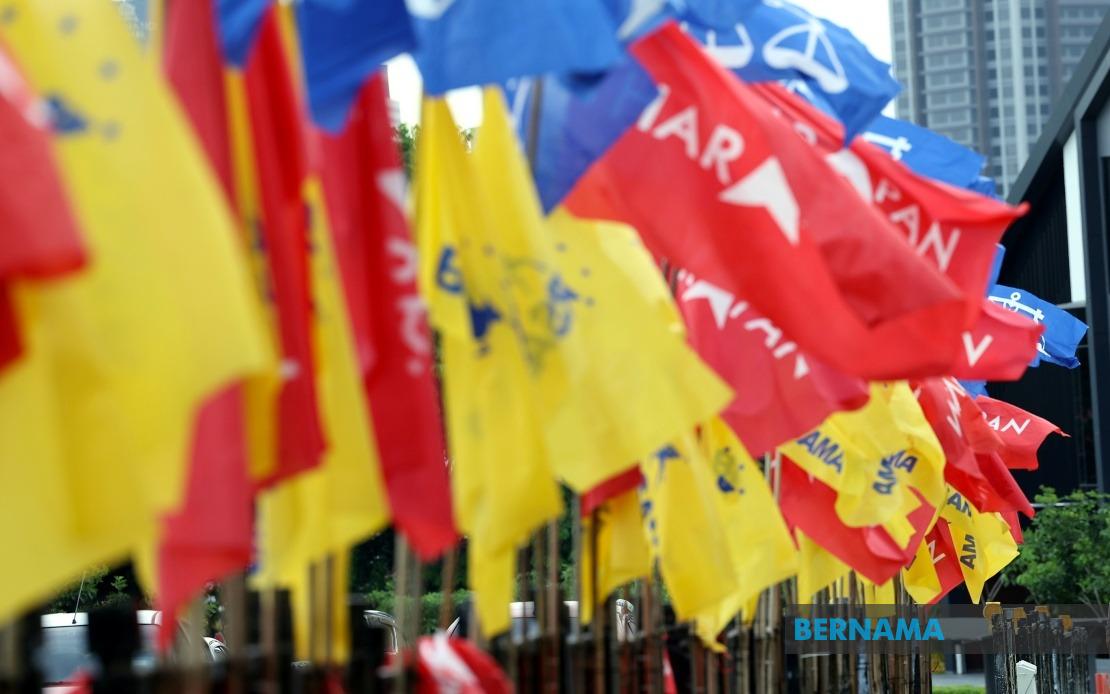
The Negeri Sembilan police force has given the green light to 19 permit applications for political ceramah and campaign activities as the state heads toward its 16th legislative assembly election. Datuk Alzafny Ahmad, the police chief overseeing the state, confirmed that all applications met the necessary regulatory requirements before approval. The decision reflects a careful balance between facilitating democratic participation and maintaining public safety during an election period that will conclude on August 1.
Dating back to June 5 when the 36-seat Negeri Sembilan State Legislative Assembly was dissolved, the state has been building toward this electoral moment. The Election Commission set July 28 for early voting, giving voters an additional option before the official polling date. The police approval of campaign permits represents the operational machinery now firmly in motion, with political parties preparing to reach constituents through traditional avenues like ceramah—a cornerstone of Malaysian political engagement.
Alzafny's statement underscores a commitment to vigilant oversight during the campaign period. Police intend to monitor each approved programme to ensure compliance with electoral laws and to safeguard community safety and tranquility. This supervisory approach is standard practice during elections in Malaysia, where authorities seek to prevent disruptions while respecting parties' rights to campaign openly. The police chief's emphasis on monitoring suggests that while permits were granted liberally, enforcement machinery remains activated.
The security environment across Negeri Sembilan has remained stable throughout the lead-up to election day. According to the police chief, the overall situation remains sound and manageable. Significantly, only a single police report has been filed relating to election-related matters, and no investigation papers concerning election offences have yet been opened. This low incident rate suggests that political actors have largely adhered to expected conduct standards, or alternatively, that tensions have not escalated into formal complaints.
The enforcement posture reflects a zero-tolerance approach to violations, with Alzafny pledging that any breaches will be addressed with firmness, impartiality, and professional integrity. This messaging serves multiple audiences: it reassures voters that law and order will be maintained, signals to campaign organisers that rules will be enforced consistently, and demonstrates to the broader public that election management is under control. The framing of enforcement as both stern and equitable attempts to preempt accusations of partisan policing.
For Malaysian electoral politics more broadly, the Negeri Sembilan election carries significance beyond the state itself. As a competitive battleground with 36 seats, the results will signal voter sentiment that could reverberate across other state contests and influence national political calculations. The police management of the campaign period—through permit issuance, monitoring, and enforcement—sets operational precedents that other states will observe. How smoothly Negeri Sembilan conducts its election could inform approaches elsewhere.
The public call for cooperation with police personnel on the ground reflects recognition that elections depend on collective responsibility. Voters, candidates, party workers, and security forces all contribute to whether an election proceeds peacefully and fairly. By framing the request as a democratic imperative rather than merely a law enforcement directive, authorities appeal to citizens' investment in institutional legitimacy. This rhetorical move acknowledges that elections are community events, not simply government operations.
The approval of 19 ceramah and campaign permits indicates active political engagement across Negeri Sembilan. Ceramah remain vital in Malaysian politics for candidate visibility and direct voter interaction, particularly in states where mass media campaigns may be less dominant. The number of permits approved suggests multiple parties are mobilising resources and planning intensive ground campaigns. This level of activity typically indicates competitive races where parties believe they can influence outcomes through direct engagement.
Police preparedness enhancements mentioned by Alzafny reflect lessons learned from previous elections and the ongoing calibration of security deployments. Enhanced monitoring and enforcement during elections require coordination across personnel, communication protocols, and resource allocation. The statement implies that police have assessed potential flash points, traffic management challenges, and public order risks specific to Negeri Sembilan's geography and demographics. This operational readiness underpins the confidence expressed in security management.
The brief window between now and August 1 will test both political discipline among campaigns and the police's capacity to manage multiple simultaneous events. With 19 approved ceramah and potentially more applications pending, the state could experience a saturated campaign landscape in which voter exposure to political messaging becomes nearly inescapable. This intensity, while reflecting democratic vitality, also requires careful orchestration to prevent overlap, congestion, or confrontations between supporters of different candidates.
For voters in Negeri Sembilan, the police assurances about orderly elections provide a baseline expectation: they can participate without fear of disruption or coercion. The emphasis on compliance with law and respect for democratic process frames voting as a civic duty undergirded by institutional guardrails. As August 1 approaches, the interplay between police enforcement, political conduct, and voter response will shape whether Negeri Sembilan's 16th state election becomes a model of orderly democratic practice or exposes systemic vulnerabilities that demand future attention.

