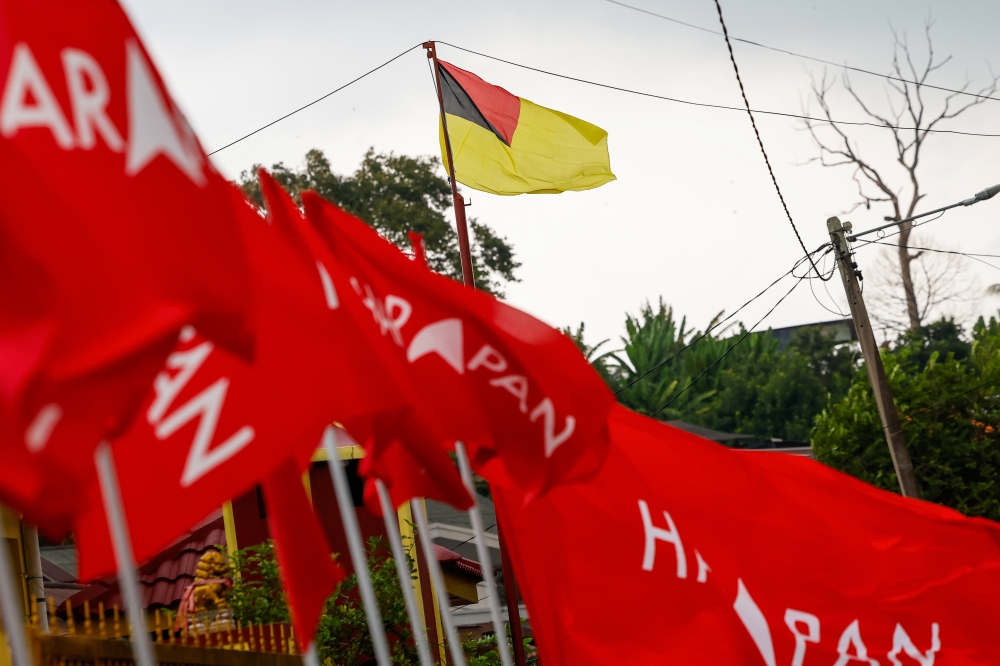
The Royal Malaysia Police's Negeri Sembilan contingent has initiated formal investigations into two separate incidents involving property destruction tied to election activities, marking the latest in a pattern of post-election disturbances across the state. The police move reflects mounting concern over unruly conduct during the electoral period, a phenomenon that has periodically surfaced during Malaysia's campaign seasons and now draws regulatory attention from law enforcement agencies tasked with maintaining public order.
Authorities have yet to publicly disclose the specific locations where the incidents occurred or the precise nature of the property damage reported. The lack of immediate detail suggests the investigation remains in early stages, with police still gathering evidence and conducting interviews with potential witnesses who may have observed the destructive behaviour. Such measured transparency is typical in Malaysian police procedure, particularly when cases remain active and authorities wish to avoid compromising investigative efforts through premature disclosure.
Election-related misconduct encompassing property damage has proven problematic during previous electoral campaigns across Malaysia. Vandalism of campaign materials, destruction of political signage, and similar acts have occasionally escalated tensions between rival political camps. The Negeri Sembilan incidents, whatever their specific characteristics, underscore how electoral contests can occasionally trigger expressions of frustration that cross into illegal territory, challenging the state's capacity to maintain civil order during politically charged periods.
The opening of two separate investigation papers indicates that the incidents may involve distinct circumstances or different locations, requiring investigators to pursue parallel lines of inquiry. This approach enables police to maintain organisational clarity while working through different aspects of the broader pattern of election-related disruption. Each investigation can proceed according to its particular evidence base while contributing to a comprehensive understanding of broader misbehaviour during the electoral cycle.
For Malaysian voters and political observers, the police action signals that authorities are committed to enforcing laws protecting property and public order, regardless of the political context in which violations occur. This message carries particular significance in a democracy where electoral contests occasionally generate heated exchanges and where maintaining the rule of law remains essential to public confidence in the system. Both established and emerging political parties have vested interests in ensuring that campaigns remain competitive without deteriorating into lawlessness.
The incidents also reflect broader discussions within Malaysia about civility during political campaigns. Civil society organisations, political parties, and government bodies have periodically advocated for higher standards of conduct during elections, seeking to preserve the democratic process while minimising the collateral damage that can affect innocent property owners caught in electoral fallout. Police investigations that result in prosecutions and consequences for wrongdoing reinforce these cultural expectations.
Negeri Sembilan, as a state with a diverse political landscape and a tradition of closely contested elections, has experienced its share of electoral intensity. The two investigation papers suggest that the state's police command has made property damage allegations a priority, recognising that unaddressed misconduct could establish precedents for future misbehaviour. Taking formal action through investigation papers ensures that incidents are documented systematically and that appropriate legal channels can be pursued should evidence support charges against identified suspects.
The police approach also has implications for other Malaysian states watching how Negeri Sembilan handles electoral misconduct. If investigations result in prosecutions and meaningful consequences, the outcome may influence how other state police contingents address similar behaviour, potentially establishing more consistent standards for holding people accountable across different jurisdictions. Conversely, if investigations stall or charges fail to materialise, the experience may indicate that political election-related property damage remains difficult to prosecute successfully.
For residents and business owners in affected areas, the police investigations may provide some reassurance that their concerns are being taken seriously by authorities. However, they will likely seek not merely investigations but visible accountability and consequences for wrongdoing, measures that tend to generate public confidence in both law enforcement capacity and the rule of law itself. The progression from investigation papers to actual prosecutions and court outcomes will ultimately determine whether the police response translates into meaningful deterrence against future misconduct.
The timing of the announcement, coming as Malaysian politics continues to navigate various electoral cycles at federal, state, and local levels, reflects an ongoing challenge for police forces across the country: maintaining order during periods when political competition naturally generates passion and occasionally provokes individuals to cross into unlawful behaviour. Negeri Sembilan's police command will need to balance effective investigation with fair treatment of all parties, ensuring that the pursuit of justice does not become entangled with political considerations that could undermine public trust in law enforcement impartiality.

