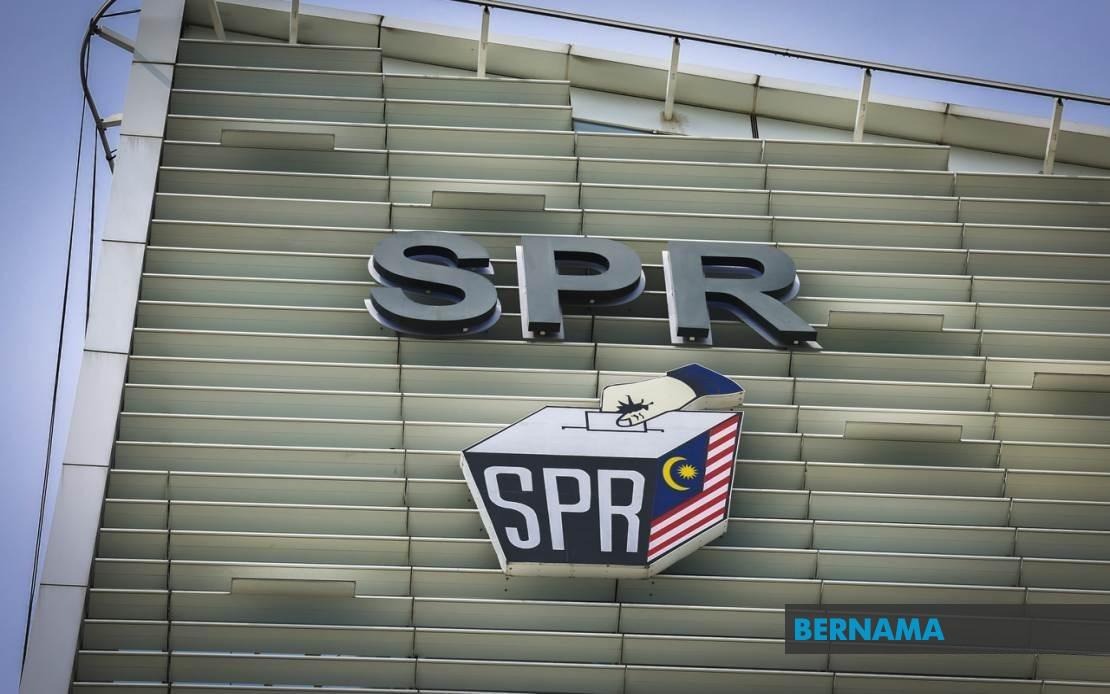
The political machinery in Negeri Sembilan shifts into high gear tomorrow as nomination day officially inaugurates the 16th state election cycle. Across eight designated nomination centres scattered throughout the state, candidates will file their papers beginning at 9 am, initiating a compressed two-week campaign sprint before polling on August 1. The submission window closes at 10 am sharp, after which returning officers will announce the complete roster of contenders deemed eligible to contest the 36 state assembly seats.
Negeri Sembilan's electoral landscape has crystallised considerably in the days leading to nominations, with the major political coalitions finalising their candidate slates. Pakatan Harapan demonstrates confidence by fielding candidates across all 36 constituencies, distributing tickets strategically between its component parties: PKR claims 16 positions, DAP secures 11, and Amanah receives nine. This comprehensive deployment underscores PH's determination to build on its 2023 performance, when it captured 17 seats to emerge as the single largest bloc in the assembly, though without commanding majority control.
Barisan Nasional's approach reflects a more measured strategy, contesting 25 of the 36 seats rather than pursuing a blanket candidacy. UMNO dominates the BN lineup with 16 candidates, while MCA fields seven and MIC contributes two. This selective participation suggests BN has identified priority battlegrounds and perhaps acknowledged demographic or political constraints in certain constituencies. The 25-seat slate represents a focused effort to recapture ground lost in 2023, when BN's tally declined to 14 seats from stronger performances in previous election cycles.
Perikatan Nasional's participation remains somewhat fragmented, reflecting internal tensions within the coalition. The bloc confirmed 11 candidates across multiple partners: PAS fields five, Gerakan and MIPP each contribute one candidate, while Parti Wawasan Negara—PN's newly minted component making its electoral debut—deploys four hopefuls. Complicating matters, Bersatu, technically a PN member, elected to contest independently under its own party symbol rather than the coalition banner. This bifurcation reveals strategic calculations within PN regarding brand positioning and electoral mechanics, as well as potential disagreements about resource allocation and seat-sharing arrangements.
Smaller parties have signalled their intentions with varying degrees of ambition. Parti Orang Asli Malaysia and Parti Sosialis Malaysia will each field single candidates, while Parti Barisan Jemaah Islamiah Se-Malaysia has committed to fielding seven contenders. Conversely, MUDA, Pejuang, and Bersama have opted to sit out the Negeri Sembilan race entirely, suggesting they view their organisational capacity or political prospects as insufficient to justify campaign expenditure in this particular state election.
The 889,490 registered voters constitute the ultimate arbiters in this contest. This electorate comprises 867,151 ordinary voters forming the core constituency, supplemented by 16,884 military personnel and their spouses, and 5,455 police personnel and their spouses. These latter two categories, representing state personnel and their families, can exercise meaningful influence in marginal constituencies where ordinary voter margins prove tight. Neighbourhood socioeconomic compositions and occupational profiles therefore warrant attention from campaign strategists assessing seat viability across the state.
The Election Commission has implemented procedural measures designed to facilitate smooth processing during nomination. Candidates are encouraged to have their nomination documents vetted beforehand at either the Returning Officer's Office or the State Election Office, reducing delays and rejections on the actual submission day. The commission also advises candidates to settle their election deposits expeditiously and retain payment receipts for presentation alongside nomination papers. These administrative safeguards acknowledge the intensity of candidate processing when multiple aspirants converge simultaneously at nomination centres.
Weather forecasting adds a procedural consideration to tomorrow's proceedings. The Malaysian Meteorological Department predicts generally fair conditions across most of Negeri Sembilan on Saturday morning, though Port Dickson and Seremban face rain prospects. Afternoon thunderstorms are expected statewide, potentially complicating candidate movements and campaign launches scheduled immediately following nominations. Nomination day logistics thus operate under weather constraints that may affect turnout and media coverage of initial campaign activities.
The political context surrounding this election reflects recent upheaval in state governance. The Negeri Sembilan State Legislative Assembly underwent dissolution on June 5 following consent from Tuanku Muhriz Tuanku Munawir, the Yang Dipertuan Besar. This triggering event launched the 14-day nomination and campaign sequence culminating in polling day. The dissolution followed what observers interpreted as tensions within the existing state administration, creating opportunity for coalitions to recalibrate parliamentary representation.
Historical performance provides baseline expectations for assessing upcoming results. The 2023 state election delivered PH seventeen seats, BN fourteen seats, and PN five seats, distributing the 36-seat chamber without producing an absolute majority for any single coalition. This fragmented outcome has characterised Negeri Sembilan politics across recent cycles, suggesting the state resists dominant single-bloc majorities. Tomorrow's nominations will clarify whether the imminent campaign generates momentum consolidating support behind leading contenders or instead perpetuates multi-cornered contests fragmenting votes across constituencies.
For Malaysian political observers, Negeri Sembilan's election carries implications extending beyond state boundaries. Negeri Sembilan functions as a microcosm testing coalition stability, particularly within PH where PKR, DAP, and Amanah must coordinate candidate selection and campaign messaging. Similarly, PN's apparent fracturing between its PAS-Gerakan-MIPP-Wawasan coalition segment and Bersatu's independent bid signals coalition cohesion challenges at the national level. Election results will thus inform assessments of whether Malaysia's complex multiparty coalition system can sustain integrated national political projects or whether state-level fissures progressively undermine them.

