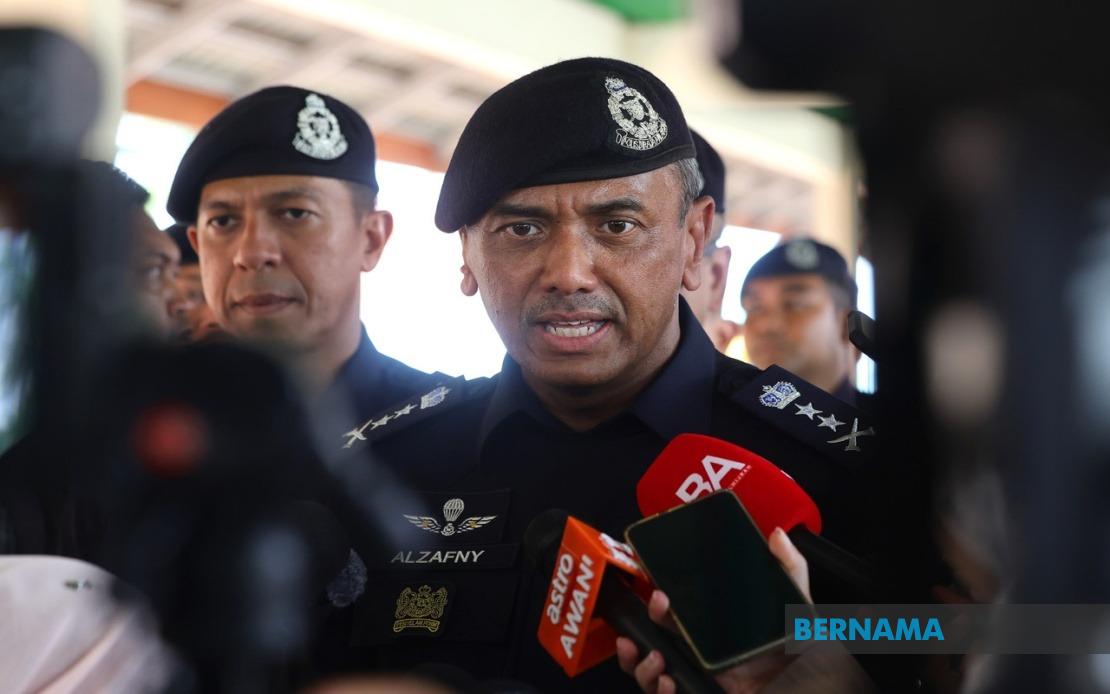
The nomination process for Negeri Sembilan's 16th state election proceeded without complications on July 18, according to state law enforcement officials who oversaw operations at eight designated nomination centres throughout the region. Police reported that all candidate registration activities unfolded in an orderly manner, with participating political organisations demonstrating full cooperation and adherence to security protocols established for the day.
State police chief Datuk Alzafny Ahmad attributed the seamless execution to the compliance demonstrated by supporters representing contesting parties, who respected officer instructions and maintained discipline during the morning through midday nomination period. The controlled environment reflected careful coordination between security personnel and election administrators, ensuring that the critical first phase of the electoral process achieved its objectives without requiring intervention for safety or conduct violations.
Voter participation levels varied significantly across the eight centres, with turnout figures reflecting broader patterns of political engagement across different constituencies. The Jempol nomination centre experienced the highest concentration of party supporters, with approximately 2,500 individuals present to witness candidate registrations, while the Kuala Pilah centre drew comparatively modest numbers at around 1,000 attendees. The remaining six centres recorded intermediate figures between these benchmarks, collectively demonstrating healthy grassroots involvement in the electoral machinery despite the administrative nature of nomination proceedings.
To manage security and maintain traffic flow throughout nomination activities, authorities mobilised an extensive police contingent totalling 2,373 officers and personnel distributed strategically across all eight locations. This substantial deployment reflected police assessment of potential crowd management requirements and their commitment to ensuring that nomination day served as a demonstration of orderly democratic processes. The presence of such coordinated security arrangements underscored the state authorities' determination that this preliminary electoral phase would establish a positive tone for the broader campaign period ahead.
Beyond maintaining immediate security, police leadership utilised their platform on nomination day to articulate conduct expectations for the campaign phase ahead. Datuk Alzafny specifically cautioned candidates and political organisations to exercise restraint when addressing the electorate, particularly regarding matters encompassing the three Rs—religion, royalty, and race—which hold constitutional and cultural significance in Malaysia's plural society. This guidance reflected enduring institutional concerns about campaign rhetoric that might exploit sensitive identity dimensions or incite intercommunal tensions during electoral competition.
The police chief further counselled candidates to emphasise their respective parties' substantive policy platforms and institutional strengths rather than resorting to provocative statements designed to generate controversy or social discord. By framing this guidance as a cooperative expectation rather than punitive threat, authorities sought to establish a collaborative posture with candidates while signalling that deliberate incitement or slander would constitute serious violations warranting enforcement action. This approach balanced democratic space for robust political messaging with safeguards against communications calculated to undermine social cohesion.
Compliance with comprehensive campaign regulations emerged as another priority area highlighted by the state police chief during post-nomination briefings. Beyond the substantive restrictions on inflammatory speech, candidates faced expectations regarding safety protocols in their campaign activities, including the seemingly routine requirement to wear helmets while riding motorcycles through villages and residential areas. These multifaceted compliance obligations reflected broader regulatory frameworks governing state elections, with police emphasising that candidates bore personal responsibility for understanding and implementing all applicable directives throughout the campaign period.
To reinforce oversight of candidate conduct and campaign compliance during the weeks between nomination and polling, police confirmed they had established dedicated monitoring teams working in coordination with the Election Commission. This institutional partnership created redundant verification mechanisms to identify violations of campaign regulations, ensuring that enforcement authority rested neither solely with police nor exclusively with the election body, but instead benefited from coordinated scrutiny. Such collaborative structures reflected best practices in election administration whereby multiple agencies contribute specialised expertise to upholding electoral integrity.
The Election Commission has scheduled August 1 as the formal polling day for voters to cast ballots in the 16th Negeri Sembilan state election, with early voting opportunities provided on July 28 for those unable to participate on election day proper. This timeline means that candidates have roughly two weeks from July 18 nomination day to conduct their campaign activities within the regulatory framework established by police and election authorities. The compressed campaign window requires candidates to immediately mobilise their campaign machinery while navigating the conduct requirements that authorities have clearly articulated as non-negotiable expectations for democratic electoral competition in the state.

