The race to govern Negeri Sembilan officially began on July 18 when nomination centres opened simultaneously across eight locations in the state, marking the start of what promises to be a closely watched electoral contest. Prospective candidates had until 10 am to lodge their nomination papers with Returning Officers, after which the Election Commission would publish the definitive roster of eligible contenders. This administrative milestone sets in motion a compressed yet intense campaign period lasting 14 days until July 31, with early voting scheduled for July 28 and polling day fixed for August 1.
The election was triggered following the dissolution of the Negeri Sembilan State Legislative Assembly on June 5, approved by Yang Dipertuan Besar Tuanku Muhriz Tuanku Munawir. By the time nomination day arrived, the Election Commission had distributed 464 nomination forms and received deposits from 70 prospective candidates, indicating strong interest from various political factions seeking to represent the state's constituencies. The state represents one of Malaysia's periodic electoral contests that offer valuable insights into shifting voter preferences and the durability of existing political alignments.
Nearly 900,000 registered voters stand to participate in the contest, comprising 867,151 ordinary voters alongside 22,339 military and police personnel and their families. This electorate will determine the composition of a 36-seat legislature, making each contest significant in determining whether the incumbent coalition maintains its grip or opposition forces successfully challenge for control. The inclusive voter roll underscores the democratic nature of Malaysia's electoral system, extending franchise to personnel serving in security and defence roles.
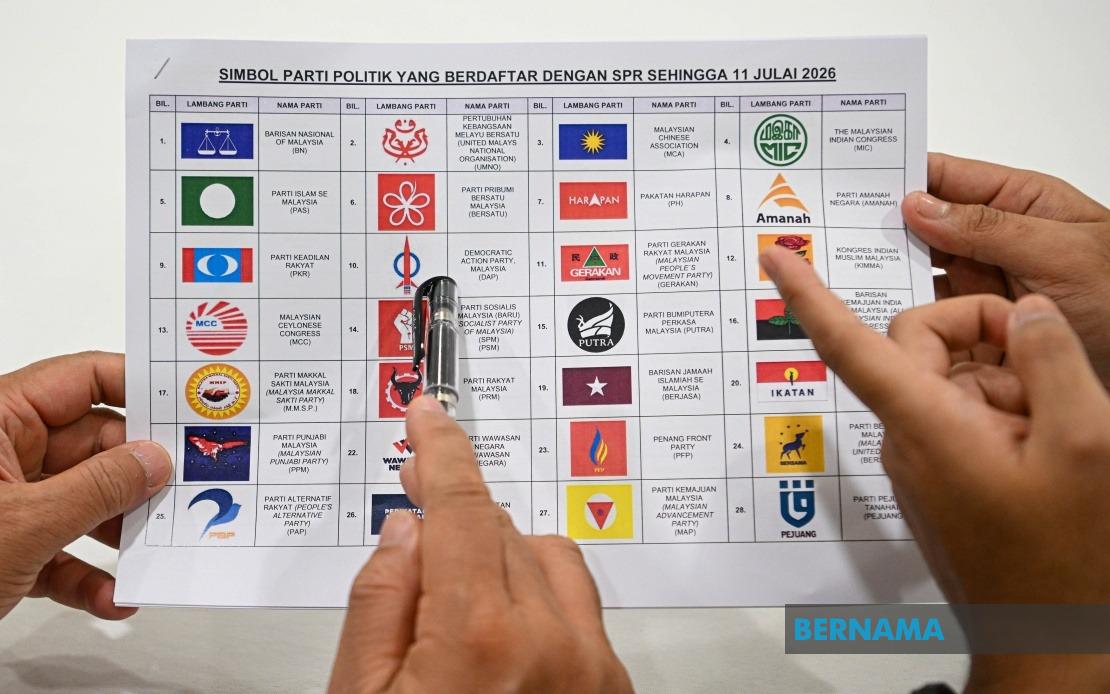
Pakatan Harapan has fielded candidates in all 36 seats, signalling confidence in a comprehensive challenge to incumbent administrations. Barisan Nasional will contest 25 seats, while Perikatan Nasional has selected candidates for 11 constituencies. Beyond these major coalitions, smaller parties including Parti Orang Asli Malaysia, the Socialist Party of Malaysia, and Parti Barisan Jemaah Islamiah Se-Malaysia each fielded single candidates, contributing to a diverse political landscape. Notably, Bersatu will contest 24 seats, with two candidates from the allied Urimai party running under the Bersatu symbol, reflecting complex coalition arrangements within the broader Perikatan framework.
The 2023 Negeri Sembilan state election provides a baseline for analysing the 2024 contest. Pakatan Harapan emerged as the largest faction then, securing 17 of 36 seats and forming the state government, while Barisan Nasional claimed 14 seats and Perikatan Nasional won five. These results suggest a three-way competitive dynamic rather than any commanding majority, with the possibility of shifting coalitions or adjusted voter sentiment capable of altering outcomes significantly. Whether the PH-led government has consolidated or eroded its position through two years of administration represents the central question animating this election.
Security and logistics for the nomination process received substantial focus from state authorities. The Negeri Sembilan police mobilised 4,800 officers and personnel, reinforced by 1,373 colleagues from Bukit Aman headquarters, to manage crowds and maintain order during what traditionally attracts large gatherings of party supporters, senior figures, and rival activists. The Election Commission emphasised that all participants must observe electoral conduct regulations and refrain from provocative behaviour that might disrupt proceedings or violate campaign guidelines. These preparations reflect Malaysian electoral authorities' experience managing highly charged nomination days where political passion can occasionally overflow into unwanted incidents.
Weather considerations added a minor complexity to planning. The Malaysian Meteorological Department forecast generally fine conditions across most of Negeri Sembilan during morning hours, with the notable exceptions of Port Dickson and Seremban where rain was anticipated. Afternoon thunderstorms were expected statewide, presenting logistical challenges for candidates and supporters congregating at nomination centres. These weather patterns are typical for the monsoon season affecting Malaysia and required contingency arrangements by both election organisers and participating political parties.
For Malaysian observers, the Negeri Sembilan contest carries implications extending beyond the state's boundaries. As a relatively compact state election occurring in mid-year, it functions as an informal barometer of national political sentiment and the performance ratings of major coalitions. Success or failure here influences confidence among politicians and strategists nationally regarding the prospects for incumbent administrations or opposition movements. The state's diverse demographic composition—including substantial Orang Asli communities, urban centres, and rural constituencies—mirrors broader national patterns, making electoral outcomes potentially instructive for federal-level political calculations.
The campaign period spanning the next two weeks will determine how extensively each coalition can mobilise ground support and articulate persuasive policy messages. With nearly 900,000 voters making individual electoral decisions, mobilisation intensity and effectiveness will largely determine outcomes. The compressed timeframe means campaigns must move quickly to establish narrative dominance and respond to opposition messaging. Early voting on July 28 will provide preliminary indicators of participation rates and turnout patterns that candidates and analysts will scrutinise for clues regarding the probable final result.
Negeri Sembilan's electoral tradition emphasises competitive contests where no single party dominates overwhelmingly, creating genuine uncertainty about outcomes and making the state's results genuinely unpredictable. This dynamism contrasts with some Malaysian states where particular coalitions have entrenched advantages. The relatively balanced position following 2023 suggests all three major contending blocs possess realistic pathways to improved performance, and that the August 1 results could substantially reshape the state legislature's composition compared to the current arrangement.

