The Negeri Semilan branch of Parti Keadilan Rakyat has completed its internal selection process and formally submitted a roster of prospective candidates to central party leadership for vetting and approval ahead of the 16th state election. Datuk Seri Aminuddin Harun, who chairs both the state PKR chapter and the broader Pakatan Harapan coalition in Negeri Semilan, confirmed the submission of names for the party's 16 contested seats. The compiled list presents multiple options for each constituency, reflecting the party's commitment to identifying the strongest possible contenders from a varied candidate pool.
The nomination framework adopted by PKR emphasises breadth and representativeness across the state's electoral landscape. According to Aminuddin, each of the 16 seats under party consideration includes at least three to five prospective names, deliberately encompassing women candidates, younger political entrants, and veterans with established track records in local governance and community engagement. This multi-tiered approach suggests PKR intends to balance continuity with fresh perspectives while addressing the pressing demand for greater female representation in electoral contests across Malaysia.
As Menteri Besar of Negeri Semilan, Aminuddin previously articulated the broader coalition's seat allocation framework governing this election cycle. The 36 available state assembly constituencies have been divvied among Pakatan Harapan's three constituent parties according to prior negotiation and agreement. PKR will field candidates in 16 seats, positioning itself as the dominant PH partner in the state contest. The Democratic Action Party fields 11 candidates, while the National Mandate Party takes responsibility for the remaining nine constituencies. This arrangement reflects both historical performance metrics and the relative organisational strength of each coalition member within Negeri Semilan's distinct political geography.
The electoral timeline has been formally established by the Election Commission, lending clarity to campaign planning for all participating parties. Polling day is scheduled for August 1, providing candidates and party machinery with compressed timeframes to mobilise grassroots support. The nomination period closes on July 18, the date by which all political parties must formally register their chosen candidates. Early voting has been calendared for July 28, accommodating voters unable to participate on the main election day due to work commitments, medical appointments, or other pressing obligations. This compressed calendar means announcement of final candidate slates will occur only days before nomination closes, necessitating rapid coordination among coalition partners.
The broader Pakatan Harapan structure in Negeri Semilan has evidently coordinated this submission sequence, with Aminuddin expressing confidence that the Democratic Action Party and National Mandate Party have similarly completed their internal selection processes and forwarded candidate names to their respective central leadership for consideration and ratification. Such synchronisation among coalition partners helps prevent overlap, contradiction, or last-minute negotiating disputes that could undermine unified messaging or dampen voter enthusiasm during the critical weeks preceding polling day. Coordination failures have historically plagued PH campaigns, making their current alignment a notable indicator of coalition cohesion in this particular contest.
The announcement of final candidates across all three PH parties will require a coordinated, joint public unveiling to emphasise coalition unity and present a consolidated alternative vision to current state governance. Aminuddin indicated that party leadership remains actively scouting appropriate dates for such an announcement, suggesting scheduling calculations extend beyond mere procedural necessity to include strategic considerations around media coverage, opponent response time, and cumulative campaign momentum. The chosen announcement date will likely aim to maximise impact while providing sufficient campaign duration without exhausting voter interest through extended exposure.
This election represents a significant test of PKR's renewed capacity to function as an effective governing instrument within Malaysia's federal system. The party has endured substantial internal turbulence in recent years, including defections, leadership disputes, and questions surrounding administrative competence. Negeri Semilan, where PKR controls the state government through Aminuddin's tenure as Menteri Besar, thus serves as a tangible demonstration of the party's ability to deliver public goods, maintain internal discipline, and appeal to ordinary voters across demographic categories. Strong performance in this contest would buttress PKR's claim to relevance within the broader Pakatan Harapan coalition and potentially influence resource allocation decisions in subsequent national and state electoral contests.
The diversified candidate selection strategy reflects evolving expectations among Malaysian voters and civil society regarding political representation. Women candidates, who have historically represented a marginal share of electoral candidates despite comprising nearly half the electorate, feature explicitly within PKR's nomination framework for Negeri Semilan. Similarly, the inclusion of younger contenders addresses demographic shifts within the state's registered voter population and the broader Malaysian electorate's apparent appetite for generational renewal in political leadership. Such inclusivity messaging, whether substantively realised or merely rhetorical, has become standard practice among major political entities seeking to maintain or expand vote share.
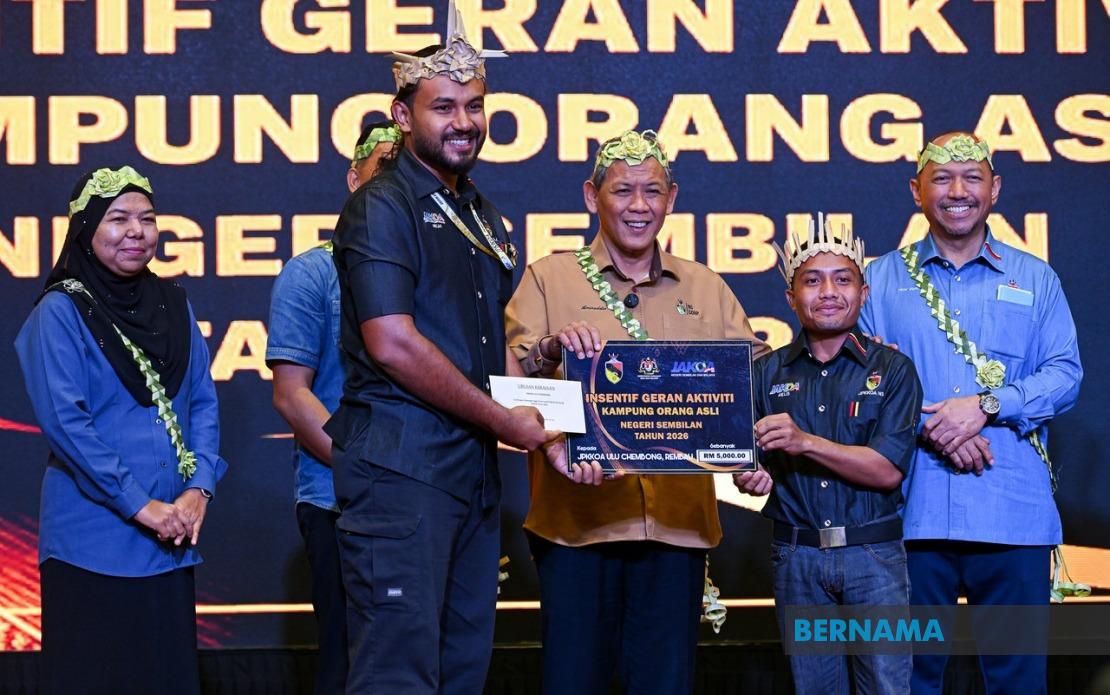
The Orang Asli Village Activity Grant Incentive distribution that provided the occasion for Aminuddin's announcement carries its own significance within Negeri Semilan's particular political economy. Indigenous communities represent a small but electorally influential population in certain state assembly constituencies, particularly in peripheral and forested regions. PKR's visible commitment to directing development resources toward Orang Asli communities positions the party competitively against rival candidates and may influence voting behaviour among indigenous voters who frequently experience marginalisation within broader Malaysian political discourse. The RM415,000 allocation, while numerically modest within state budgetary contexts, carries potent symbolic value indicating attentiveness to communities historically excluded from economic progress and political attention.
The Election Commission's formal scheduling of the Negeri Semilan state election reflects constitutional obligations and established electoral protocols governing Malaysia's federal and state political systems. State elections occur at intervals determined by electoral law and sitting parliaments' dissolution or expiration of five-year terms, though sitting governments retain discretion regarding precise polling dates within allowable windows. The August 1 date signals culmination of a political process that has unfolded across preceding months, during which various parties jockeyed for coalition partnerships, negotiated seat allocations, and mobilised organisational resources. This formal announcement renders the contest irreversible, compelling all political entities to activate campaign machinery at unprecedented intensity.
The implications of the Negeri Semilan state election extend beyond the state's immediate political composition to the broader trajectory of Pakatan Harapan's viability as a national governing coalition. Electoral performance in individual state contests generates momentum, funding, and organisational morale that ripple through subsequent contests at different territorial levels. Conversely, disappointing results demoralise party cadres, complicate leadership narratives, and invite external criticism regarding coalition cohesion. For PKR specifically, demonstrating electoral competitiveness and candidate quality across Negeri Semilan's varied constituencies affirms the party's continued relevance within Malaysian politics following years of reputational damage and institutional challenges. The candidate selection process thus represents not merely administrative necessity but a calculated attempt to restore public confidence in PKR's governing competence and democratic legitimacy.

