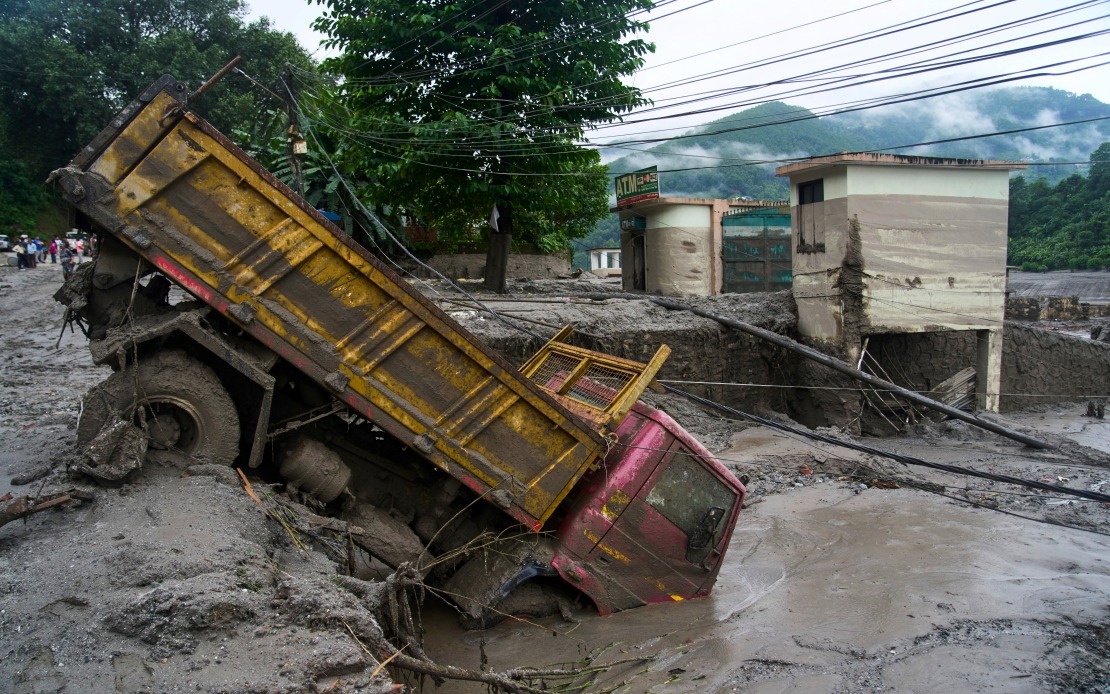
Nepal's disaster management authorities have sounded fresh alarms over escalating flood risks in the Bhote Koshi River region, underscoring the precarious situation facing rescue operations and communities in flood-prone areas. The National Disaster Risk Reduction and Management Authority (NDRRMA) released an urgent advisory on Friday after detecting a resurgence of water flow mixed with debris and sediment in Rasuwa district—the same location that experienced a catastrophic flash flood just two days prior on August 26.
The timing of this renewed threat compounds an already critical humanitarian crisis. The devastating initial floods that swept through the Bhote Koshi River valley have resulted in at least 475 confirmed deaths, with hundreds more reported missing as search and rescue teams continue systematic sweeps of waterways and downstream settlements. The continuing risk of fresh inundation means rescue operations face mounting danger, and recovery efforts could be significantly hampered or reversed by additional water surges.
The NDRRMA's formal notice specifically cautioned all personnel engaged in rescue operations along both the Bhote Koshi and Trishuli rivers to remain on high alert. The advisory emphasizes the volatile nature of current conditions, where additional water movement poses an immediate and serious threat to anyone operating in these river corridors or in adjacent high-risk zones. This warning extends beyond rescue workers to residents and displaced persons still occupying vulnerable locations.
Authorities have instructed all personnel and civilians in danger zones to relocate immediately to elevated, safer ground should they observe any warning signs. Such signs typically include sudden increases in water turbidity, unusual water noise, or visible debris carried downstream—indicators that upstream conditions are deteriorating and another surge may be imminent. The instruction reflects lessons learned from Wednesday's catastrophic event, which appears to have caught many communities with insufficient warning.
The succession of warnings highlights the unpredictable nature of post-flood hydrological conditions in mountainous terrain. Heavy rainfall and glacial melt in upstream areas, combined with destabilized riverbeds now filled with loose debris and sediment from the initial disaster, create conditions where secondary surges can occur without significant new rainfall. This phenomenon is particularly dangerous because communities may believe the worst has passed after the primary event.
For Southeast Asian readers, particularly those in Malaysia and countries with similar monsoon-influenced geography, Nepal's situation serves as a sobering reminder of flood preparedness challenges. Like Malaysia's own flood-prone regions, Nepal faces the compounded problem of managing both natural water systems and the cascading effects of environmental degradation. The Himalayan context makes conditions even more severe, as narrow river valleys can channel sudden water movements with tremendous force.
The Rasuwa district incident also underscores how climate variability and intensifying weather patterns are pushing disaster management systems to their limits. The region's topography and seasonal precipitation patterns create inherent vulnerabilities, but contemporary meteorological trends appear to be amplifying these risks. A single weather event now triggers secondary hazards that extend the crisis timeline and compound recovery challenges.
For rescue and relief organizations operating in Nepal, the renewed alert demands resource allocation decisions under genuine uncertainty. Maintaining sufficient personnel and equipment in high-risk areas while protecting worker safety requires careful judgment. The possibility of fresh flooding creates a tragic dilemma where abandoning risk zones may mean missing survivors, yet maintaining presence exposes rescue teams to fresh danger.
The ongoing missing persons count adds urgency to current operations. Hundreds remain unaccounted for, with many bodies likely still in river systems or buried under debris in low-lying areas. The window for finding survivors alive narrows with each passing day, yet the renewed flood risk could either reveal additional bodies downstream or create new disasters that claim additional lives. This tension shapes the intensity and methods of current search efforts.
Nepal's disaster response infrastructure, while improved in recent years, continues facing strain from successive crises. The August 26 floods represent the latest in a series of significant hydrological disasters that have tested national and regional response capabilities. International aid and neighboring country support have become essential components of Nepal's disaster management model, reflecting the scale of challenges that exceed purely domestic capacity.
The cascading nature of this crisis—initial disaster followed by renewed threats—demonstrates why long-term flood mitigation requires sustained investment in early warning systems, infrastructure hardening, and community preparedness. Single-event responses, however robust, cannot substitute for systematic vulnerability reduction in mountainous regions prone to multiple hazards.

