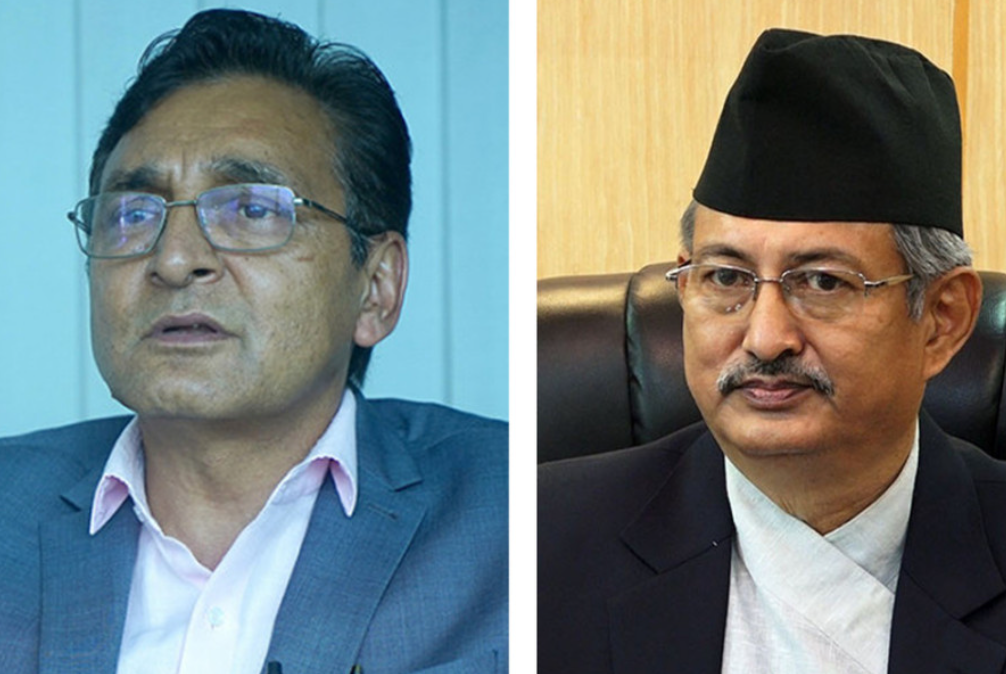
Nepal's legal system has delivered its verdict in a high-profile corruption case that has gripped the nation, with a Kathmandu district court finding two former government ministers guilty of engineering a scheme to falsify refugee credentials. Former Deputy Prime Minister and Energy Minister Top Bahadur Rayamajhi was sentenced to four years in prison on charges including crimes against the state, fraud, and involvement in organised crime. His co-accused, former Home Minister Bal Krishna Khand, received a lighter sentence of two years for his role as an accomplice in the scam. The verdicts, announced on Tuesday, represent a significant victory for anti-corruption efforts in a country where political malfeasance has historically faced limited accountability.
The case centres on a scheme whereby documents were forged to enable Nepali nationals to claim Bhutanese refugee status, facilitating their resettlement in Western nations through third-country programmes. Given that Washington alone has accepted approximately 100,000 refugees from Nepal under such schemes, the scope for systematic fraud through document manipulation in this process appears substantial. The two former ministers maintain their innocence, with Rayamajhi currently detained while Khand remains free on bail pending appeals. Both have previously denied involvement in the resettlement scam, and their legal representatives signalled immediate intention to challenge the convictions at a higher court level, suggesting protracted legal proceedings ahead.
Beyond the two former ministers, fourteen other individuals were also prosecuted and received sentences of up to four years imprisonment. This broader group included a retired senior official from the home ministry and a former leader within the Bhutanese refugee community in Nepal, indicating the scheme involved coordination across government bureaucracy and refugee administration structures. The expansion of charges to include figures from refugee advocacy circles suggests a network rather than isolated malfeasance at the ministerial level. It remains unconfirmed whether any Nepali nationals were ultimately successfully resettled in the United States under fraudulent refugee credentials, though the investigation's revelation in 2023—well after both ministers had left office—suggests the scheme operated undetected for some period.
The conviction carries significant implications for Nepal's refugee administration going forward. The country hosts approximately 120,000 individuals of Nepali origin who fled Bhutan since the early 1990s, seeking greater political freedoms in their predominantly Buddhist neighbour. Nearly 113,000 of these individuals have been accepted for resettlement across multiple Western nations including the United States, Canada, and Australia through carefully regulated third-country programmes. Washington's acceptance of roughly 100,000 such refugees underscores the volume involved and the stakes for maintaining integrity in the verification process. The discovery that government ministers potentially manipulated this system raises questions about oversight mechanisms and the extent to which similar fraud may have occurred undetected.
The geopolitical context surrounding Bhutan-Nepal relations adds another dimension to this case. The two South Asian neighbours have failed to reach consensus on repatriation of the Bhutanese nationals of Nepali descent, leading international organisations to facilitate third-country resettlement as an alternative. This impasse, now spanning more than three decades, has created a large population in precarious legal circumstances—several thousand remain in refugee camps across eastern Nepal, expressing desire to return home yet unable to access formal repatriation channels. The fraud scheme exploited this structural deadlock, leveraging the legitimate grievances and desperation of the refugee population to circumvent resettlement protocols.
The timing of these convictions reflects shifting political priorities in Nepal. The nation experienced major social upheaval in September of the previous year when youth-led anti-corruption demonstrations claimed 76 lives and precipitated the collapse of the incumbent government. This generational anger over institutional corruption created space for electoral change, with a new administration headed by Balendra Shah, a 36-year-old former rapper-turned-politician, taking office in March following elections. Shah's government has explicitly campaigned on rooting out alleged corruption within previous administrations, making these convictions of two prominent former ministers an early test of whether anti-corruption pledges will translate into concrete accountability.
The case also highlights vulnerabilities in international refugee resettlement frameworks that rely on documentation originating from conflict zones or countries with weak institutional capacity. Nepal's refugee administration, while functional, operates within resource constraints common to developing nations managing large displaced populations. The ministry responsible for processing and verifying refugee credentials faces pressure to process thousands of cases whilst maintaining adequate oversight. The conviction of a former home ministry official alongside the ministers suggests that bureaucratic capacity gaps may have enabled or facilitated the fraudulent scheme, pointing toward systemic vulnerabilities requiring institutional strengthening.
For Malaysia and the broader Southeast Asian region, this case offers instructive lessons about fraud risks within refugee programmes. Countries throughout Southeast Asia host significant refugee and displaced populations, and several participate in third-country resettlement arrangements. The Nepal case demonstrates that even when international oversight exists, gaps can emerge between verification standards in origin countries and resettlement decision-making in receiving nations. As countries like Malaysia balance humanitarian obligations toward refugees with security and resource constraints, the Nepal precedent underscores the importance of robust documentation verification and regular audits of resettlement eligibility criteria.
The appeals process will likely extend these proceedings across several years, given the legal complexity and the defendants' resources to mount sustained challenges. Nevertheless, the guilty verdicts establish important accountability for senior political figures in a region where such prosecutions remain comparatively rare. The conviction also signals that Nepal's new generation of political leadership may be serious about addressing the corruption that precipitated last year's youth protests. For the broader refugee population caught between Bhutan and Nepal, the case illustrates how corruption at elite levels can jeopardise the legitimacy of resettlement programmes that represent their only viable pathway to permanent settlement, potentially complicating future international cooperation on refugee matters in South Asia.

