Rescue operations across Nepal's northern regions remained in full swing on Friday as authorities grappled with the catastrophic aftermath of massive flooding that has claimed at least 550 lives. The disaster, which struck without warning on Wednesday morning when glaciers high in the Himalayas collapsed and unleashed torrents of water down the Bhote Koshi and Trishuli rivers, has become one of the region's most devastating natural disasters in recent years. Malaysia's government has been closely monitoring the situation, particularly given the significant number of citizens who were in the affected areas at the time.
According to Malaysia's Foreign Ministry, two of the 57 Malaysians initially reported missing have now been located as of Friday afternoon, leaving 55 others whose whereabouts remain unknown. Datuk Syed Mohamad Hasrin Tengku Hussin, the Foreign Ministry's Deputy Secretary-General overseeing bilateral affairs, cautioned that these figures were preliminary and subject to further refinement as information continued flowing from Nepalese authorities and on-the-ground agencies. The uncertainty reflects the chaotic conditions persisting across the affected zone, where communication infrastructure has been severely compromised and many areas remain cut off from the outside world.
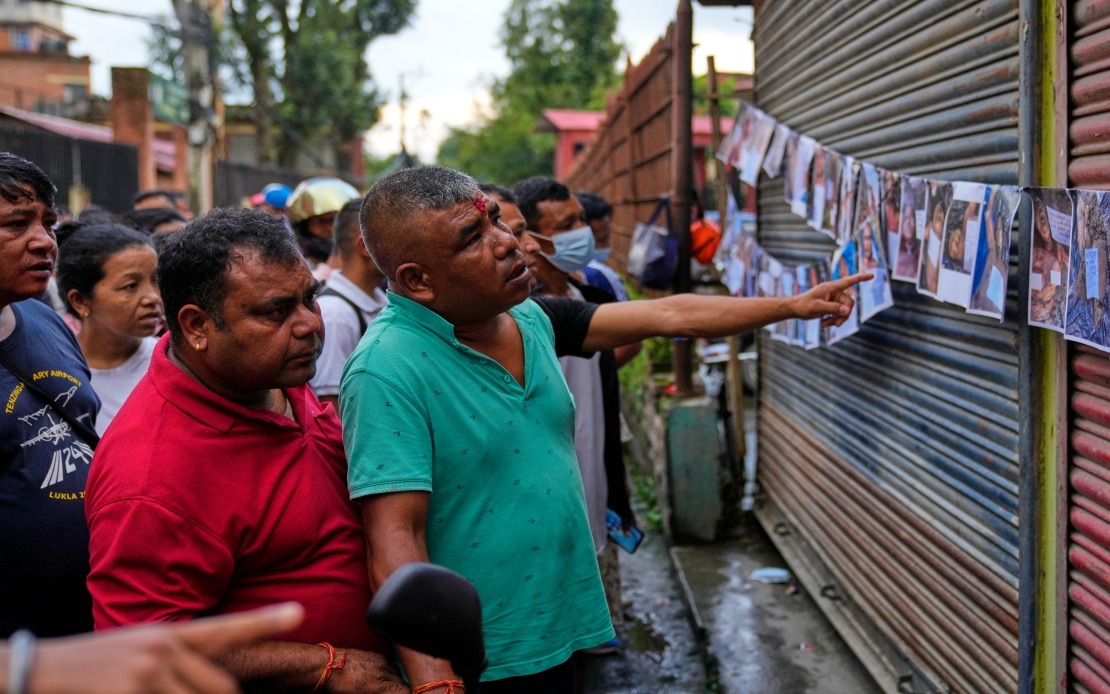
Nepal's Department of Tourism released a comprehensive list on Thursday evening detailing 537 foreign nationals from more than 30 countries reported as missing in the aftermath of the Rasuwa district floods. The inventory, compiled by the ministry overseeing culture and civil aviation, included the names, ages, nationalities, and associated travel agencies for each individual, providing a sobering picture of the international scope of the tragedy. Among these, 51 entries corresponded to Malaysian nationals, though verification efforts have since reduced that figure as survivors have made contact with their families and authorities.
The sheer destructive power unleashed by the deluge has overwhelmed local infrastructure and services across multiple districts. The sudden torrent swept through Nepal's Rasuwa district with tremendous force, obliterating roads and bridges while reducing buildings to rubble. As the floodwaters funnelled into the Trishuli River system downstream, they continued their devastating rampage, carrying away vehicles, livestock, and structures while rendering certain communities entirely isolated. Relief workers have faced extraordinary challenges in accessing affected populations, and the scale of physical damage to transport networks has severely hampered rescue and evacuation efforts throughout the region.
Recovery operations have proven particularly gruesome and complicated, with bodies and human remains being discovered in districts far removed from the initial impact zone in Rasuwa. The distribution of deceased individuals across such a wide geographical area has created severe logistical challenges for authorities attempting to establish victim identification protocols and manage the overwhelming number of fatalities. Multiple morgues and temporary storage facilities across affected districts have exceeded capacity, forcing officials to implement emergency measures and seek external support from neighbouring regions and the national government to establish adequate facilities for the deceased.
While international rescue teams have begun operations, the success rate in locating survivors has been limited. Nepal's tourism authorities reported that international rescue personnel had managed to extract 121 foreign nationals from the flood zone, though notably no Malaysian citizens had been identified among those rescued to date. This absence raised concerns among Malaysian officials monitoring the situation, as it suggested that many of the missing Malaysians may have been caught in areas where rescue access remains severely constrained or where the flooding intensity was greatest.
Malaysia's government has initiated diplomatic discussions with Nepal regarding potential assistance measures. Prime Minister Datuk Seri Anwar Ibrahim indicated that Malaysia's response could encompass both financial support and the deployment of specialized personnel, including potentially the Malaysian Special Search and Rescue Team, commonly known as SMART. The National Security Council has been actively engaged with Nepalese governmental counterparts to determine what form of assistance would prove most valuable and practically feasible given the ongoing emergency situation and access constraints affecting the region.
The deployment of Malaysian rescue assets would represent a significant commitment, as SMART comprises some of Southeast Asia's most experienced disaster response specialists. However, coordination challenges and the difficulty of reaching remote mountain areas have complicated planning discussions. Officials must balance the desire to assist with the practical reality that deploying teams requires suitable landing zones, adequate logistics infrastructure, and clear communication channels with Nepalese authorities—all of which have been severely disrupted by the disaster.
For Malaysian families with relatives unaccounted for in Nepal, the waiting period has been agonizing. The Foreign Ministry has established dedicated hotlines and coordinated with diplomatic missions in Kathmandu to compile information and cross-reference survivor lists as they emerge. Many of the missing Malaysians were tourists engaged in trekking, mountaineering, or adventure travel activities in the region, exposing them to particular danger when the flooding struck without warning. Some had been part of organized tour groups, while others were independent travellers, complicating the task of establishing definitive status for each individual.
The disaster carries broader implications for Southeast Asia's tourism industry and adventure travel sector, highlighting the unpredictability of mountain weather and natural hazards in high-altitude regions. Nepal's tourism authorities, despite the current crisis, have emphasized their commitment to supporting affected nationals and facilitating international assistance. The glacial collapse that triggered the disaster represents an increasingly common phenomenon linked to climate change, suggesting that similar events may become more frequent across the Himalayan region in coming years.
Regional cooperation has emerged as essential to managing the response effectively. Malaysia's coordination with other countries whose citizens are missing, combined with ASEAN's broader engagement with South Asian neighbours, could establish precedents for cross-regional disaster response. The incident underscores how natural disasters respect no political boundaries and how development in adventure tourism across remote mountain regions requires enhanced international safety protocols and emergency preparedness systems.
As search operations continue through their critical early phases, Malaysian officials emphasize that locating survivors becomes increasingly difficult with each passing day. The focus remains on thorough verification of all reported missing persons, coordination with Nepalese authorities and international rescue organizations, and providing consular support to affected families. The Foreign Ministry's ongoing efforts to cross-check information and update the status of Malaysian nationals represent a race against time, as weather conditions in the mountains could deteriorate further and hamper rescue operations during coming days.

