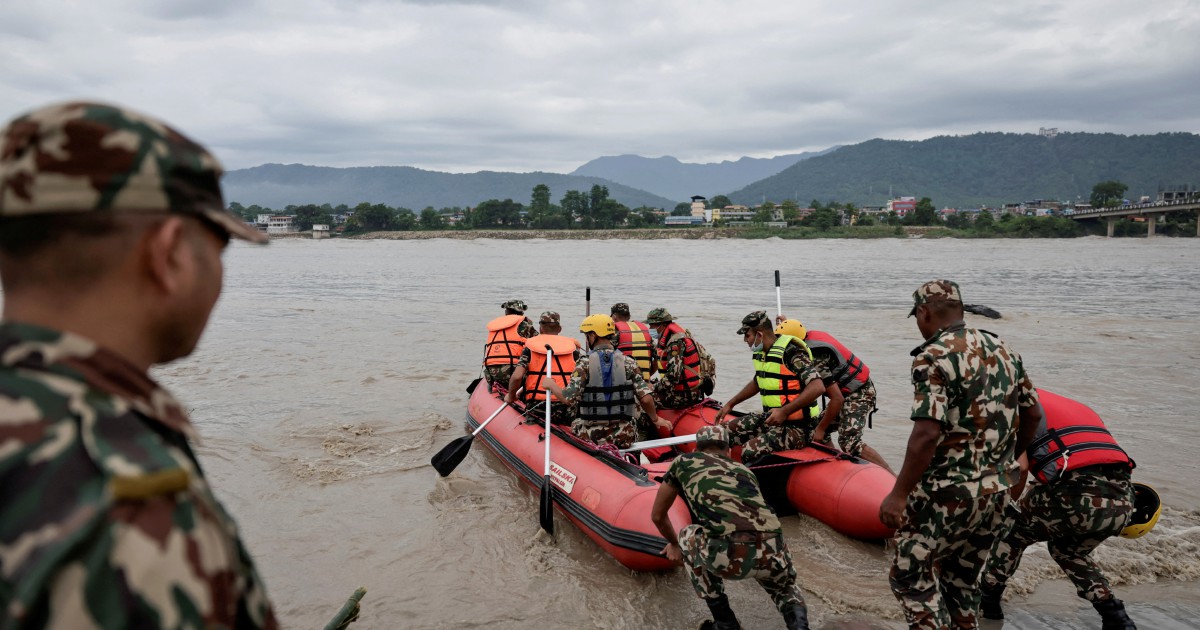
Nepal is confronting what officials describe as an unprecedented humanitarian catastrophe, as devastating floods sweep across the Himalayan nation leaving hundreds dead and thousands still missing. Prime Minister Balendra Shah characterised the disaster as both "unimaginable and heartbreaking", underlining the severity of the crisis that has overwhelmed emergency response capabilities and left the country scrambling to mount an effective recovery effort.
The scale of destruction extends far beyond initial death tolls, with rescue operations hampered by difficult terrain, damaged infrastructure, and communication blackouts across affected regions. Authorities acknowledge that assessing the true extent of casualties and missing persons remains an enormous challenge, as many rural and mountainous areas remain cut off from rescue teams. The difficulty in reaching remote communities means that the confirmed figures likely represent only a fraction of the actual human toll.
For Malaysia and Southeast Asia, Nepal's catastrophe underscores the region's acute vulnerability to extreme weather events intensified by climate patterns affecting the broader Asian monsoon system. The flooding reflects how South Asian countries, despite their development challenges, remain frontline states in confronting climate-driven disasters. Malaysia has experienced similar flash flooding events in recent years, making Nepal's crisis a sobering reminder of the regional climate risks that transcend national boundaries.
The disaster strikes Nepal's already fragile economy and infrastructure systems. The country, reliant on tourism and hydroelectric power generation, faces compounded economic shock as transportation networks collapse and foreign visitors remain unable to reach the nation. Rural livelihoods dependent on agriculture and livestock face devastating losses as floodwaters destroy crops, homes, and communal assets accumulated over generations. The cascading economic consequences will extend well beyond the immediate emergency period.
Government mobilisation has begun, though the scale of coordination required for a comprehensive response strains institutional capacity. Nepal's history of managing natural disasters—from earthquakes to landslides—means emergency protocols exist, but floods of this magnitude present distinct logistical challenges. International aid coordination mechanisms are likely to activate, drawing assistance from neighbouring countries including India, regional organisations, and the international humanitarian community. For Malaysians working or studying in Nepal, the crisis raises immediate concerns about safety, movement restrictions, and consular support.
The environmental aftermath will prove equally significant. Massive volumes of flood debris carry soil, vegetation, and potentially hazardous materials downstream, affecting water quality and creating secondary risks for communities further down river valleys. Landslide risks escalate in flood-affected mountainous regions, as saturated soil destabilises slopes. These secondary disasters can unfold over weeks or months following the initial flooding, complicating the recovery timeline and requiring sustained attention even as international headlines shift.
Nepal's vulnerability stems partly from geography and partly from development gaps. The nation's steep terrain channels water rapidly into valleys where population concentrations create exposure to catastrophic impacts. Inadequate early warning systems, limited infrastructure resilience, and poverty leave populations with few defensive options when disaster strikes. These structural vulnerabilities mirror challenges across South and Southeast Asia, where rapid urbanisation in hazard-prone areas compounds climate risks.
The political dimension cannot be overlooked. Prime Minister Shah's public acknowledgment of the disaster's severity signals government awareness of public expectations for rapid response and accountability. Nepal's recent political history has seen criticism of government incompetence during emergencies, making effective crisis management politically consequential. The administration faces pressure to demonstrate competence in rescue operations, resource distribution, and long-term reconstruction planning.
Regional cooperation mechanisms will be tested by this crisis. South Asian nations including India, which shares water systems and weather patterns with Nepal, have immediate strategic interests in coordinated disaster response. Bangladesh and other downstream countries may face secondary impacts from altered water flows and debris transport. For ASEAN nations, Nepal's tragedy highlights why regional disaster management frameworks and capacity-building initiatives deserve sustained investment and attention.
International aid pledges typically follow major disasters, but Nepal's sustained recovery will require consistent support over years. Reconstruction of homes, schools, hospitals, and transportation networks demands sustained funding and technical expertise. Historical patterns show that international attention fades within months, yet actual recovery timelines extend far longer. Building resilience to future disasters—strengthening early warning systems, upgrading infrastructure standards, and implementing land-use planning that accounts for flood risks—requires investments that typically attract less dramatic international attention than emergency response.

