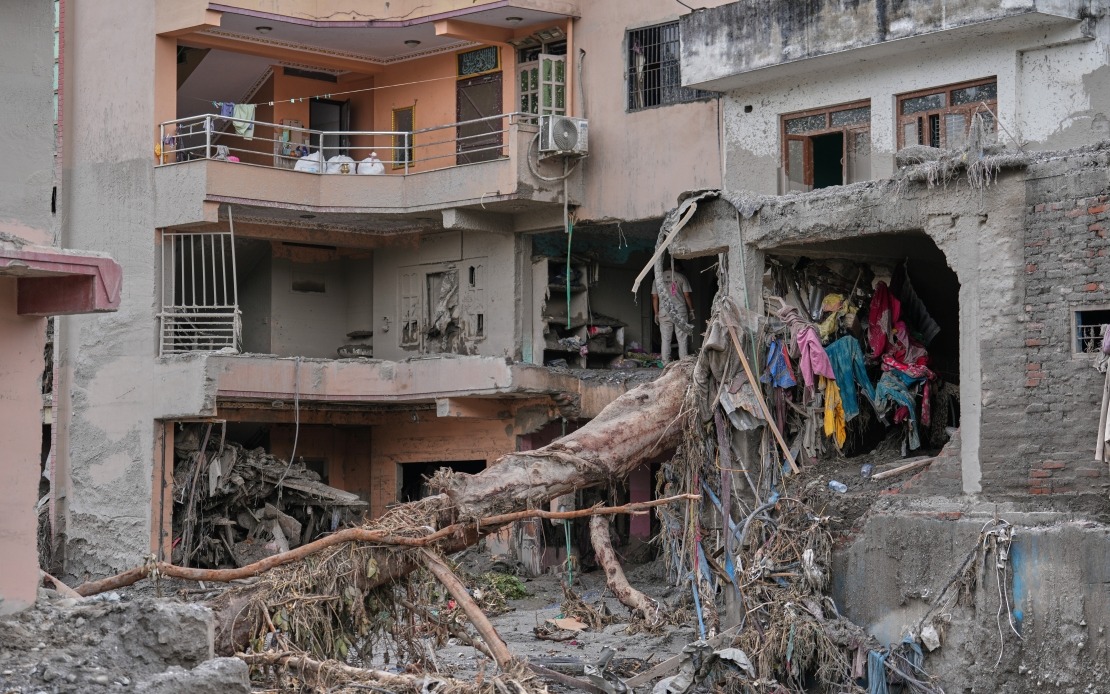
Nepal has announced a systematic approach to managing the remains of unidentified victims from devastating floods that struck the country on August 26, with authorities committing to preserve biological and forensic evidence before proceeding with burial or alternative disposition. The catastrophic flooding of the Bhotekoshi River unleashed a torrent of water and debris that carved a path of destruction through multiple districts in central Nepal, leaving hundreds dead and causing extensive damage to homes, bridges, and critical infrastructure along the affected river corridor.
Prime Minister Balendra Shah disclosed the government's protocol through a statement shared on social media on Saturday evening, outlining a measured response to the humanitarian challenge posed by the large number of unidentified remains. The approach reflects international best practices in disaster victim management, particularly relevant for a mountainous nation where natural disasters frequently trigger such crises. By preserving DNA samples and other forensic evidence before burial, the Nepali authorities are creating a permanent record that could enable families to identify and claim their deceased relatives at a later date, even years after the initial disaster.
The flooding impacted a broad geographic area across central Nepal, with severe consequences reported in Rasuwa, Nuwakot, and Dhading districts that bore the brunt of the Bhotekoshi's surge. Additional casualties and property damage extended into Chitwan, Tanahun, Gorkha, Nawalparasi East, and Nawalparasi West, demonstrating the widespread reach of the disaster. The sheer scale of destruction created immediate logistical challenges for recovery teams, who faced difficult conditions navigating mountainous terrain while attempting to locate and retrieve bodies scattered across a broad corridor.
As of the government's latest accounting, search and rescue operations had recovered 675 bodies from various locations affected by the disaster. This substantial death toll underscores the ferocity of the flooding event and the rapid mobilization required from emergency responders. The recovery operation itself presented significant challenges, as many bodies were damaged or decomposed, complicating immediate visual identification by family members or local authorities. In such circumstances, forensic DNA analysis becomes essential for establishing identity with certainty and ensuring that deceased individuals are reunited with their families for proper rites and burial.
The Nepalese government's decision to implement a DNA preservation protocol demonstrates a commitment to maintaining dignity in death and providing closure to grieving families. In disaster scenarios involving mass casualties, the immediate pressure to rapidly dispose of remains often conflicts with the need for thorough identification. By establishing a formal procedure that prioritizes evidence collection, Nepal is balancing the practical necessity of managing remains with the humanitarian imperative to help families obtain answers. This approach also acknowledges that not all identifications will be possible immediately—some families may still be searching for missing relatives weeks or months after the disaster, and preserved DNA records ensure that future identifications remain possible.
The protocol outlined by Prime Minister Shah applies specifically to bodies that cannot be identified through conventional means such as facial recognition, fingerprints, or visual identification by family members. Bodies successfully identified before burial will presumably proceed through customary mourning and funeral practices according to the religious and cultural traditions of the deceased and their families. This two-tiered system respects the immediate needs of identified victims while providing a systematic solution for the more complex cases. The government's involvement in managing unidentified remains also suggests coordination with local authorities and burial grounds to ensure respectful treatment and proper record-keeping.
For Malaysia and other Southeast Asian nations grappling with similar disaster risks, Nepal's response offers valuable lessons in victim management protocols. The region's exposure to monsoons, typhoons, and flash flooding means that mass casualty events remain a recurring threat. The integration of DNA preservation into standard disaster response procedures could serve as a model for other governments developing comprehensive emergency management frameworks. As climate change intensifies extreme weather patterns, the capacity to systematically handle large numbers of unidentified remains becomes an increasingly critical component of national disaster preparedness.
The Bhotekoshi flooding represents one of Nepal's most severe natural disasters in recent years, occurring during monsoon season when swollen rivers pose heightened risks across the Himalayan foothills. Recovery and reconstruction efforts will likely extend far beyond the immediate aftermath, as communities assess damage to agricultural land, water sources, and structural infrastructure. The government's focus on proper victim identification and management sets the foundation for moving through the bereavement process and beginning collective healing. This initial phase of preserving evidence and recovering remains will eventually transition to reconstruction and rehabilitation efforts aimed at restoring affected communities and building resilience against future floods.

