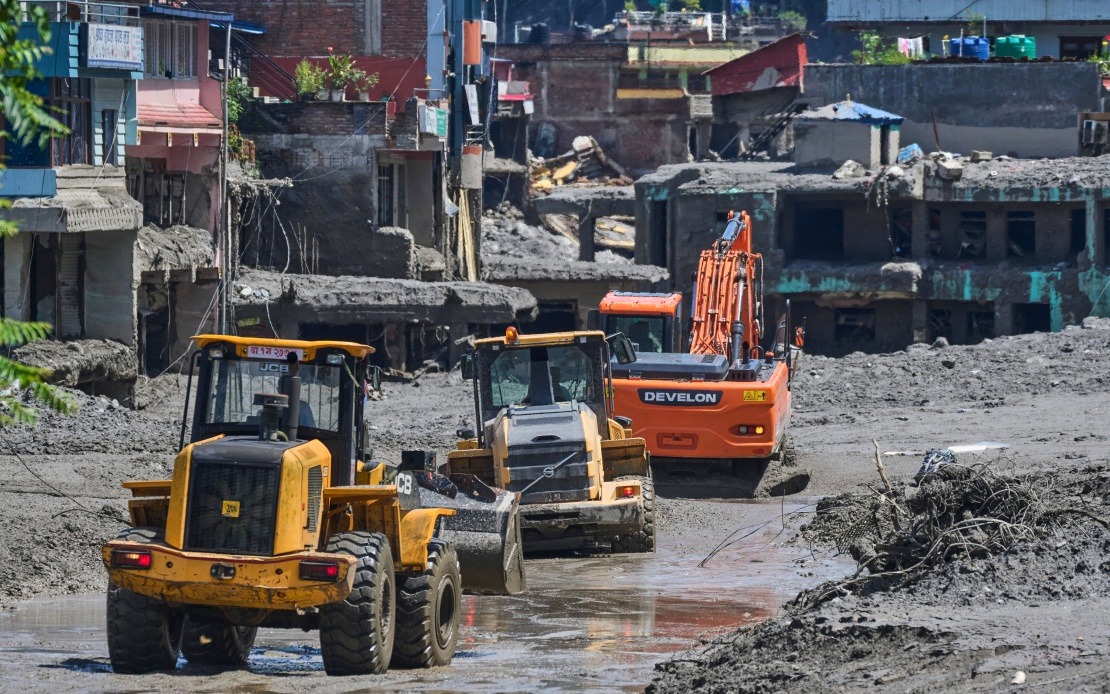
The Nepalese government is mobilising its full apparatus in response to catastrophic flooding that swept through the Bhote Koshi River on Wednesday, with authorities treating search, rescue and emergency assistance as paramount concerns. According to the Embassy of Nepal in Kuala Lumpur, the disaster has inflicted substantial casualties and widespread damage to homes and critical infrastructure in Rasuwa, Nuwakot, Dhading and Gorkha districts—mountainous regions prone to sudden inundation when monsoon rains overwhelm river systems.
The scale of the crisis has prompted the Office of the Prime Minister and Council of Ministers to make an urgent public call for financial aid from domestic and international sources. This decision underscores the reality that government coffers alone may prove insufficient to manage both immediate relief requirements and the lengthier rehabilitation process that typically follows such natural disasters in developing nations.
With heavy casualties reported and entire communities facing displacement, the Nepalese authorities have activated existing disaster relief mechanisms. Security agencies and emergency responders are engaged in ongoing operations to locate survivors trapped in affected areas, deliver provisional aid to those stranded, and compile comprehensive casualty figures and assessments of physical devastation. The Bhote Koshi valley, a hydropower and trekking region, has experienced severe disruption to essential services and connectivity.
For Malaysians with ties to Nepal and the broader Southeast Asian expatriate community, the disaster carries personal significance. The Embassy of Nepal in Kuala Lumpur has launched a targeted appeal to Nepali nationals living in Malaysia, community associations, private enterprises and philanthropic individuals to contribute funds specifically designated for rehabilitation of displaced families and their return to stable living conditions.
The government has established transparent channels for international donations through two designated relief funds: the Prime Minister's Disaster Relief Fund and the Prime Minister's Relief Fund. These are housed within two major Nepali financial institutions—Rastriya Banijya Bank and Nepal Bank Limited—with clearly published account numbers to facilitate cross-border transfers. The embassy has published comprehensive banking details and QR codes on its social media pages, removing logistical barriers that might otherwise discourage donors abroad.
This flooding incident exemplifies the climate vulnerability that defines Nepal's development landscape. Mountainous terrain, monsoon precipitation patterns, and aging infrastructure combine to create recurring disaster scenarios. Each major flood event displaces thousands, destroys harvests and livestock, damages road networks connecting remote communities, and strains limited government resources. The long-term recovery phase—which extends months or years beyond initial emergency response—requires sustained financial commitment to reconstruct homes, restore agricultural capacity and rebuild public infrastructure.
For regional observers, the disaster illustrates broader challenges facing South Asian nations as climate variability intensifies. Nepal's positioning along major water systems means flood risk will likely increase, demanding improved early-warning systems, structural defences and disaster preparedness. Meanwhile, Nepal's economic dependency on tourism and subsistence agriculture means flooding disrupts both income sources, deepening poverty among vulnerable populations.
The appeal to the diaspora reflects evolving patterns in disaster response across South Asia. International remittances from overseas workers now form substantial revenue for many Himalayan communities, and during crises, expatriate networks frequently channel private donations faster than intergovernmental aid mechanisms. Malaysian-based Nepali communities, numbering several thousand, represent a meaningful resource pool that can directly support their home districts.
For Malaysian readers, particularly business leaders and humanitarian organisations with South Asian engagement, this crisis signals opportunity for corporate social responsibility initiatives. Companies operating across Nepal or employing Nepali workers can channel institutional giving through the official relief funds, simultaneously addressing humanitarian need and strengthening their regional reputation.
The thoroughness with which the Nepalese embassy has publicised banking details and established multiple donation pathways suggests institutional learning from previous disasters. Clear communication reduces friction costs for potential donors and increases the likelihood of sustained giving rather than one-time impulses. This operational efficiency may serve as a model for other regional governments coordinating transnational disaster response.

