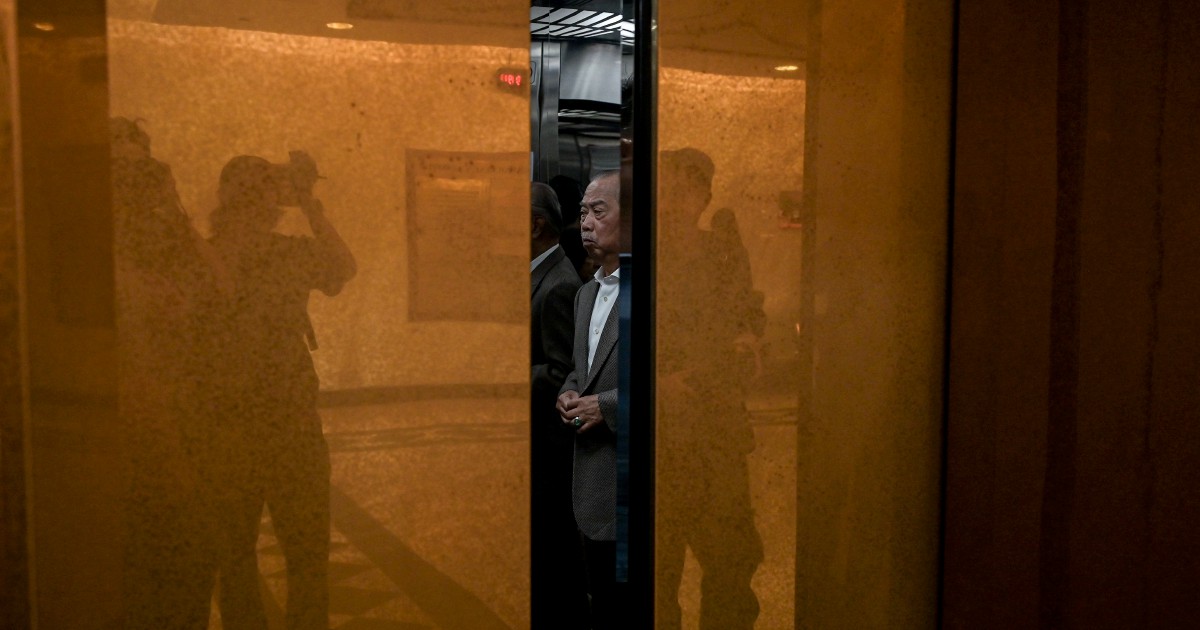
A witness in the ongoing Muhyiddin trial told the High Court in Kuala Lumpur on Tuesday that Nepturis Sdn Bhd had issued a cheque valued at RM1 million made payable to Bersatu, the political party founded by former Prime Minister Muhyiddin Yassin. The testimony centres on financial transactions that prosecutors argue may be connected to the charges against Muhyiddin, marking another significant moment in the closely watched legal proceedings that have gripped Malaysian politics since his arrest last year.
The revelation of the substantial fund transfer adds another layer to investigations into the party's financial management and potential sources of its operational funding. Bersatu, officially known as the Malaysian United Indigenous Party, has maintained that all its financial arrangements comply with legal requirements and transparent accounting standards. However, the emergence of this particular transaction in court testimony suggests scrutiny extends to how the party received and recorded such large sums of money during the period in question.
Nepturis Sdn Bhd's identity and commercial activities remain central to understanding the nature of the transaction in dispute. The company's role in issuing the cheque, along with the circumstances surrounding the payment and its ultimate destination within Bersatu's organisational structure, will likely form part of the prosecution's broader narrative. Defence counsel is expected to challenge the characterisation of the transaction and question whether proper documentation and approval processes were followed before the funds reached the party.
The High Court proceedings have attracted significant public attention given Muhyiddin's prominence in Malaysian politics. As the eighth Prime Minister, his fall from office and subsequent legal battles represent a watershed moment for the nation's political establishment. The trial has become a barometer of judicial independence and the rule of law in Malaysia, with both supporters and critics watching developments closely for signals about how the country handles alleged misconduct by senior political figures.
Bersatu's formation in 2016 and its subsequent rise to political prominence under Muhyiddin's leadership fundamentally altered Malaysia's political landscape. The party played a crucial role in the 2022 general election results and government formation, eventually supporting the current coalition administration. Questions about party financing therefore carry implications not just for Muhyiddin personally but for Malaysia's entire political ecosystem and the legitimacy of the current government's mandate.
The testimony about the RM1 million cheque joins other evidence already presented in court regarding Muhyiddin's alleged conduct. Prosecutors have constructed their case around patterns of behaviour they characterise as systematic misuse of public resources and abuse of power during his tenure as Prime Minister between 2020 and 2021. Each piece of testimony and documentary evidence is designed to build momentum toward establishing guilt beyond reasonable doubt in the eyes of the court.
For Malaysian readers, the implications extend beyond the immediate legal proceedings. The trial serves as a test case for whether institutional mechanisms designed to hold the powerful accountable can function effectively despite political pressures and factional interests. The judiciary's handling of the case will establish precedents for how similar allegations against other political figures might be treated in future, shaping expectations about justice and accountability across the political spectrum.
The financial dimension highlighted by the Nepturis cheque also raises broader questions about political financing in Malaysia. Unlike many developed democracies, Malaysia lacks comprehensive laws mandating disclosure of party funding sources and ceilings on donation sizes. This regulatory gap creates space for substantial private transfers like the one described in testimony, without automatic public scrutiny. Civil society organisations have long advocated for tighter controls, arguing that opaque funding arrangements enable corruption and compromise political independence.
The defence team will undoubtedly emphasise that receiving political donations, even in significant amounts, does not inherently constitute criminal conduct. Bersatu, like other Malaysian political parties, relies on contributions from supporters and allied business interests to finance operations, campaigning, and administrative costs. The prosecution must therefore connect the dots between the Nepturis payment and specific illegal actions or omissions by Muhyiddin to succeed in converting financial facts into criminal convictions.
The timing of testimony about the RM1 million transaction, and the manner in which it is presented, carries strategic importance for both prosecution and defence. The Crown seeks to establish a pattern of financial irregularities suggesting deliberate misconduct, while Muhyiddin's lawyers aim to portray the transactions as routine political funding within existing practice. The ultimate judgment will rest on whether the court finds the prosecution's interpretation more persuasive than the defence's alternative explanation.
As the trial progresses through additional testimony and documentary evidence, observers will scrutinise not only the verdict but also the judicial reasoning behind it. A conviction would significantly dampen Muhyiddin's political prospects and reshape internal party dynamics within Bersatu. An acquittal could reinvigorate his leadership aspirations and create complications for the current government's coalition balance. Either outcome will reverberate through Malaysian politics for years to come.

