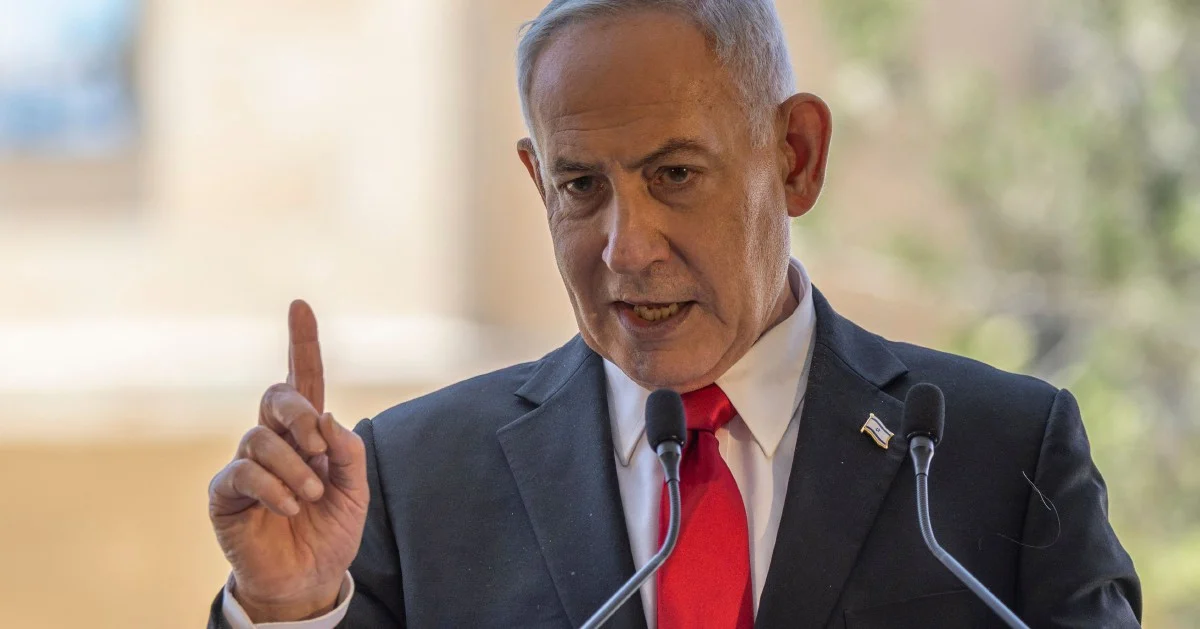
Prime Minister Benjamin Netanyahu's government is moving swiftly to pass a slate of contested bills as the Israeli parliament faces imminent dissolution in preparation for national elections scheduled roughly four months hence, a legislative push that has sparked intense criticism from opposition lawmakers and civil society groups.
The timing of this parliamentary rush reflects a familiar pattern in Israeli politics, where governing coalitions often attempt to consolidate power and advance their legislative agenda during the final weeks before elections are formally called. With the Knesset poised to dissolve within days, the Netanyahu administration faces a compressed window to enact measures that might otherwise face additional scrutiny or delay through normal parliamentary procedures.
For Malaysian and regional observers, the dynamics at play in Israeli politics warrant attention because they illustrate the institutional pressures that emerge within parliamentary democracies when governing coalitions sense their political window closing. The rush to legislate before elections represents both a concentration of executive power and an implicit acknowledgment that the electorate may choose a different government, making this final window particularly significant for determining the legislative landscape that an incoming administration would inherit.
The opposition parties have mounted vigorous campaigns against the proposed bills, characterising them as efforts to entrench particular ideological positions or partisan advantages before a potential change of government. This legislative conflict extends beyond mere partisan disagreement and reflects deeper divisions within Israeli society regarding governance priorities, constitutional matters, and the balance between executive and parliamentary authority.
The compressed timeline compounds the challenges typically associated with legislative scrutiny. Normally, proposed bills undergo multiple readings, committee review, and extended debate that allows for public input and amendment. When governments accelerate this process, the opportunity for thorough examination and deliberation diminishes, a concern that transcends Israeli politics and applies across parliamentary systems globally. Civil rights organisations have raised alarms about the substantive implications of rushed legislation that may not receive adequate public and expert review.
Israel's parliamentary system, like those in Malaysia and other Commonwealth-influenced democracies, permits governing coalitions considerable legislative latitude when they command sufficient votes. However, this institutional reality frequently generates tension with principles of transparency and inclusive debate, particularly when governments employ procedural mechanisms to expedite passage of contested measures. The current situation exemplifies this recurring tension within parliamentary democracies.
The specific bills under consideration address varied policy domains, though details surrounding each proposal remain subject to ongoing dispute between government and opposition representatives. What unites them from the government's perspective is their presumed importance to the current coalition's policy objectives, while opposition members view many as problematic either substantively or procedurally.
For Southeast Asian observers monitoring Israeli politics, the current situation offers insights into how coalitional politics function under electoral pressure. Governments facing imminent elections often prioritise legislation aligned with their political base, sometimes at the expense of broader consensus-building. This dynamic frequently influences subsequent governance relationships and public attitudes toward parliamentary institutions themselves.
The approaching elections themselves remain subject to evolving political calculations. The current parliamentary dissolution represents a significant political event that will reshape Israel's legislative landscape, with implications for regional policy and international relations. The bills being rushed through parliament may substantially influence the priorities and constraints facing whatever government emerges from the electoral process.
Opposition political parties have utilised parliamentary procedures and public advocacy to contest the government's legislative agenda, employing both procedural delays and substantive arguments against specific proposals. This resistance, while ultimately limited by the government's parliamentary majority, demonstrates how minority voices within parliamentary systems attempt to shape outcomes even from subordinate positions.
The broader context of Israeli politics involves long-standing debates regarding constitutional frameworks, minority protections, and the appropriate limits of majoritarian legislative power. The current legislative rush engages these fundamental questions about democratic governance, presenting them in concrete form through specific bills and parliamentary votes rather than abstract constitutional discourse.
As this legislative episode unfolds, Malaysian and regional observers might note parallels to parliamentary dynamics in their own systems, where coalition governments similarly face pressure to advance favoured policies during final legislative sessions before elections or governmental transitions. The Netanyahu government's approach illustrates how institutional rules, electoral calendars, and political incentives combine to shape governance outcomes, a pattern relevant across multiple democratic systems confronting comparable pressures and temporal constraints.

