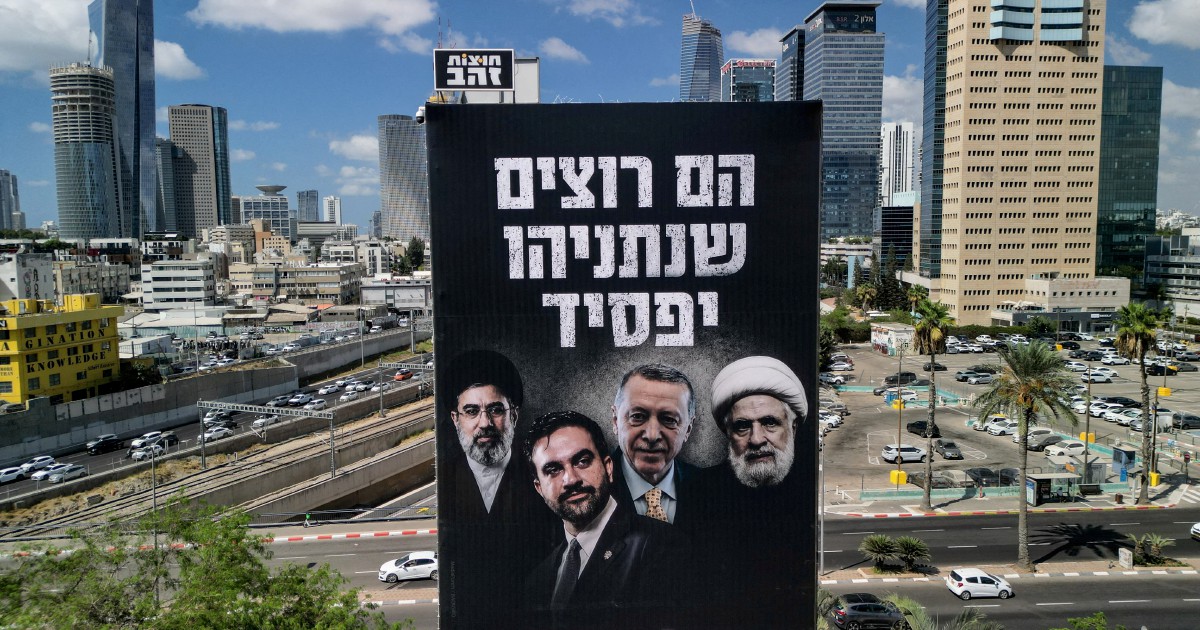
The Likud party concluded its candidate selection process Monday as members voted to determine who would represent the right-wing coalition led by Prime Minister Benjamin Netanyahu in Israel's upcoming October 27 general election. The internal ballot underscores a pivotal moment for Netanyahu's political standing, with his party navigating a landscape markedly different from previous election cycles when the Likud commanded more decisive advantages at the ballot box.
Netanyahu's position has substantially eroded since his party last dominated Israeli elections. The Prime Minister now confronts a fundamentally altered political environment shaped by recent security developments, economic pressures, and shifting voter sentiment across Israel's diverse electorate. This contextual backdrop makes the October contest particularly consequential, as polls consistently indicate a closely competitive race rather than the commanding victory margins the Likud historically achieved under Netanyahu's leadership. The party's internal candidate selection process reflects this reality, with members engaging in spirited competition for promising positions on the electoral list.
The timing of this selection mechanism carries significant weight in Israeli political culture. Likud members' direct participation in choosing parliamentary candidates represents a critical juncture where party grassroots exercise formal influence over the direction of leadership and policy priorities heading into the campaign. This democratic exercise within the party structure contrasts sharply with the highly centralized decision-making that has characterised much of Netanyahu's tenure, suggesting internal recognition that party unity and motivated membership engagement will prove essential given current electoral headwinds.
For regional observers monitoring Israeli politics, the apparent vulnerability of Netanyahu's Likud faction signals broader transformations within the country's political centre-right. Traditionally dominant coalitions have yielded to more fragmented party landscapes, where smaller factions wield disproportionate negotiating power. This fragmentation directly impacts Israeli decision-making on matters ranging from Palestinian territories to regional security arrangements, concerns that resonate throughout Southeast Asia given the Middle East's broader geopolitical significance.
The October 27 election assumes elevated importance for Israeli governance continuity. The Likud's tight competitive position means that coalition-building after the vote will likely prove more complex than in previous cycles. Netanyahu may find himself negotiating with multiple smaller parties to secure governing majorities, potentially requiring compromises on policy positions that he otherwise might resist. Such arrangements historically influence Israel's diplomatic posture and negotiating flexibility on international affairs, developments with implications extending beyond Israel's immediate neighbourhood.
Domestic Israeli challenges have accumulated throughout Netanyahu's political tenure, contributing to the weakened electoral prospects his party now faces. Economic inequality, housing affordability, and healthcare system pressures represent substantive grievances motivating voters to consider alternatives. Additionally, ongoing legal proceedings involving Netanyahu personally have complicated his political narrative, introducing uncertainties that extend beyond typical policy disagreements into questions about governmental stability and institutional integrity.
The security environment constitutes another significant variable reshaping Israeli electoral dynamics. Regional tensions, ongoing military deployments, and diplomatic negotiations demand governmental attention and resources. These considerations filter directly into voter calculations, with Israelis evaluating competing parties' capacity to navigate security challenges effectively. Likud's traditional positioning on security matters remains central to its electoral appeal, yet recent developments have complicated the party's ability to claim exclusive competence in this domain.
For Malaysian observers, Israeli electoral outcomes matter insofar as they influence Middle Eastern stability and regional policy directions. Israel's diplomatic relationships with neighbouring states, humanitarian commitments, and international engagement patterns all flow from its domestic political settlements. A transition in Israeli governance could reshape regional dynamics in ways that Malaysian policymakers monitor closely, particularly regarding Israeli positions toward Palestinian governance and broader Middle Eastern peace frameworks.
The October election also illuminates evolving patterns within global right-wing politics. Netanyahu's Likud represents a particular strain of nationalist, security-focused governance that resonates within certain ideological communities while generating fierce opposition elsewhere. The apparent tightening of this party's electoral margins suggests that even traditionally dominant conservative coalitions face mounting pressure from shifting voter preferences, economic dissatisfaction, and institutional trust deficits. These patterns replicate across numerous democracies internationally, indicating structural changes in electoral behaviour rather than isolated Israeli phenomena.
As campaign season progresses following the candidate selection, both Likud and opposition parties will intensify their competition for voter attention. The October 27 election promises to clarify whether Netanyahu's political dominance remains intact or whether Israeli voters will fundamentally alter their parliamentary composition. The stakes extend beyond Netanyahu's personal political fortunes to encompass Israel's broader governance trajectory, coalition dynamics, and international engagement patterns. For regional stakeholders including Malaysia monitoring Middle Eastern developments, the election's outcome will likely reverberate through diplomatic and security considerations affecting the broader Indo-Pacific strategic environment.

