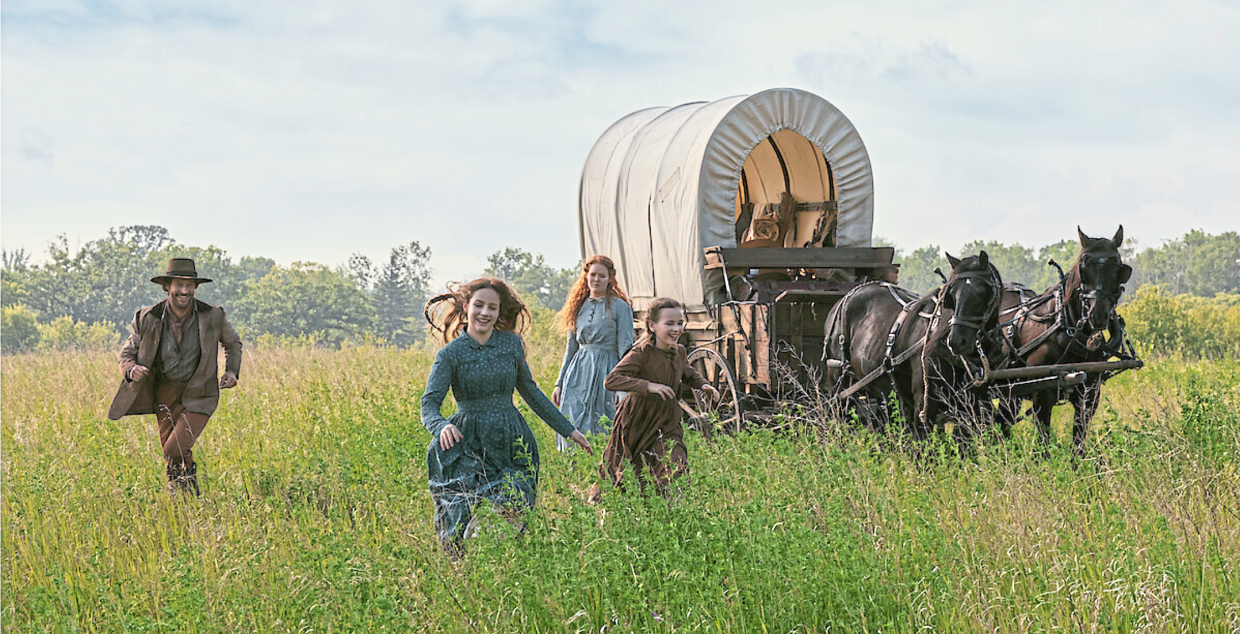
The beloved 1935 novel 'Little House on the Prairie' is returning to screens through Netflix's forthcoming 2026 adaptation, bringing the Ingalls family's frontier story to contemporary viewers. Australian actor Luke Bracey has stepped into the role of Charles Ingalls, the family patriarch, anchoring what showrunner Rebecca Sonnenshine envisioned as a fresh take on Laura Ingalls Wilder's enduring narrative of resilience and familial bonds.
Bracey, reflecting on why the source material continues to resonate across generations, emphasised that the story's universal appeal stems from its authentic portrayal of familial devotion amid adversity. The core narrative—following a pioneer family navigating the challenges of nineteenth-century American frontier life while maintaining their emotional connections—transcends specific time periods and cultural contexts. This timelessness appears deliberate rather than coincidental, suggesting that Wilder's original work tapped into fundamental human experiences that remain relevant regardless of era.
The Netflix production represents the latest in a series of adaptations spanning nearly five decades. The 1970s NBC television series, which maintained its presence on screens until 1983, established a template for bringing the Ingalls family's experiences to mass audiences. That earlier adaptation achieved significant cultural penetration, introducing multiple generations to Laura's coming-of-age journey. Netflix's version builds upon this legacy while positioning itself distinctly for contemporary viewers who may be unfamiliar with previous iterations.
Cast members joining Bracey include Alice Halsey as Laura Ingalls, the narrative's central character; Crosby Fitzgerald as Caroline Ingalls, Laura's mother; and Skywalker Hughes as Mary, Laura's older sister. This ensemble structure allows the production to explore the family dynamic from multiple perspectives rather than focusing solely on Laura's viewpoint. The expanded cast reflects contemporary television's preference for ensemble storytelling, enabling deeper exploration of each family member's experience and psychological development throughout the frontier narrative.
One distinctive element of this adaptation involves its intentional engagement with settler-colonial and Indigenous narratives, a thematic layer absent from earlier versions. By incorporating these perspectives, the production acknowledges historical complexities that previous adaptations largely sidestepped. This approach reflects evolving cultural sensibilities regarding how historical narratives should account for the experiences of Indigenous peoples and the colonial frameworks that shaped frontier expansion. For Southeast Asian audiences, this inclusion may resonate particularly given the region's own colonial histories and ongoing discussions about how such periods are represented and understood.
Halsey, who portrays the young Laura, has articulated how the production prompted reflection on gender restrictions within nineteenth-century American society. Her observation that boys possessed substantially greater privileges, educational opportunities, and social freedoms than girls underscores how the narrative serves educational purposes beyond entertainment. Contemporary viewers, particularly younger audiences in more egalitarian societies, might struggle to comprehend the systemic constraints that confined female ambitions and aspirations during this historical period. Halsey's own inability to pursue her current life path had she actually lived during Laura's era illustrates the dramatic expansion of opportunity that has occurred across generations.
The gendered dimensions of frontier life merit particular examination given the narrative's relevance to understanding how women navigated and eventually challenged restrictive social structures. Laura's story, told through the fictional lens, documents not merely hardship but also agency—the ways individuals carved out meaning and purpose despite limitations imposed upon them. This thematic complexity elevates the narrative beyond simple pioneer adventure, transforming it into a meditation on human resilience within constrained circumstances.
Showrunner Rebecca Sonnenshire helmed the creative vision guiding the adaptation's development and execution. The production achieved a significant milestone when Netflix greenlit a second season renewal prior to the first season's premiere—a strong indicator of the studio's confidence in the project's appeal and quality. This decision typically reflects positive reception during internal screenings or compelling scripts that convinced executives of sustained audience interest beyond the initial episodes.
Skywalker Hughes, occupying the role of Mary, expressed enthusiasm about the production experience and the opportunities created during the first season's filming. Her anticipation regarding returning for additional seasons suggests a collaborative atmosphere and creative satisfaction that extends beyond typical professional obligations. This sentiment carries importance for audience perception; cast enthusiasm frequently translates into on-screen chemistry and performance authenticity that viewers detect and appreciate.
For Malaysian and Southeast Asian viewers, the reboot presents several entry points. Beyond its status as a prestige adaptation of a globally recognized work, the production's engagement with colonial history and Indigenous perspectives offers frameworks for examining how different societies have processed and represented their own historical experiences. The emphasis on family bonds and perseverance amid hardship may particularly resonate within cultural contexts where extended kinship networks and collective resilience remain central to social understanding.
The 2026 release date provides substantial runway for production refinement, post-production work, and strategic marketing positioning. Netflix's investment in this particular adaptation, evidenced by the early renewal, suggests the streaming platform views historical dramas with literary pedigrees as valuable tent-pole content. The success of this production could establish a model for revitalizing other classic novels through contemporary adaptations that balance fidelity to source material with updated creative sensibilities regarding representation and narrative complexity.
As audiences await the premiere, the production stands positioned between legacy and innovation—respecting the foundational work of Wilder's novel and the cultural imprint of the 1970s series while introducing contemporary thematic concerns and production standards. Whether this balance proves satisfying to established fans while attracting new viewers will ultimately determine whether this adaptation becomes merely another version or achieves its own cultural resonance.

