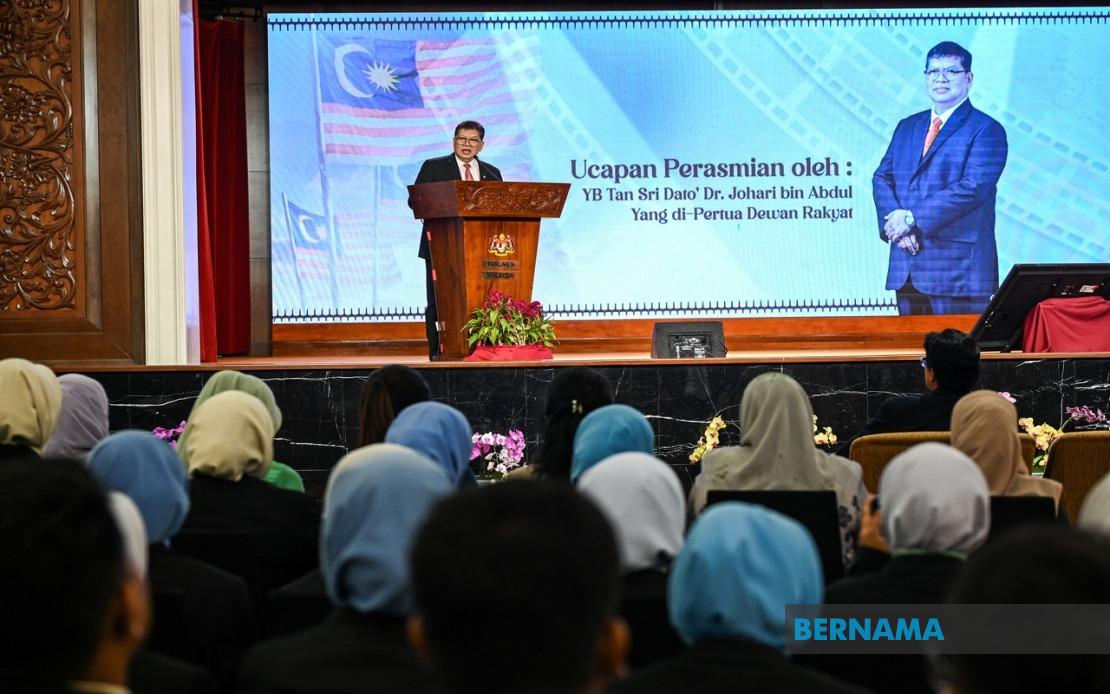
A specially produced short film titled "Arkitek Bangsa" was unveiled at Parliament today as part of a broader initiative to inspire the next generation of Malaysian leaders and instil a deeper sense of national identity and patriotism. The screening, held at the Parliament Building in Kuala Lumpur on July 16, marks another step in Parliament's concerted effort to engage young people in the nation's democratic institutions and foster their understanding of their role in building the country's future.
Parliament's leadership has emphasised that young Malaysians must recognise their potential to shape the nation's destiny rather than remaining passive observers of national development. At the press conference following the screening, parliamentary officials stressed that leadership capacity is not an innate quality reserved for a select few, but rather a skill that must be deliberately cultivated through exposure to real-world examples, mentorship, and structured training programmes. This philosophy underpins the messaging of the "Arkitek Bangsa" production, which positions every young person as a potential architect capable of constructing something meaningful for Malaysia.
The film's release complements an expanding ecosystem of youth engagement initiatives already operating under Parliament's oversight. The Parliament School Programme has proven particularly successful, having facilitated visits by 1,057 schools to date. These visits provide students with firsthand exposure to how Malaysia's legislative institutions function, demystifying the democratic process and helping younger generations understand the mechanics of governance. By bringing students directly into the parliamentary chamber and committee spaces, the programme attempts to bridge the gap between classroom civics lessons and the living reality of democratic practice.
Beyond the school visits, Parliament is actively strengthening the Youth Parliament itself, which serves as a training ground for aspiring young politicians and civic leaders. The membership has been expanded from 100 to 222 participants, significantly increasing the number of young people who gain direct experience in legislative deliberation. Importantly, the organisers have also introduced a proportional representation electoral system for selecting Youth Parliament members, a move designed to ensure that the body better reflects the diversity of Malaysia's youth population and provides more equitable opportunities for participation across different demographic groups and regions.
Parliament's engagement with the National Service Training Programme (PLKN) represents another dimension of this youth development strategy. Through a specially constituted select committee, Parliament maintains an active role in shaping how PLKN participants learn about national values, civic responsibilities, and the structures of governance. This involvement ensures that the military training component of national service is complemented by exposure to democratic institutions and constitutional principles.
The message embodied in "Arkitek Bangsa" carries particular weight in the Malaysian context, where concerns about generational understanding of the nation's founding principles and social contract have periodically surfaced. Officials emphasise that young people should feel ownership of their national identity and take genuine pride in their birthright as Malaysian citizens. The analogy deployed in promotional messaging is instructive: while constructing a national edifice requires sustained effort over years, its destruction can occur rapidly through neglect or division. This framing seeks to impart a sense of stewardship to young people, suggesting that maintaining national stability and cohesion demands their active commitment and vigilant participation.
The film is intended for widespread distribution across government ministries and agencies engaged in nation-building activities. By embedding the "Arkitek Bangsa" material into existing youth programmes, government bodies can amplify its reach and reinforce its messages across multiple platforms and demographic segments. This distributional strategy reflects a recognition that messaging about national pride and leadership aspirations will be most effective when delivered consistently and reinforced through multiple channels and trusted institutional sources.
A central theme of the initiative is fostering intergenerational respect and historical consciousness among young Malaysians. Officials have highlighted the importance of younger citizens understanding and appreciating the sacrifices and contributions made by previous generations in building the nation. This emphasis on historical consciousness responds to concerns that rapid social change and the predominance of digital communication networks have sometimes resulted in younger Malaysians losing sight of the struggles and achievements that preceded their own lifetimes. By grounding contemporary leadership aspirations in historical narrative, Parliament seeks to create a sense of continuity and responsibility.
The National Film Development Corporation Malaysia (FINAS) involvement in producing the "Arkitek Bangsa" short film reflects a strategic deployment of creative media to achieve nation-building objectives. Rather than relying solely on traditional civic education delivered through textbooks or classroom instruction, Parliament has recognised the persuasive potential of visual storytelling and cinematic narrative. This approach aligns with international best practices in youth engagement, where engaging media formats often prove more effective at capturing attention and shaping attitudes than conventional educational methodologies.
The broader implications of this initiative extend beyond immediate youth engagement to questions about how Malaysia's political institutions are positioning themselves in relation to younger voters and future citizens. By investing substantially in direct outreach to young people and creating multiple pathways for their participation in democratic processes, Parliament is attempting to build legitimacy and relevance among demographics that have sometimes expressed disengagement from traditional politics. The success of these programmes will likely influence how parliamentary institutions evolve their communication and engagement strategies in coming years.

