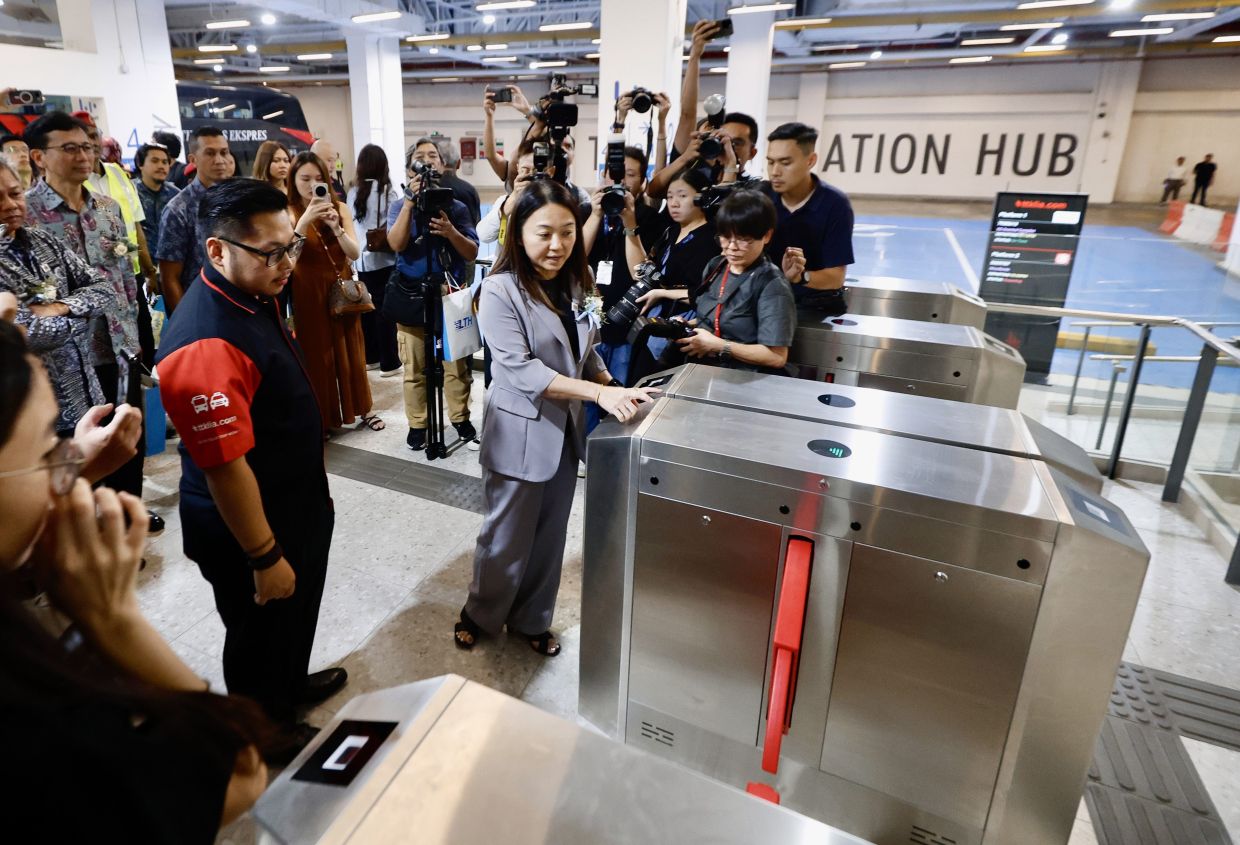
A major new transportation facility has opened its doors in Kuala Lumpur's Bukit Bintang district, designed to streamline bus services and ease congestion across the capital's increasingly strained mobility network. The LaLaport Transportation Hub at Bukit Bintang City Centre officially began operations with approximately 30 bus operators consolidating their services at the single location, representing a significant shift towards coordinated urban transit management.
Minister in the Prime Minister's Department (Federal Territories) Hannah Yeoh launched the hub on Thursday, July 16, emphasising the facility's role in providing structured boarding and alighting infrastructure for express bus passengers navigating Malaysia's bustling capital. The minister's remarks underscore growing government focus on addressing transport challenges as Kuala Lumpur grapples with increasing vehicular volumes and mobility demands that strain existing systems.
Operating data from Kuala Lumpur City Hall (DBKL) frames the urgency of coordinated transport solutions in the metropolitan area. The city experiences approximately 1.2 million vehicle entries daily, coupled with 5.5 million inbound and outbound journeys, statistics that illustrate the sheer magnitude of human movement through the capital. These figures represent more than mere traffic counts; they signal underlying capacity challenges and the critical need for viable alternatives that reduce reliance on private vehicles.
The hub itself occupies Level LG1 of LaLaport's East Atrium, strategically positioning it as an accessible interchange point for commuters. The facility includes 11 dedicated bus bays designed to prevent haphazard parking and improve traffic flow, complemented by modern amenities including an air-conditioned waiting lounge, multiple ticketing counters, self-service payment machines, and real-time passenger information displays. These infrastructure elements address practical passenger comfort while simultaneously enhancing operational efficiency for bus operators.
Initial capacity projections suggest the hub will serve approximately 3,000 passengers daily, though design specifications permit expansion to accommodate 10,000 daily users. This scalability reflects planning anticipation of growing demand and increasing acceptance of organised public transport solutions among Kuala Lumpur residents and commuters. The phased operational approach, which began in February under licensing from the Land Public Transport Agency (Apad), allowed gradual integration of bus operators while refining service coordination.
Geographic positioning amplifies the hub's strategic value within Kuala Lumpur's broader transit ecosystem. Situated adjacent to the Hang Tuah interchange, the facility enables seamless passenger transfers to the LRT and Monorail networks through covered pedestrian pathways, eliminating weather-related inconvenience and creating integrated journey options. This connectivity transforms the hub beyond a simple bus station into a genuine multimodal transportation nexus, allowing passengers to combine bus services with rapid rail alternatives.
Beyond conventional bus operations, the transportation complex offers diversified mobility services reflecting evolving urban commuting patterns. Airport shuttle van services operate to KL International Airport's Terminals 1 and 2, addressing connectivity between the city and its aviation gateway. Demand-responsive transport (DRT) services cater to flexible routing requirements, while designated zones for traditional taxis and e-hailing vehicles such as Grab integrate the proliferation of ride-hailing platforms into the formal transport infrastructure.
The LaLaport hub's development reflects broader regional trends towards consolidating fragmented transport services under unified management frameworks. Throughout Southeast Asia, major cities increasingly recognise that uncoordinated mobility creates inefficiencies, passenger frustration, and persistent gridlock. By concentrating 30 bus operators within a single managed facility, Kuala Lumpur demonstrates commitment to organisational integration that benefits both service providers and users.
For Malaysian commuters and transport analysts, the hub represents tangible infrastructure investment in alternatives to private vehicle use. As road congestion continues escalating and environmental concerns mount, consolidated transport facilities offering multiple service options become essential components of liveable city systems. The facility's modern amenities and integrated design signal that public transport in Malaysia's capital can compete with personal vehicle convenience.
The phased operational approach since February also provides valuable data regarding actual passenger volumes, operator cooperation mechanisms, and service reliability metrics. This real-world evidence informs future expansion decisions and helps identify operational refinements required before capacity scaling. Sustained monitoring will reveal whether the initial 3,000 daily passenger projection accurately reflects demand or whether the hub rapidly approaches its 10,000-user capacity ceiling.
Regional context adds significance to this development. Neighbouring cities including Bangkok, Singapore, and Ho Chi Minh City have invested substantially in integrated transport infrastructure. Kuala Lumpur's new hub positions Malaysia competitively within regional urban development conversations, demonstrating contemporary approaches to metropolitan mobility challenges. The facility exemplifies how governments can facilitate private operator coordination while improving passenger experience through strategic infrastructure investment.
Looking forward, the LaLaport hub's success will influence whether similar facilities emerge across Kuala Lumpur and extend into other Malaysian cities. Future developments may demonstrate pathways for replicating this model in Penang, Johor Bahru, and other metropolitan centres experiencing comparable congestion pressures. Success metrics will encompass passenger adoption rates, operator participation consistency, and measurable reduction in private vehicle journeys attributable to enhanced public transport viability.

