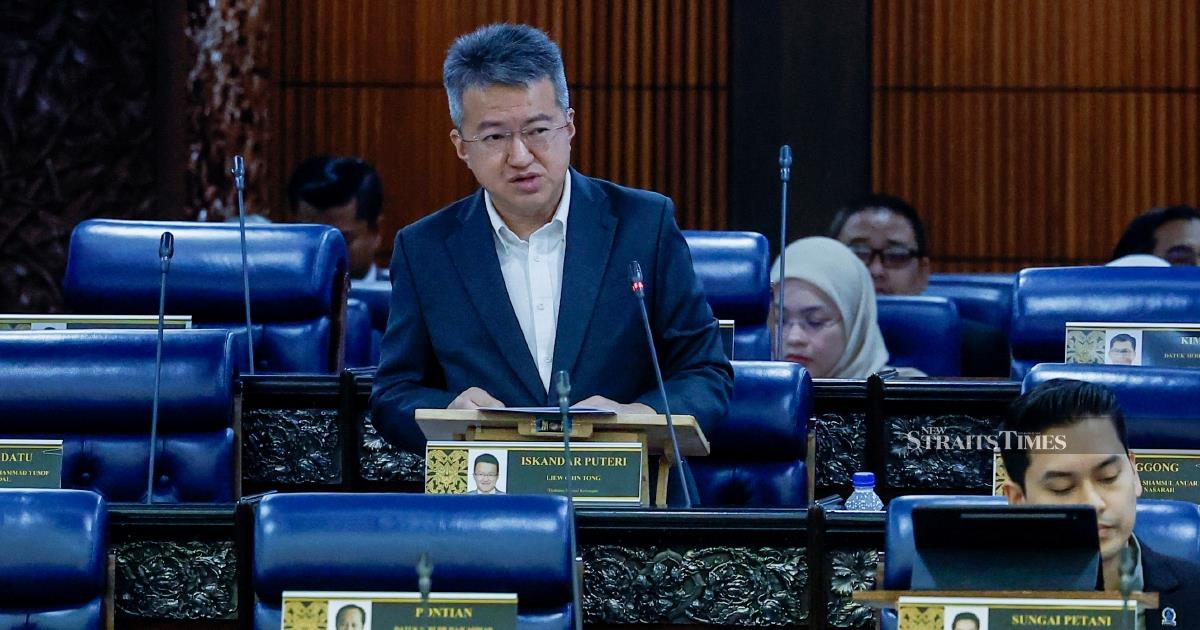
Malaysia's parliament has approved new legislation governing the Kumpulan Wang Amanah Negara (KWAN), a key sovereign wealth mechanism, introducing stringent safeguards designed to prevent future unilateral withdrawals. The legal overhaul directly responds to a significant institutional vulnerability laid bare in 2021, when RM5 billion was drawn from the fund without adequate parliamentary oversight, prompting wider questions about governance standards across Malaysia's financial system.
The 2021 withdrawal occurred during a period of considerable economic strain, when the nation grappled with pandemic-related fiscal pressures. That transaction exposed fundamental weaknesses in the existing regulatory framework governing how such substantial sums could be accessed from what is meant to be a strategically managed national asset. Policymakers and observers questioned whether the existing safeguards truly reflected the intended custodianship of public resources, or whether institutional architecture had failed to keep pace with modern governance expectations.
The newly enacted legislation represents a significant recalibration of parliamentary control over sovereign fund management. Rather than permitting withdrawals through administrative channels or limited consultation, the revised framework now mandates that any future drawdown from KWAN requires an explicit resolution passed by the Dewan Rakyat. This threshold substantially elevates the procedural burden on any government seeking to access these reserves, embedding democratic scrutiny directly into the mechanism itself.
For Malaysian stakeholders, the implications extend beyond mere procedural formality. Instituting parliamentary approval as a prerequisite reflects broader international trends toward enhanced transparency in sovereign wealth governance. Countries across Asia and beyond have increasingly recognised that public resources require multilayered oversight, particularly when withdrawals might serve short-term budgetary needs rather than strategic, long-term national objectives. Malaysia's legislative correction aligns the KWAN framework more closely with such contemporary best practices.
The 2021 incident had triggered substantive debate about institutional accountability within Malaysia's financial governance architecture. Critics noted that the ability to withdraw significant sums from a national trust fund with minimal parliamentary involvement contradicted principles of public accountability that should undergird stewardship of state assets. The new legislation implicitly acknowledges those concerns, recalibrating the balance between executive flexibility and legislative oversight.
Fromthe perspective of institutional confidence, the legislative amendment carries psychological and practical weight. Investors and observers increasingly scrutinise how nations manage sovereign resources; demonstrating robust parliamentary controls over fund withdrawals signals mature governance standards and commitment to transparent resource stewardship. This reassurance matters particularly for a nation seeking to maintain investor confidence across regional and global markets.
The requirement for Dewan Rakyat resolution introduces temporal friction into the withdrawal process that serves deliberate purposes. Rather than enabling rapid, discretionary access to reserves, the legislative framework now necessitates formal parliamentary procedures, debate, and recorded voting. Such visibility creates accountability mechanisms that deter casual or politically motivated drawdowns, channelling urgent fiscal needs toward alternative financing mechanisms or requiring explicit democratic endorsement.
Southeast Asian perspectives on sovereign fund governance have evolved considerably as regional economies have matured. Several neighbouring jurisdictions maintain similarly structured national reserves, and Malaysia's legislative strengthening of KWAN controls reflects regional recognition that democratic societies must institutionalise restraint on executive power to access strategic assets. The amendment demonstrates that Malaysia is attentive to evolving governance standards within the region.
The closure of this particular loophole must be understood as part of broader institutional learning. The 2021 withdrawal operated within existing legal parameters, suggesting that gaps lay not in explicit violation but in inadequate preventative architecture. By requiring parliamentary resolution for future access, the legislation shifts from reactive oversight to structural prevention, fundamentally altering how the mechanism can be utilised.
Looking forward, the legislation establishes clearer expectations for KWAN management while signalling to fiscal planners that major withdrawals cannot proceed through administrative convenience. This encourages government budgeting discipline, since accessing the fund now carries explicit political cost and visibility. Rather than functioning as a hidden reserve for managing unexpected deficits, KWAN becomes a strategically managed asset subject to transparent parliamentary decision-making.
The amendment also reflects maturing institutional recognition that constitutional and legal frameworks must evolve to address gaps revealed by practice. When circumstances expose regulatory vulnerabilities, sound governance requires prompt legislative correction rather than reliance on conventions or goodwill. Malaysia's response to the 2021 withdrawal through formal legislation exemplifies such institutional adaptation.
For Malaysian citizens and businesses, the reforms reinforce confidence that public resource stewardship operates under meaningful constraints and oversight mechanisms. Whether evaluating government fiscal credibility or assessing Malaysia's position as a destination for international investment, stakeholders can point to parliamentary controls over sovereign fund access as evidence of institutional maturity and commitment to transparent governance practices.

