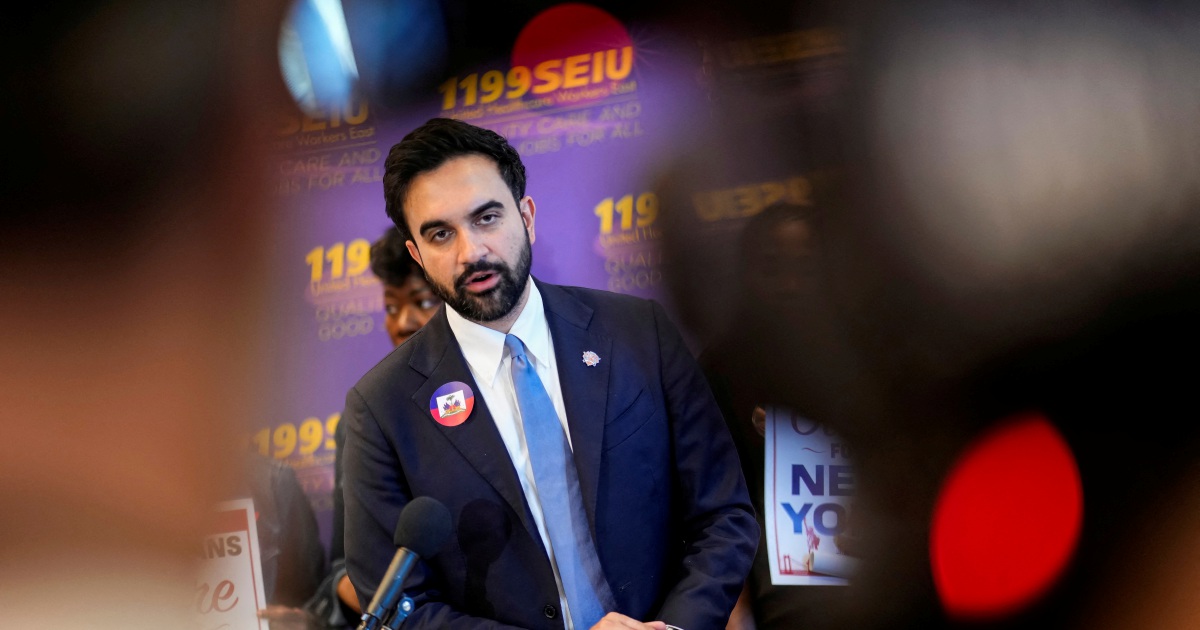
New York Mayor Zohran Mamdani has disclosed that municipal authorities are actively considering whether to attempt the arrest of Israeli Prime Minister Benjamin Netanyahu when the latter visits for the UN General Assembly meeting, according to remarks made in a weekend interview. The revelation has triggered a forceful response from Netanyahu's representatives, highlighting the deep tensions surrounding Israeli-Palestinian issues and their spillover into diplomatic forums.
The prospect of such an arrest attempt underscores the fraught geopolitical landscape that engulfs New York City when international leaders gather at the United Nations headquarters. The municipality's contemplation of taking action against a sitting premier reflects broader domestic pressures and competing legal frameworks that intersect during high-profile UN sessions. These gatherings routinely raise thorny questions about national sovereignty, immunity, and the jurisdiction of local authorities over foreign dignitaries.
For Malaysian readers and Southeast Asian observers, this development carries particular resonance given the region's ongoing engagements with both Israeli and Palestinian interests. The situation illustrates how Israeli-Palestinian conflicts increasingly reverberate beyond the Middle East, influencing diplomatic protocols and straining traditional conventions governing the treatment of foreign leaders in neutral international venues. The tension between local political pressures and diplomatic immunity represents a recurring challenge in the modern multilateral order.
The timing of Mamdani's comments comes amid intensifying scrutiny of Israel's military operations and their humanitarian dimensions. Political movements in Western cities, including New York, have mobilised around calls for accountability for alleged violations during recent conflicts. Local elected officials face mounting constituent demands to take visible stands on these issues, creating pressure to pursue legal avenues even when doing so challenges established diplomatic norms.
Netanyahu's office has responded sharply to the mayor's statements, viewing any arrest attempt as a profound violation of protocol and an infringement on the privileges accorded to heads of government attending UN sessions. The incident exposes a fundamental collision between universal principles of diplomatic immunity and increasingly assertive domestic political movements seeking concrete action on international justice matters. This tension reflects broader societal divisions regarding Israel's policies and the legitimacy of different enforcement mechanisms.
The United States maintains longstanding obligations to provide security and protection for dignitaries attending UN meetings on American soil. Any attempt by local authorities to circumvent these arrangements would precipitate a severe constitutional and diplomatic crisis, potentially undermining America's role as host of the international body. The federal government would likely intervene decisively to prevent such an occurrence, creating a cascade of competing legal and political pressures.
From a Southeast Asian perspective, the episode serves as a reminder of how localised political movements can challenge traditional diplomatic structures. Several countries in the region have witnessed similar tensions between grassroots activism and state-level adherence to international protocols. The Malaysian context, where diverse constituencies hold strong views on Palestinian rights and Israeli policies, demonstrates how these debates resonate across the developing world and among Muslim-majority populations globally.
The situation also illuminates evolving attitudes toward international law and accountability mechanisms. Proponents of legal action against Israeli officials argue that diplomatic immunity should not shield individuals from prosecution for alleged crimes against humanity or war crimes. This perspective has gained currency among civil society movements and progressive political constituencies, particularly in Western democracies. However, the practical implementation of such positions remains extraordinarily complicated within the existing international order.
For diplomatic observers across Asia, the New York mayor's deliberations highlight how the Israeli-Palestinian conflict increasingly influences the operations of international institutions that ostensibly maintain neutrality. The UN summit provides a critical venue for global leaders to address collective security challenges, climate change, development, and other universal concerns. When domestic political considerations threaten to derail these proceedings or create security complications, the entire multilateral system faces stress.
The episode raises fundamental questions about the future architecture of international diplomacy. If local authorities in host countries begin systematically challenging diplomatic immunity or attempting arrests of visiting officials, the entire framework governing UN meetings and similar gatherings would require restructuring. Most nations, regardless of their stance toward Israel or any other country, maintain a vested interest in preserving protocols that protect their own leaders during international travel and engagement.
As the UN General Assembly approaches, the situation remains fluid, with Mamdani's comments generating sustained debate among legal experts, diplomatic practitioners, and political stakeholders. The outcome of these deliberations will signal important lessons about the relationship between electoral politics, international law, and diplomatic practice. For Southeast Asian countries navigating complex relationships with multiple powers and constituencies, such precedents carry implications for how their own leaders might be treated during international engagements.

