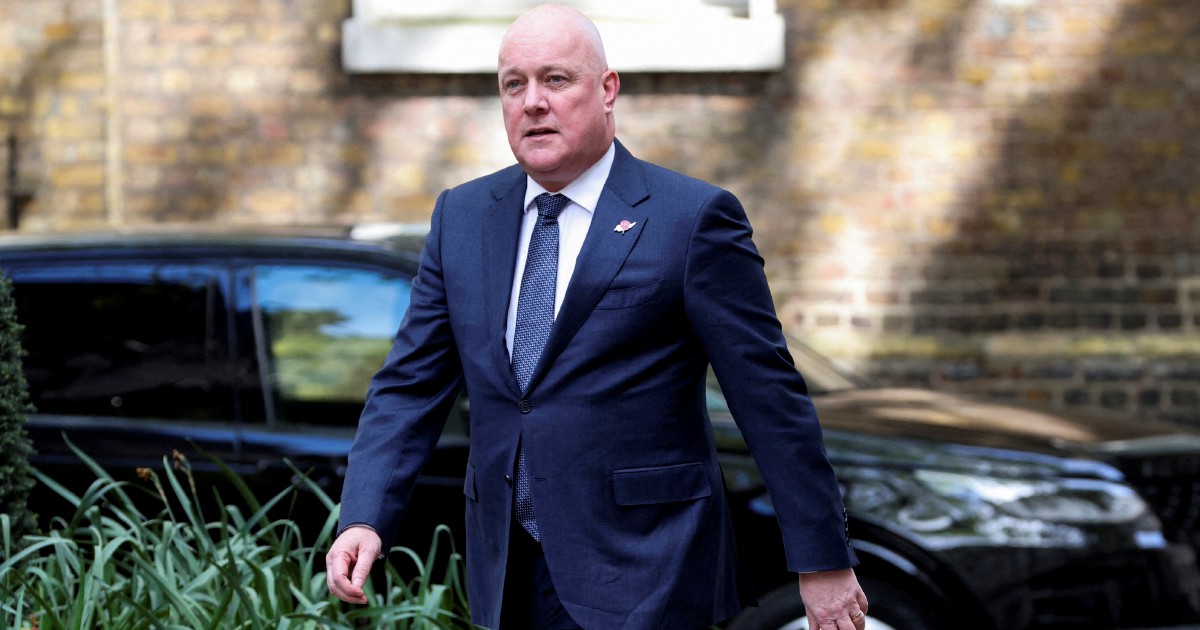
New Zealand Prime Minister Christopher Luxon has weathered an internal party challenge and emerged with confirmed support from the National Party, positioning himself to lead the coalition government into a general election scheduled within the coming months. The leadership contest, which materialised unexpectedly during a critical phase of the political calendar, reflected broader tensions within the ruling coalition and concerns about the government's policy direction.
Luxon's assertion that he enjoys the "full support" of his National Party caucus comes as the country approaches a pivotal electoral moment. The timing of the challenge, arriving so close to the campaign period, underscores the precarious political environment in which governing parties must balance maintaining internal cohesion with addressing voter concerns about economic performance and social policy. For Malaysian observers, the situation mirrors periodic leadership tests within dominant political coalitions across Southeast Asia, where internal unity becomes crucial when facing electoral contests.
The circumstances triggering the challenge reflect frustrations that have accumulated within the National Party's parliamentary contingent. Economic headwinds, policy implementation difficulties, and perceived momentum shifts in public opinion likely contributed to doubts about whether Luxon represented the best electoral strategy moving forward. Such moments of internal reckoning often prompt parties to reassess their leadership choices, weighing incumbent experience against perceptions of electoral viability.
Luxon's survival of this test provides immediate stability for the governing coalition. A change in leadership so close to an election would have created substantial disruption, requiring the new leader time to establish themselves with voters while simultaneously campaigning. The confirmed backing from his party colleagues indicates that despite any reservations, sufficient numbers concluded that continuity offered better electoral prospects than a leadership transition at such a critical juncture.
The challenge also reflects the increasingly volatile nature of contemporary politics across developed democracies. Prime ministers who once enjoyed lengthy tenures now face renewed scrutiny at shorter intervals, with backbench movements more readily mobilised when polling suggests vulnerability. In New Zealand's context, a three-year term structure means governments must maintain internal discipline throughout their full parliamentary period, as challenges can emerge at any point.
For the National Party organisation, the resolution removes a significant distraction that threatened to dominate media coverage during the campaign period. Ongoing speculation about leadership stability would have provided opposition parties with opportunities to characterise the government as internally divided and unfocused on core policy objectives. By definitively resolving the matter, Luxon and the party can now direct attention toward articulating their election platform and differentiating themselves from opposition alternatives.
The broader implications extend to how coalition governments manage their relationships during electoral periods. New Zealand's current governing arrangement involves multiple parties with distinct constituencies and policy priorities, necessitating careful navigation of competing interests. A leadership change could have unsettled these delicate balances, potentially forcing renegotiation of coalition arrangements or sparking doubts among coalition partners about the government's coherence.
Luxon's continued leadership also maintains a consistent face for the government's economic management narrative. Regardless of external circumstances, voters often assign credit or blame for economic conditions to the sitting prime minister. Maintaining leadership continuity allows the government to sustain its messaging about economic stewardship without the complication of projecting a new image to voters already forming judgments about incumbency.
The episode demonstrates that even in stable parliamentary democracies with established institutional norms, leadership vulnerability persists when political conditions deteriorate. Luxon's confirmation of support suggests his party judged that replacing him would pose greater risks than continuing with his leadership through the election campaign. This calculation reflects confidence that despite current challenges, Luxon remains the stronger electoral option compared to available alternatives within the National Party.
Looking ahead, the resolution establishes a clearer trajectory for New Zealand's campaign period. Voters will now focus on policy platforms and performance assessments rather than speculation about potential leadership transitions. The government enters the final campaign phase with internal authority questions largely settled, enabling party and coalition leaders to concentrate on presenting their record and vision for the next parliamentary term to an electorate preparing to make its electoral choices.

