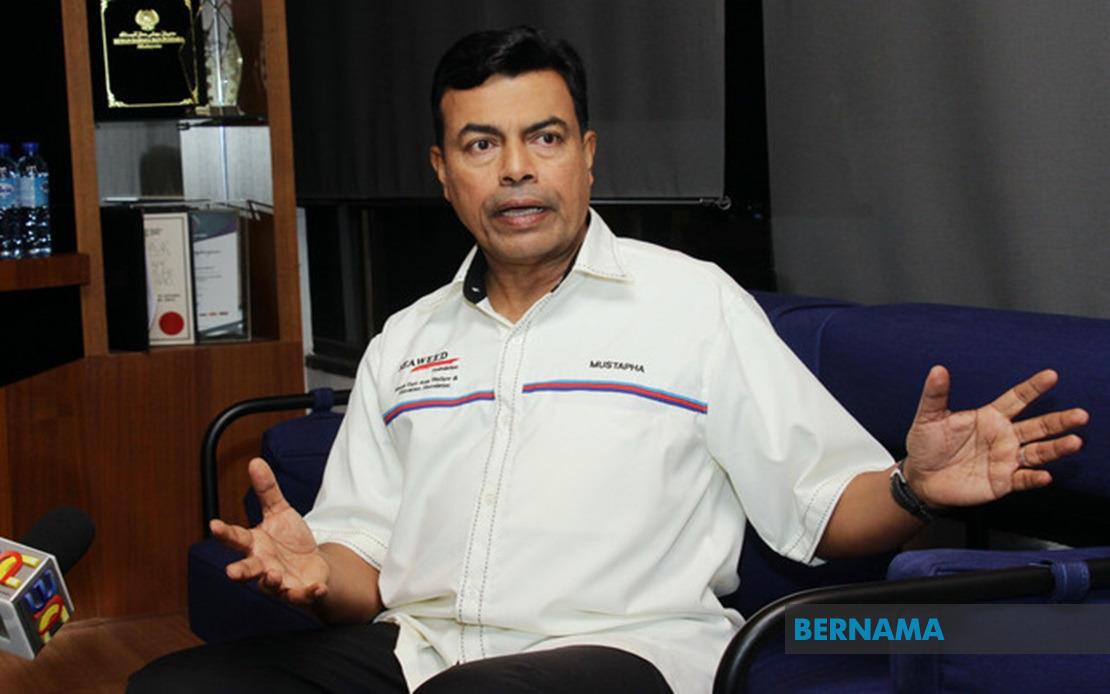
The South East Asia Welfare and Education Foundation has called for Malaysia to establish a specialised agency tasked with overseeing student safety and welfare across schools, arguing that such a structure would alleviate the mounting pressures on educators while creating a more systematic approach to protecting young people. Datuk Dr Mustapha Ahmad Marican, chairman of the foundation, outlined his recommendation following concerns about disciplinary challenges, bullying incidents, and gang-related activities that continue to threaten the security and well-being of students throughout the country.
The proposed body could either sit within the Education Ministry's existing framework or operate as an independent entity with clearly defined powers and operational responsibilities, according to Marican. This flexibility in structure reflects an understanding that different governance models might suit Malaysia's unique educational landscape while achieving the core objective of centralised oversight. The foundation emphasises that such an arrangement would move beyond the current system where schools bear the primary responsibility for managing safety issues, often stretching already-taxed administrative and teaching resources.
Marican pointed to international precedent to strengthen his argument. Both the United Kingdom and Australia have established dedicated agencies or comprehensive legal frameworks specifically designed to monitor and enforce student safety standards in educational institutions. These models have demonstrated measurable success in creating consistent protocols across diverse school environments and establishing clear accountability mechanisms. The existence of proven systems elsewhere suggests that Malaysia need not develop entirely novel approaches but could adapt and contextualise these established practices to suit local circumstances and cultural contexts.
A centralised oversight body would enable more systematic monitoring of school safety rather than relying on fragmented institutional efforts, Marican explained to the news agency. Currently, schools manage safety issues through individual policies and staff capacity, which inherently creates inconsistencies and gaps. A dedicated agency could establish uniform standards, conduct regular audits, and ensure that best practices are shared across all educational institutions regardless of location or resources. This standardisation would be particularly beneficial for schools in less urbanised areas that may lack access to specialist resources.
The NGO's recommendations extend beyond administrative restructuring to address specific safety concerns that have become increasingly visible in Malaysian schools. Bullying represents a significant challenge, with documented cases resulting in physical injury and psychological harm to students. Gang-related activities similarly pose direct threats to campus security and student welfare. By consolidating responsibility for these issues within a dedicated body, Malaysia could implement more coherent prevention and intervention strategies rather than addressing problems reactively at the school level.
Marican emphasised that bullying incidents causing physical injury to students warrant serious intervention and demand swift, decisive action to strengthen overall school safety systems. Current responses, he suggested, often lack the coordination and resources necessary to effectively deter future incidents or support affected students. A specialised agency could mandate consistent reporting requirements, establish trauma support protocols, and track patterns that might reveal systemic issues requiring broader intervention. This data-driven approach would enable policy-makers to direct resources where they are most needed.
The foundation has also advocated for comprehensive research into bullying phenomena within the Malaysian context, with particular attention to the psychological dimensions affecting students' mental health outcomes. Understanding the underlying causes of bullying—ranging from socioeconomic pressures to unmet emotional needs—would enable more targeted and effective prevention strategies. Current approaches often focus on punishment rather than addressing root causes, potentially missing opportunities to interrupt cycles of harmful behaviour before they become entrenched.
Regular inspections of student belongings represent another practical recommendation from the foundation. Marican specifically highlighted the need for systematic bag checks to prevent weapons such as knives or other dangerous implements from being brought onto school grounds. While potentially controversial from privacy perspectives, such inspections serve as a deterrent and physical barrier to weaponised violence. The foundation argues that this preventive measure, implemented consistently and transparently across all schools, would significantly reduce the risk of serious harm during school hours. Clear protocols and communication with students and parents could address legitimate concerns while maintaining the security imperative.
The establishment of a dedicated safety agency would necessarily shift some burden away from teachers, who currently navigate disciplinary responsibilities alongside their primary instructional duties. This rebalancing would allow educators to focus on their core function of teaching while delegating specialised safety and welfare matters to trained professionals with specific expertise. Such separation of responsibilities reflects modern understandings of institutional efficiency and recognises that managing complex behavioural and safety issues requires specialist knowledge beyond standard teacher training.
For Malaysian schools and the broader education system, such an institutional shift would signal a commitment to treating student safety as a fundamental priority rather than a secondary concern managed in parallel with academic programmes. It would establish accountability mechanisms, create consistency in responses to safety issues, and provide schools with external support and guidance rather than expecting individual institutions to solve these problems independently. The proposal reflects international best practices while acknowledging Malaysia's specific context and challenges.
The foundation's recommendations occur within a broader regional conversation about student welfare and school safety across Southeast Asia. Many countries in the region grapple with similar challenges around bullying, gang activity, and weapon-related incidents in schools. A Malaysian model could potentially inform discussions in neighbouring countries while establishing local expertise in managing these complex issues. Implementation would require careful planning, adequate resourcing, and coordination between the Education Ministry, schools, civil society, and law enforcement agencies.

