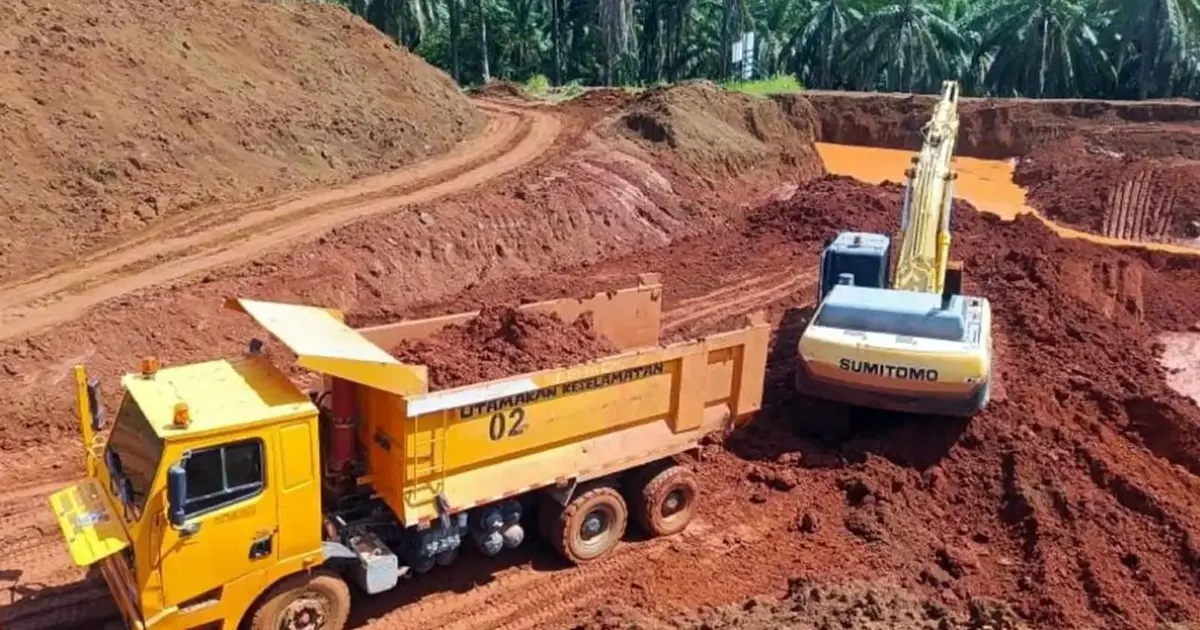
A major enforcement operation has resulted in the detention of nine individuals suspected of orchestrating illegal bauxite extraction activities on a Felda plantation. The General Operations Force led the coordinated raid, which also resulted in the seizure of approximately RM3.75 million in assets connected to the mining operation. The suspects, including nine foreign nationals, are believed to have been systematically extracting and processing bauxite ore without proper authorization, representing a significant breach of Malaysia's mining regulations and environmental protection standards.
The raid underscores the escalating problem of unauthorised mineral extraction in Malaysia, particularly in agricultural zones designated for conventional farming and development. Bauxite, the primary ore from which aluminium is derived, has become an increasingly attractive target for illegal mining syndicates due to global demand and market prices. The concentration of such illicit activity within Felda-managed land is particularly concerning, as these federal land development schemes are meant to be strictly regulated and monitored for sustainable use.
The seizure of RM3.75 million in assets provides insight into the financial scale and profitability of these illegal operations. This figure encompasses equipment, machinery, vehicles, and potentially processed material or cash proceeds accumulated from the unauthorised mining activities. The substantial asset value indicates that these were not small-scale opportunistic operations but rather organized ventures requiring significant capital investment and coordination, suggesting involvement of criminal syndicates with established distribution networks.
Foreign involvement in the operation raises additional concerns about transnational criminal networks exploiting Malaysia's resources. The presence of nine foreign nationals among those arrested suggests potential connections to international smuggling rings or foreign-based criminal organizations that have identified Malaysia as a vulnerable market for resource extraction. This pattern has been observed across Southeast Asia, where neighbouring countries have similarly grappled with organized illegal mining operations, often involving cross-border criminal elements.
Illegal bauxite mining carries profound environmental consequences that extend beyond simple regulatory violations. The extraction process typically involves large-scale land disturbance, removal of topsoil and vegetation, and contamination of water sources through mining runoff. Within agricultural lands like Felda plantations, such activities compromise soil quality and groundwater resources needed for legitimate farming operations, potentially undermining the livelihoods of genuine plantation workers and smallholders.
The General Operations Force's involvement reflects the seriousness with which authorities treat these operations. This paramilitary agency typically handles matters requiring enhanced security coordination and tactical enforcement capabilities, indicating that either operational complexity or security risks warranted their deployment rather than standard enforcement by civil mining authorities.
Malaysia's bauxite sector has faced regulatory challenges in recent years. The country possesses substantial bauxite reserves, particularly in Peninsular Malaysia, and legitimate mining operations contribute significantly to the nation's mineral export revenues. However, the gap between authorized and illegal operations has widened, with criminal syndicates exploiting inadequate monitoring in remote areas and insufficient penalties to deter continued involvement. The problem is further complicated by the involvement of corrupt officials or complicit landholders who facilitate illegal access to mining sites.
For the broader Southeast Asian region, this enforcement action represents part of a wider struggle to protect natural resources from criminal exploitation. Countries including Indonesia, Thailand, and Vietnam have similarly deployed major operations against illegal mining networks. The regional nature of these criminal enterprises means that disrupting one operation may simply displace activities to neighbouring jurisdictions unless coordinated international enforcement efforts are strengthened.
The implications for Malaysia's resource management are significant. Felda plantations are economically important agricultural enterprises, and compromising their productivity through illegal mining creates pressure on legitimate agricultural output. Additionally, uncontrolled bauxite extraction outside official channels means lost government revenue and taxation, reducing funds available for infrastructure and social development. The operation demonstrates vulnerabilities in enforcement systems, even within supposedly controlled and monitored land development schemes.
The investigation into those arrested is ongoing, with authorities likely examining supply chains, customer networks, and financial transactions to dismantle broader criminal networks beyond those directly detained. Authorities typically pursue charges related not only to illegal mining but also money laundering, organized crime statutes, and environmental offences, which can carry substantially heavier penalties. Successful prosecution will partly depend on whether authorities can establish organizational hierarchy and connections to larger criminal enterprises operating across multiple sites.
This enforcement action will likely prompt reviews of security protocols at Felda facilities and potentially increased surveillance and monitoring mechanisms. The significant asset seizure may also serve as a deterrent, as publicizing the confiscation of valuable equipment and proceeds demonstrates the financial risks associated with illegal mining. However, sustainable suppression of these activities requires addressing root causes: improving monitoring capacity, increasing penalties to levels that genuinely outweigh potential profits, and strengthening international cooperation to disrupt transnational criminal networks that fund and coordinate such operations.

