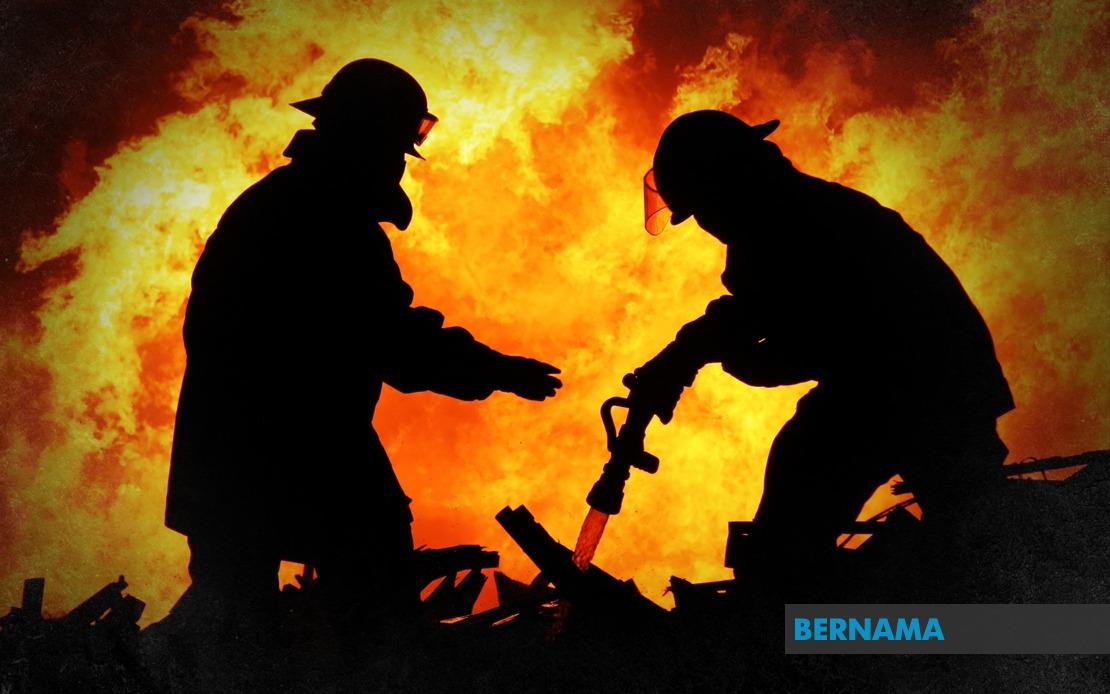
A catastrophic explosion at a firecracker manufacturing facility in Gujarat's Ahmedabad district on Saturday claimed nine lives and left six others injured, marking another tragedy in India's notoriously hazardous explosives production sector. The blast occurred at Talent Fireworks, situated in the Vastral industrial zone of the state capital, destroying large portions of the facility and sending shockwaves through the surrounding area.
The severity of the incident underscores persistent regulatory failures in India's firecracker industry. Local authorities subsequently revealed that the factory had been operating entirely without the necessary manufacturing licence, a violation that apparently went undetected or uninspected until the catastrophic moment of detonation. Police moved swiftly to arrest the facility's owner as part of their investigation into the circumstances surrounding the explosion. Initial reports indicate that basic safety protocols and structural safeguards, which should be mandatory prerequisites for any explosives manufacturing operation, were either absent or severely inadequate at the premises.
Prime Minister Narendra Modi responded to the tragedy with a condolence statement and announced immediate financial support from the Prime Minister's National Relief Fund. Each family of the deceased will receive 200,000 rupees, equivalent to approximately RM8,490, from the central government relief mechanism. This gesture, while acknowledging the scale of loss, reflects India's established protocol for responding to industrial catastrophes that claim multiple lives.
Chief Minister Bhupendra Patel supplemented the federal assistance with state-level compensation. Gujarat's government committed to providing 400,000 rupees, roughly RM16,980, to the family members of each person killed in the explosion. The combined support of RM25,470 per deceased represents Gujarat's effort to provide meaningful financial relief to households that have suddenly lost primary wage earners, though such compensation can never adequately address the human cost of preventable industrial accidents.
The Vastral incident exemplifies a broader and deeply entrenched problem within India's firecracker manufacturing ecosystem. The industry consistently operates in a legal and safety grey zone, with numerous unlicensed or inadequately regulated factories scattered across industrial zones, particularly in states like Gujarat, Tamil Nadu, and Rajasthan. These operations prioritize production volume and cost minimization over worker protection, environmental safeguards, or compliance with statutory requirements. The consequences are tragically predictable and recurring.
Firecracker-related disasters happen with alarming frequency across India, though many smaller incidents go unreported in national media. The root causes remain stubbornly consistent: manufacturers evade licensing requirements to avoid regulatory oversight and associated costs; factory buildings lack proper ventilation, fire suppression systems, and structural reinforcement necessary to contain explosions; workers receive minimal training in hazard recognition or emergency procedures; and government inspection regimes remain under-resourced and sporadic. The profit motive overwhelmingly dominates safety considerations at these facilities.
For Malaysian readers, the Gujarat tragedy carries particular relevance. Southeast Asia, including Malaysia, maintains substantial import relationships with Indian firecracker manufacturers, and standards enforcement remains uneven across regional supply chains. Additionally, Malaysia's own firecracker and explosive manufacturing sectors must be examined critically to ensure that similar cost-cutting and regulatory circumvention do not compromise worker safety or public security. The incident serves as a cautionary reminder that rapid industrial growth without corresponding investment in safety culture and enforcement infrastructure creates predictable human tragedies.
The broader context of industrial safety in South Asia reveals a persistent governance gap. While India's federal and state governments articulate strong regulatory frameworks on paper, implementation remains inconsistent. Political pressure to maintain manufacturing competitiveness and job creation often outweighs enforcement of safety standards. Factory inspectors face resource constraints, insufficient training, and sometimes corruption that undermines their oversight function. Workers, predominantly from marginalized economic backgrounds, lack effective mechanisms to report dangerous conditions or refuse to work in hazardous environments without risking their livelihoods.
This particular explosion in Ahmedabad will inevitably fade from headlines within days, potentially prompting temporary enforcement sweeps that may shutter a handful of unlicensed operations. However, structural reforms remain elusive. Without fundamental changes to India's approach to manufacturing regulation—including adequate inspector staffing, surprise inspections, substantial penalties for violations, and meaningful worker protections—such disasters will continue recurring with tragic regularity. The families of the nine workers killed will receive their compensation, yet the conditions that created their danger will likely persist elsewhere in the sprawling Indian firecracker industry.

