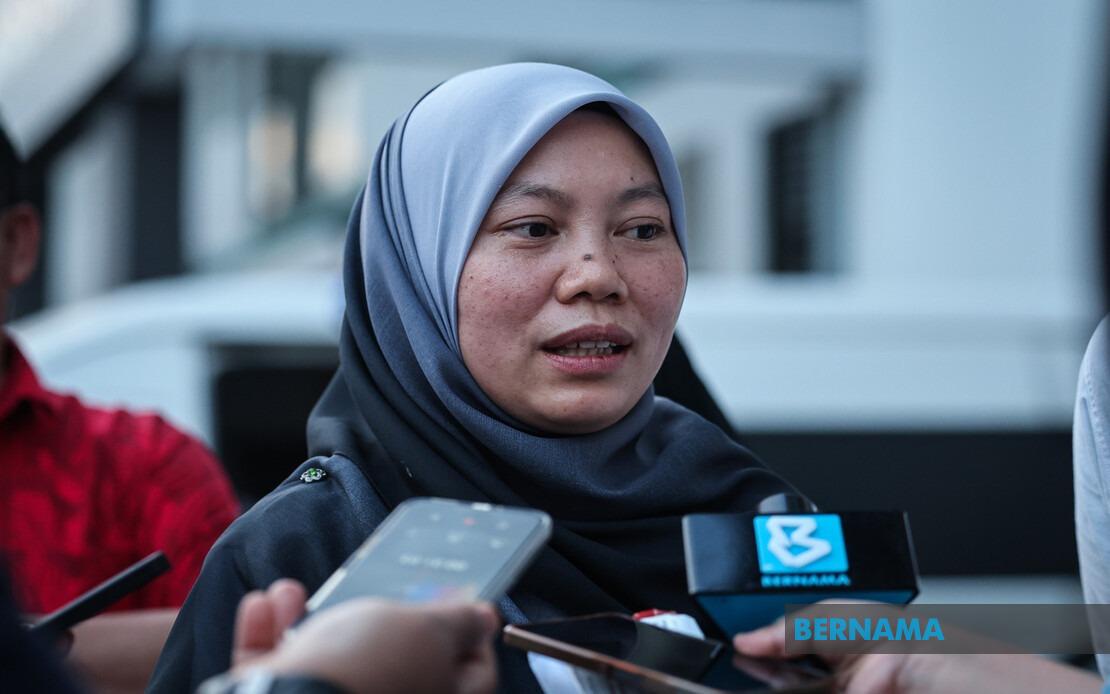
Pakatan Harapan's candidate for the Tiram state seat, Nor Zulaila Abd Ghani, is expressing confidence in her electoral prospects following what she describes as an overwhelmingly positive reception during her campaign trail across the Pasir Gudang constituency. Speaking after a meet-and-greet session with Entrepreneur Development and Cooperatives Minister Steven Sim Chee Keong at Kota Masai, Nor Zulaila indicated that the momentum she is building at the grassroots level suggests strong voter acceptance for her party's message heading into Johor's July 11 polling day.
The candidate's assessment of her campaign performance is grounded in tangible feedback from door-to-door visits and community interactions. While acknowledging that occasional negative comments surface on social media platforms like Facebook, Nor Zulaila emphasised that these isolated instances pale in comparison to the substantive support she has encountered directly from residents. This distinction between online criticism and on-the-ground reception is particularly significant in Malaysian electoral contests, where digital discourse often diverges sharply from real-world voter sentiment. The absence of confrontational incidents during her field activities suggests a campaign environment characterised more by constructive dialogue than inflammatory rhetoric.
Recognising that youth voter engagement remains crucial to broader electoral success, Nor Zulaila has deliberately structured her campaigning strategy around recreational and sporting activities that appeal to younger demographics. Her participation in local sepak takraw tournaments, futsal matches, and snooker competitions represents a calculated approach to meeting potential voters in informal settings where political discussions need not dominate the conversation. By integrating herself into these leisure contexts, she creates opportunities to build rapport with young Malaysians whose political participation has historically been inconsistent. This methodology acknowledges a fundamental reality of youth political engagement: young people often respond better to leaders who demonstrate genuine interest in their daily lives rather than those who appear only at formal campaign rallies.
Underlying Nor Zulaila's sporting engagement strategy is an educational objective focused on voter responsibility. She has been frank in discussing her concerns about youth scepticism toward Malaysia's political system, noting that many younger citizens harbour reservations about the value of electoral participation. Her messaging emphasises the consequential nature of voting, framing ballot casting not as an optional civic gesture but as a fundamental mechanism through which government policy direction is determined. By connecting voting directly to lifestyle outcomes and regulatory frameworks that affect daily existence, she attempts to demonstrate to young voters that their electoral choices have material implications for their futures. This approach seeks to counter the disengagement that has sometimes characterised youth participation in Malaysian elections.
The Tiram seat contest comes at a significant moment for Pakatan Harapan in Johor, a state where the coalition has faced considerable organisational challenges. Nor Zulaila's emphasis on positive grassroots momentum reflects broader efforts by PH to rebuild its standing in a state that has been dominated by other coalitions. Her campaign narrative—focused on community integration, youth mobilisation, and constructive political engagement—aligns with attempts to present the coalition as a forward-looking force responsive to voter concerns rather than dwelling on past political conflicts. The contrast she draws between the quality of feedback she receives from communities and sporadic online negativity also reflects broader patterns in Malaysian politics, where digital spaces can amplify voices unrepresentative of actual voter sentiment.
A notable dimension of Nor Zulaila's campaign experience has been the vandalism of her campaign billboards, an incident she has publicly expressed disappointment over. Her call for all competing parties to conduct their campaigns with maturity and respect indicates her desire for an electoral contest characterised by substantive policy debate rather than destructive behaviour. Billboard vandalism, while perhaps seemingly minor, represents a troubling indicator of campaign civility and can alienate voters who expect respectful political competition. By articulating her opposition to such conduct, Nor Zulaila positions herself as an advocate for more elevated standards in electoral engagement, a message that may resonate with voters fatigued by acrimony in Malaysian political contests.
The timing of Johor's 16th state election creates a specific context for Nor Zulaila's campaign. With early voting scheduled for July 7 and general voting on July 11, the compressed campaign period places premium value on efficient voter outreach and strong initial momentum. Her consistent presence in community spaces during these final weeks of campaigning allows her to maintain visibility and reinforce her commitment to local concerns. The early voting opportunity also presents a tactical consideration, as voters who participate in the July 7 balloting represent confirmed supporters whose engagement demonstrates party strength heading into the general polling day.
For Malaysian political observers, Nor Zulaila's campaign approach illuminates broader strategic shifts within Pakatan Harapan regarding youth engagement and community-based political work. Moving beyond traditional rally formats and television-centred campaigning, her integration into sporting and recreational communities suggests recognition that electoral success requires presence in spaces where citizens spend leisure time. This methodology acknowledges the fragmentation of media consumption patterns and the diminishing effectiveness of broadcast-era campaigning techniques in reaching younger voters. It also reflects international trends in political campaigning where candidates seek to demonstrate authenticity through engagement in community activities rather than formal political performances.
The ground-level confidence Nor Zulaila expresses carries particular significance given Johor's political volatility in recent years. The state has experienced considerable coalition reshuffling and voter realignment, creating an environment where campaign momentum and direct voter contact can meaningfully influence outcomes. Her systematic focus on building relationships across different voter demographics, particularly through the youth-targeted sporting engagement strategy, represents an attempt to construct a durable coalition of supporters rather than relying solely on partisan consolidation. Whether this approach ultimately translates into electoral success will be evident when Johor voters cast their ballots on July 11, but her reported positive reception suggests PH is investing seriously in competitive contests across the state.

