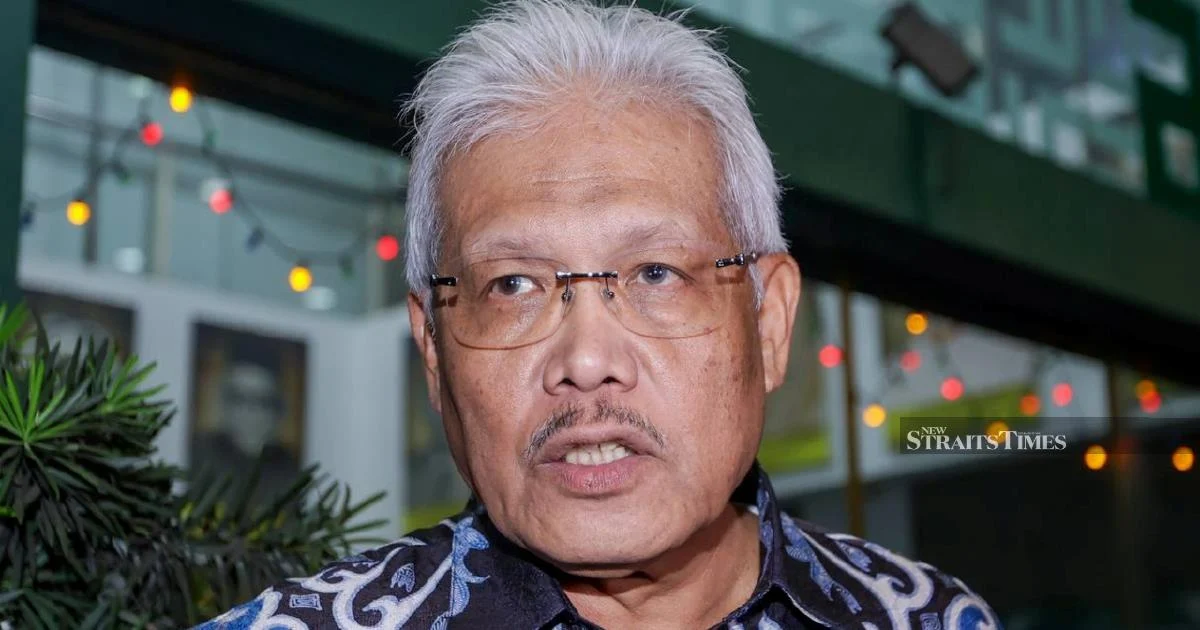
The opposition bloc has signaled its intention to formally notify Dewan Rakyat Speaker of Datuk Seri Hamzah Zainudin's appointment as opposition leader before legislators reconvene for the next parliamentary sitting. The move represents a procedural step essential to establishing clear parliamentary representation and ensuring the new opposition leadership is officially recognized within the chamber's institutional framework.
The formalization of Hamzah's leadership position underscores the opposition's efforts to present a unified and structured alternative to the government. By moving swiftly to lodge the necessary notification with the Speaker, the bloc demonstrates its readiness to assume its constitutionally defined role of holding the executive to account. The timing, deliberate and strategically positioned before parliament resumes, indicates meticulous planning among opposition lawmakers to establish legitimacy and clarity in their leadership hierarchy.
Hamzah's emergence as opposition leader represents a consolidation of interests among parties aligned against the current administration. His appointment signals an attempt by the opposition coalition to strengthen its organizational capacity and present voters with a coherent alternative government vision. The designation carries symbolic weight beyond mere procedural compliance, establishing him as the primary voice articulating opposition policy positions and parliamentary strategy.
Parliamentary conventions in Malaysia require that such appointments be formally communicated to the Speaker, who maintains records of official party leadership designations. This administrative mechanism ensures transparency and provides a clear institutional record of who holds legislative authority to lead opposition business within the chamber. The notification process, while straightforward in execution, carries significant political implications for how the opposition will function and be recognized during parliamentary debates and committee proceedings.
The notification requirement reflects broader parliamentary traditions across Commonwealth legislatures, where formal designation of opposition leadership ensures procedural clarity and enables proper facilitation of parliamentary questioning and debate. In Malaysia's context, opposition leader status carries specific privileges, including guaranteed speaking time and formal recognition during legislative sessions. These institutional advantages position the opposition leader as the primary counterbalance to government executive power within the legislative arena.
Hamzah's ascension occurs within a broader context of opposition realignment following recent electoral developments and internal coalition dynamics. His selection likely reflects a consensus among various opposition parties regarding who can most effectively lead their collective parliamentary agenda. The appointment suggests confidence in his negotiating abilities, parliamentary experience, and capacity to unify disparate opposition voices around shared policy objectives.
The approaching parliamentary sitting mentioned in the notification timeline has become crucial ground for opposition maneuvers. Opposition parties recognize that formalizing leadership before lawmakers gather strengthens their institutional positioning and prevents potential challenges to Hamzah's legitimacy. This proactive approach contrasts with reactive parliamentary responses and indicates sophisticated strategic thinking within opposition ranks regarding how institutional procedures can amplify political messaging.
From a Malaysian governance perspective, the clarity provided by formally designating opposition leadership benefits democratic accountability structures. When opposition leadership is unambiguous and officially recognized, the public gains clearer understanding of who speaks for the parliamentary opposition and what positions the non-government legislators collectively endorse. This transparency facilitates voter assessment of alternative policy directions before subsequent electoral contests.
The Speaker's role in receiving and registering this notification remains largely administrative, though the office carries considerable symbolic significance as guardian of parliamentary procedure and impartiality. By lodging notification before parliament reconvenes, the opposition ensures the Speaker begins the next session with clear institutional knowledge regarding opposition leadership structure. This advance notification also prevents potential disputes about parliamentary standing during the session's opening stages.
Regionally, opposition leadership designations carry broader implications for how Southeast Asian democracies manage parliamentary opposition institutionally. Malaysia's approach, relying on formal notification procedures, contrasts with other systems where opposition leadership emerges through less formalized mechanisms. This institutionalization reflects Malaysia's Westminster-influenced parliamentary traditions, where clarity about constitutional roles serves democratic functioning.
Looking forward, Hamzah's formally recognized status positions him to articulate opposition responses to government policy announcements, lead parliamentary questioning during question hours, and coordinate collective opposition strategies during legislative debates. His authority to negotiate with government officials regarding parliamentary business will be substantially enhanced through formal recognition. The notification process, therefore, transcends mere administrative formality and constitutes a meaningful consolidation of opposition institutional power.
The timing of this notification, aligned with parliamentary session calendars, demonstrates how opposition players must navigate institutional procedures strategically. By submitting notification before parliament reconvenes, the opposition prevents scenarios where leadership legitimacy might be questioned at the session's outset. This careful attention to procedural timing reflects political maturity and institutional sophistication within opposition ranks, suggesting the bloc has learned from previous experiences regarding how administrative procedures intersect with political outcomes.