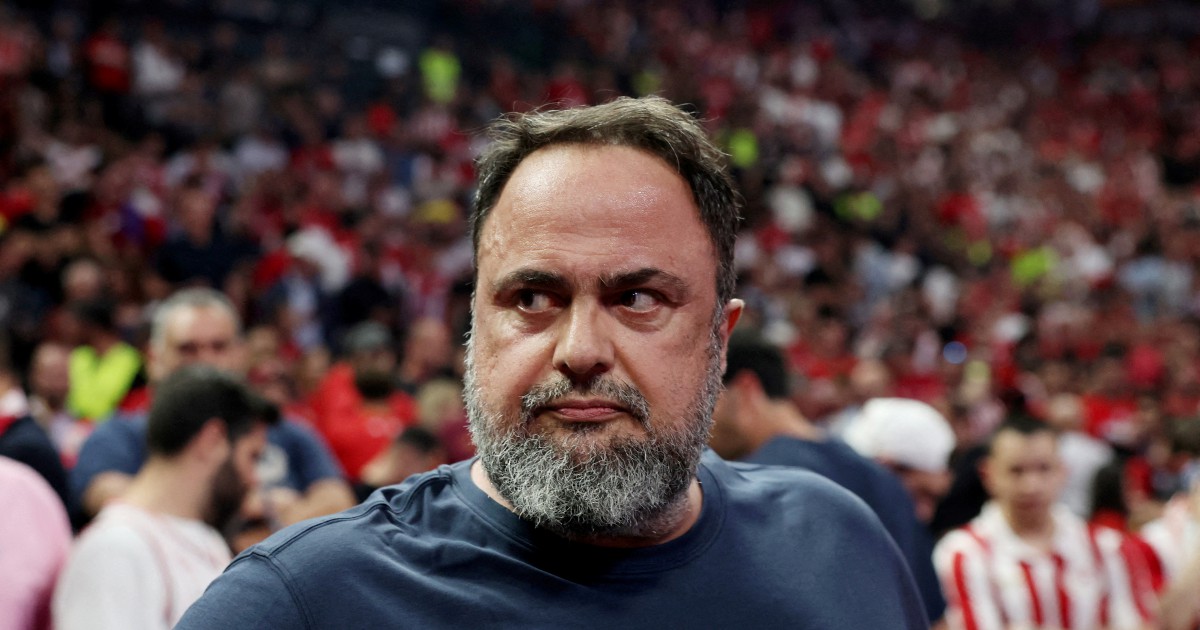
Evangelos Marinakis, the Greek shipping magnate who owns Nottingham Forest, has initiated formal libel proceedings against Crystal Palace at London's High Court, marking an escalation in tensions between the two Premier League clubs. The lawsuit, filed on Monday, reportedly concerns a provocative banner that was displayed by Palace supporters during a match in the previous season, according to multiple media outlets covering the dispute.
The decision to pursue legal action represents a significant moment in Premier League relations, where disagreements between clubs occasionally surface but rarely result in formal court cases. Marinakis's move suggests the banner's content was deemed sufficiently damaging to his reputation or business interests to warrant the expense and public nature of high court litigation. Such legal confrontations, while not uncommon in football, tend to create lasting friction between institutions and their fan bases.
Crystal Palace, the South London club that competes alongside Nottingham Forest in England's top division, now faces defending the actions of its supporters in court. The club itself has not been formally accused of creating or endorsing the banner, though supporters' actions at matches remain a point of potential liability for football clubs under English law. The specific content of the banner has not been made public through official court documents, though media reports suggest it contained material deemed provocative or inflammatory.
Nottingham Forest, under Marinakis's ownership since 2017, has undergone significant transformation both commercially and competitively. The club's investment and ambitious spending have positioned it as a serious contender in the Premier League after years of lower-division struggles. Marinakis has also been involved in various business ventures beyond football, including significant stakes in shipping and other industries, which may have broader implications should the court determine that reputational damage occurred.
The legal framework surrounding libel cases in England places the burden of proof on the defendant to demonstrate truth or fair comment regarding statements made about individuals or organisations. Crystal Palace will need to establish that any statements made on the banner were either factually accurate, constituted fair comment on matters of public interest, or fell within other recognised defences under English libel law. The complexity of defending supporters' actions through formal legal channels presents a novel challenge for the club.
Fan behaviour and club responsibility have become increasingly scrutinised by English football authorities in recent years. While supporters retain freedom of expression, football clubs can face sanctions if their fans engage in conduct deemed discriminatory, abusive, or defamatory. The question of where responsibility lies between individual supporters and the institutions they support remains contentious within English football governance.
For Malaysian and Southeast Asian football enthusiasts, this case illustrates how the Premier League operates within a complex legal and regulatory environment that differs significantly from football governance in the region. English courts have historically intervened in football-related disputes when serious allegations of defamation are involved, and their judgments can have ripple effects across the sport's governance structures. The outcome may establish precedent regarding the extent to which clubs can be held accountable for supporter conduct.
The broader context of owner-supporter relations in English football cannot be overlooked. Marinakis's willingness to pursue legal action sends a message about his determination to protect his reputation and business interests, though it also risks intensifying conflicts between ownership and fan bases. Many club owners prefer managing such disputes privately or through football's internal regulatory bodies rather than through public court proceedings.
Crystal Palace's response to the lawsuit will likely shape how the club manages its relationship with Nottingham Forest moving forward. Beyond the immediate legal considerations, both clubs must navigate the reputational implications of taking their dispute to London's High Court rather than resolving the matter through other channels. The English Football League and Premier League may also face questions about their role in mediating disputes between clubs.
The financial and administrative costs of pursuing libel litigation can be substantial, suggesting that Marinakis views the alleged damage to his reputation as considerable. High court cases in England typically extend over months or years, creating ongoing publicity around the dispute. For Crystal Palace, defending against libel allegations requires demonstrating either the truth of the banner's claims or securing one of the available legal defences, a process that will consume significant resources and management attention.
This lawsuit reflects broader tensions within modern professional football regarding ownership, fan expression, and institutional responsibility. As foreign ownership becomes more prevalent in English football, disputes over supporter conduct and club liability continue to generate legal and regulatory challenges. The case may ultimately clarify the boundaries between protected speech and defamatory statements in the context of football support.
The outcome of Marinakis's legal action will be closely watched not only by the two clubs involved but also by other Premier League institutions navigating similar challenges. Should the court rule in Marinakis's favour, it could establish new expectations regarding club accountability for supporter behaviour. Conversely, a ruling favouring Crystal Palace's defence would reinforce principles protecting fan expression and limiting corporate liability for individual actions.

