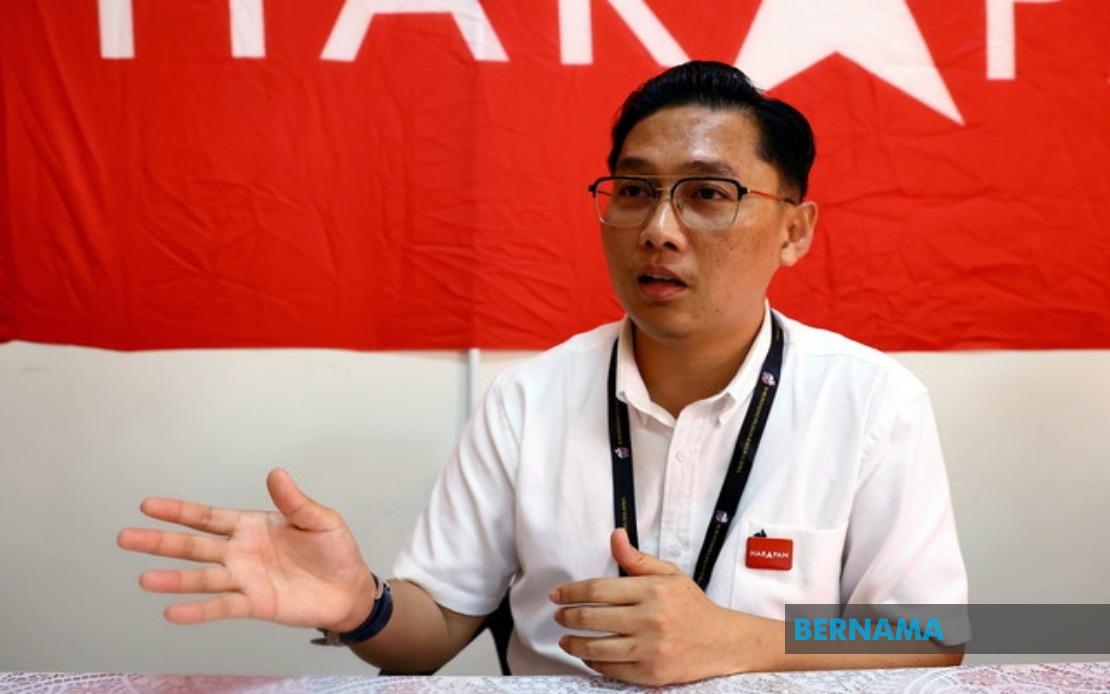
The Machap state constituency presents an unusual electoral paradox: while demographic records show that young adults comprise just over half the registered voters, the physical reality on the ground tells a starkly different story. Most of these voters have relocated to pursue opportunities elsewhere, leaving behind a community increasingly dominated by retirees and senior citizens. This contradiction has become central to the campaign narrative as Pakatan Harapan's Nur Hafiz Roslan seeks to represent the constituency in the July 11 Johor state election.
Nur Hafiz characterises the challenge as far more than simple economic migration. During an interview in Kluang, he articulated a more comprehensive diagnosis: the young have departed not merely to earn better wages, but because Machap fundamentally lacks the infrastructure and employment ecosystem to retain them. This assessment reflects a broader development disparity affecting rural and semi-rural constituencies across Malaysia, where investment concentration in urban centres like the Klang Valley and cross-border opportunities in Singapore prove irresistible to working-age populations.
The demographic indicators paint a sobering picture. Electoral roll data reveals that individuals aged between 25 and 45 constitute nearly 51 per cent of Machap's total electorate. Yet the vast majority now reside and work outside the constituency. Some have established careers in Singapore's competitive job market, while others have migrated to the industrialised Klang Valley region. The consequence is that approximately 60 per cent of those actually resident in Machap are senior citizens—a reversal of normal population pyramids that carries profound implications for local economic vitality and community cohesion.
This structural exodus reflects systemic regional inequality that extends beyond simple employment economics. Nur Hafiz specifically identifies inadequate infrastructure as a primary culprit. Without reliable transport links, digital connectivity, educational facilities, and commercial infrastructure, even motivated young people cannot establish sustainable livelihoods locally. The internet connectivity gap, in particular, has become increasingly critical in Malaysia's digital economy, where remote work and online entrepreneurship require dependable broadband access. Rural constituencies lacking such amenities effectively exclude younger generations from participating in growing economic sectors.
Recognising that traditional on-ground campaigning reaches only those physically present, Nur Hafiz has recalibrated his campaign strategy toward the absent majority. His campaign machinery has intensified digital outreach through social media platforms, understanding that outstation voters—many of whom retain emotional and familial ties to Machap—can be reached through their phones and computers regardless of physical location. This tactical pivot reflects broader shifts in Malaysian electoral engagement, where diaspora voters increasingly influence outcomes through remote participation.
Central to his messaging is an appeal rooted in both practical incentives and emotional resonance. Nur Hafiz emphasises that voting itself requires only temporary return—a manageable request that acknowledges the genuine constraints facing relocated voters. He frames the election not as abstract political choice but as opportunity to directly influence their hometown's future trajectory. For young professionals established elsewhere, the argument runs, the election represents a rare moment when their voice can shape decisions affecting their parents' quality of life and the community's development prospects.
The symbolic dimension of his candidacy carries particular weight. His name, Nur Hafiz, carries etymological significance—Nur meaning light or illumination. He deliberately invokes this meaning, positioning himself as a catalyst for renewal rather than merely a political representative. This rhetorical strategy attempts to transcend conventional campaign messaging, appealing to voters' aspirations for transformative change rather than incremental adjustment. In constituencies experiencing outmigration, such symbolism carries particular resonance, suggesting that voting for him represents not just political choice but investment in community revitalisation.
His policy platform directly addresses the structural factors driving exodus. Infrastructure development and internet connectivity improvements feature prominently—concrete, tangible commitments designed to address the material conditions that make outstation migration necessary. By highlighting these specific priorities, Nur Hafiz signals that he understands the root causes rather than merely the symptoms of youth departure. This diagnostic clarity distinguishes his campaign from more generic appeals to tradition or nostalgia.
The electoral contest itself carries weight beyond Machap's boundaries. Nur Hafiz faces Datuk Onn Hafiz Ghazi, the incumbent Johor Menteri Besar representing Barisan Nasional. This straight contest between PH and BN encapsulates the broader state-level competition, with implications for Johor's governance trajectory. The focus on youth retention and rural development has emerged as a significant theme across multiple constituencies, reflecting growing awareness that Malaysia's development model has created unsustainable regional disparities.
The challenge confronting Nur Hafiz extends beyond electoral victory to fundamental questions about how Malaysian constituencies can retain human capital and reverse demographic decline. The outstation voter engagement strategy acknowledges reality while attempting to harness distant citizens' continued emotional investment in their origins. Whether such campaigns can translate into actual policy delivery—and whether improved infrastructure and connectivity can realistically stem the outmigration tide—will determine not just his electoral viability but the broader sustainability of rural Malaysia's demographic future. The July 11 election result will reveal whether Machap's distant youth view the election as worth returning for, or whether the constituency's transformation into a predominantly elderly community has already progressed beyond reversal.

