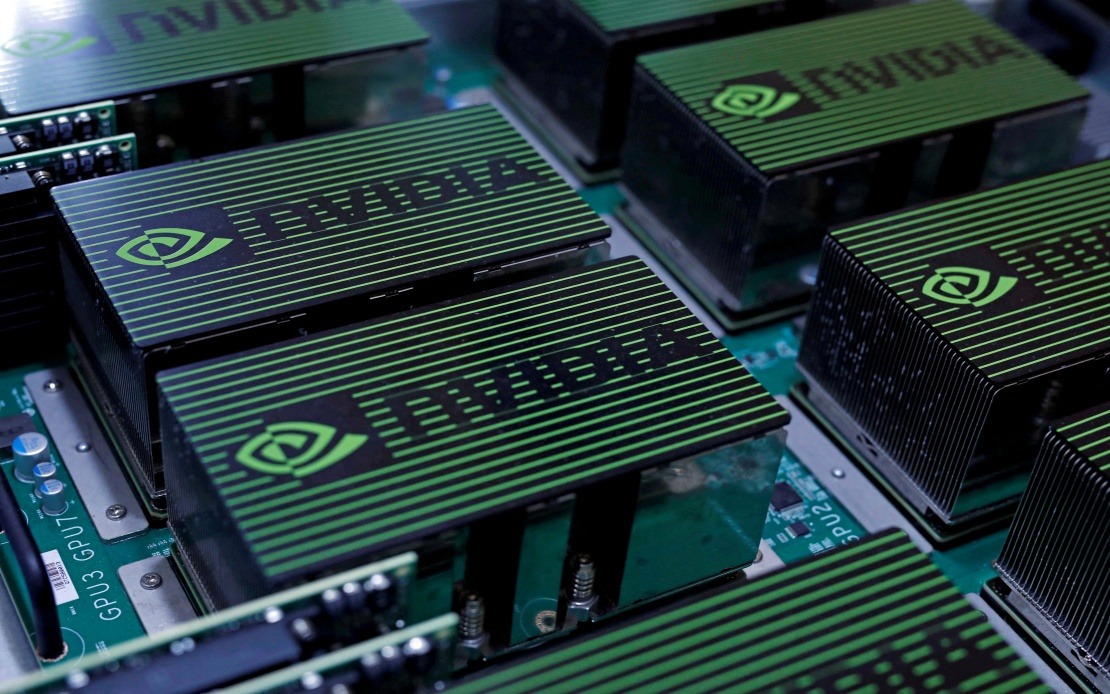
The technological landscape for artificial intelligence development across Asia faces significant disruption as Nvidia, the world's dominant supplier of advanced computing chips, has dramatically contracted its approved customer base in the region. The American semiconductor manufacturer has eliminated more than half of its previous Asian clients from authorised purchasing lists, marking an escalation in US efforts to regulate the flow of cutting-edge AI technology through third-country distribution channels. This move represents a pivotal moment in the ongoing geopolitical struggle between Washington and Beijing over semiconductor supremacy, with reverberations extending across Southeast Asia's tech ecosystem.
Nividia's implementation of stricter customer vetting procedures has created substantial uncertainty for technology companies across three key Asian markets: Singapore, Malaysia, and Japan. The enhanced screening mechanisms, rolled out over recent months, have effectively locked out numerous previously authorised resellers and cloud service providers from accessing the company's most powerful processors. Rather than implementing permanent bans, Nvidia has indicated that excluded customers retain the option to address regulatory concerns and reapply for approval, suggesting the process remains fluid though considerably more demanding than before. This conditional approach reflects the delicate balancing act the company must navigate between complying with US government directives and maintaining commercial viability in vital Asian markets.
The category of businesses most severely impacted by these restrictions comprises what industry observers term "neocloud providers"—specialised cloud computing platforms designed specifically for training artificial intelligence models and enabling enterprises to harness AI capabilities without requiring massive in-house infrastructure investments. These companies occupy a crucial position in Asia's emerging AI economy, particularly for smaller and medium-sized enterprises seeking to develop AI applications without prohibitive capital expenditure. The sudden contraction in their ability to procure Nvidia's latest chips threatens to fragment Asia's AI development landscape, potentially creating technological tiers between approved and excluded providers that could entrench competitive advantages among larger, multinational corporations with existing regulatory clearances.
The intensification of export controls reflects Washington's growing alarm regarding alleged circumvention schemes whereby advanced semiconductors destined for US-sanctioned entities in China are rerouted through intermediary Asian markets. Previous reporting has documented cases where sophisticated supply chain manipulation allowed restricted technologies to reach Chinese artificial intelligence research programmes and technology companies facing direct American sanctions. These export control evasion techniques underscore the sophisticated methods employed to circumvent restrictions, prompting the US government to expand scrutiny beyond direct China-bound shipments to encompass all advanced chip transfers into regions historically used as transshipment hubs.
Malaysia's inclusion in this tightened screening process carries particular significance given the country's role as a regional technology hub and logistics centre. The nation has cultivated semiconductor manufacturing and technology services capabilities that attracted substantial foreign investment, but now faces the reality that such strategic positioning creates vulnerability to supply chain disruptions when geopolitical tensions escalate. Malaysian technology companies that have built business models around Nvidia partnerships or AI service delivery face unexpected barriers to obtaining essential components, potentially forcing restructuring of operations or partnerships. The longer-term implications extend beyond individual companies to encompass Malaysia's broader aspirations to develop indigenous AI capabilities and participate meaningfully in the global AI revolution.
Japan and Singapore, as economically advanced nations with strong US security partnerships, occupy somewhat different positions within this regulatory framework compared to Malaysia. Japan's status as a crucial US ally in Asian security arrangements and Singapore's role as a regional financial and technological centre provide these nations with somewhat greater diplomatic leverage in potentially negotiating accommodation within the Nvidia approval processes. Nonetheless, both countries face constraints in shielding their domestic companies from access restrictions, as the measures appear applied on a company-by-company basis rather than at the national level. This creates situations where individual firms must navigate complex approval procedures regardless of their home country's geopolitical alignment with Washington.
The broader strategic context underlying Nvidia's actions extends beyond simple compliance with existing regulations to encompass anticipated future US government policy regarding semiconductor exports and artificial intelligence technology control. Washington has signalled intentions to expand restrictions on advanced chip sales to countries and entities the government designates as strategic competitors or security threats. Nvidia's proactive reduction of its Asian customer base may reflect management expectations that regulatory requirements will continue tightening, with the company positioning itself ahead of potential new restrictions to avoid future wholesale revocation of export licenses or other severe penalties. This forward-looking posture effectively transforms Nvidia from a passive regulator-following entity into an active architect of supply chain boundaries.
The implications for Southeast Asian countries extend into critical infrastructure and economic development domains beyond immediate semiconductor access. Nations pursuing digital transformation, smart city initiatives, and artificial intelligence-driven development strategies face technological constraints imposed by external geopolitical conflicts in which they have limited agency. Malaysia, in particular, faces the uncomfortable reality that its geographic position and economic structure make it vulnerable to collateral damage from US-China technology competition regardless of its own policy preferences. The restriction of Nvidia chip access to Malaysian firms effectively transfers decision-making authority over the country's technological trajectory from domestic policymakers to American officials implementing export controls.
For regional technology entrepreneurs and enterprise customers, the practical consequences materialise immediately through elevated costs and reduced options. Companies that previously could access Nvidia's most advanced processors for AI development now discover their chosen suppliers lack approval for such sales, forcing them to seek alternatives or pause projects. The cloud service providers facing exclusion from Nvidia's customer list may pivot toward competing processors from other manufacturers, though such alternatives frequently lack comparable performance characteristics or market maturity. This fragmentation across multiple competing standards potentially impedes the region's development of coherent AI infrastructure ecosystems where technical standards, skills, and services align across multiple firms and sectors.
The medium-term outlook for Asian AI development under these constraints depends significantly on whether Nvidia's customer restrictions remain temporary screening measures or evolve into permanent supply chain restructuring. If the current phase proves transitional, affected companies may eventually regain access after addressing regulatory concerns and demonstrating appropriate compliance frameworks. Conversely, if the restrictions become institutionalised through formal regulatory changes, Asian technology companies face the prospect of permanent technological disadvantages relative to US and allied firm competitors. The geopolitical and commercial pressure will likely intensify throughout the remainder of 2024, with Malaysia and other ASEAN nations forced to develop coherent policy responses to semiconductor supply chain disruptions beyond their direct control.

