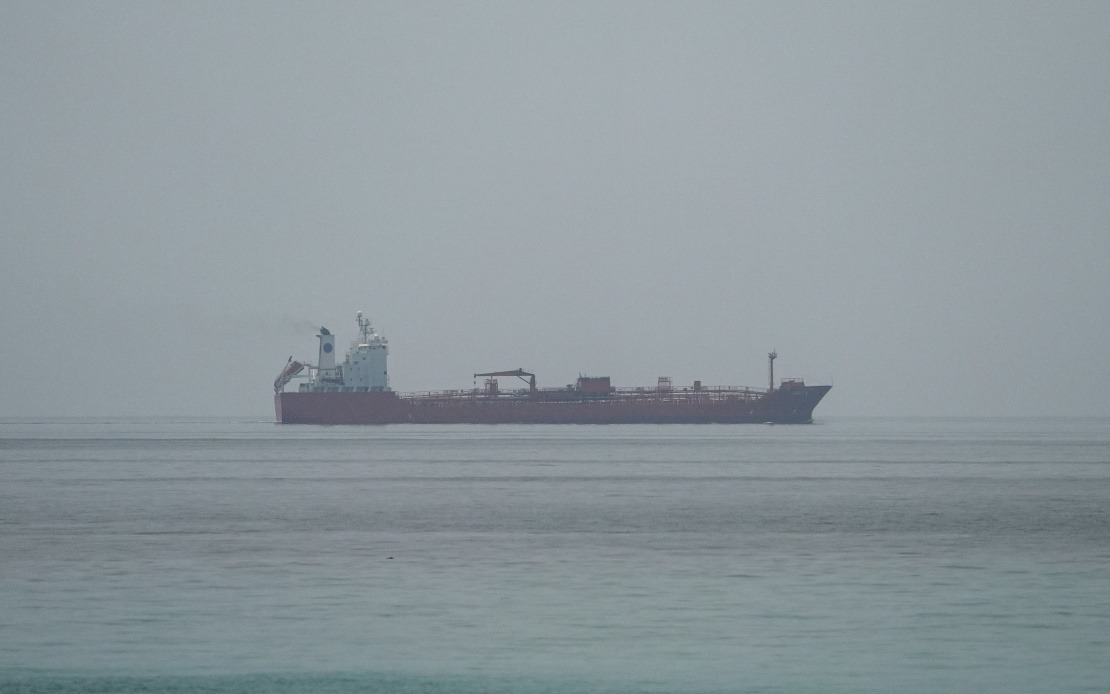
Oman has thrown its weight behind the recently concluded memorandum of understanding between the United States and Iran, signalling crucial regional support for an agreement aimed at de-escalating tensions in West Asia and securing one of the world's most strategically vital shipping lanes. The endorsement came during a joint ministerial meeting between the Gulf Cooperation Council and Washington held in Bahrain on Thursday, where Omani Foreign Minister Badr Albusaidi articulated his nation's backing for the accord and its central role in restoring stability to the volatile region.
The Sultanate's position carries particular weight given its geographic vantage point as a coastal state with direct oversight of the Strait of Hormuz. Albusaidi emphasised that Oman recognises a distinctive obligation to champion international efforts aimed at guaranteeing safe passage for vessels navigating the crucial waterway, obligations that flow from both customary international maritime law and the UN Convention on the Law of the Sea. This framing positions Oman not merely as a participant in regional diplomacy but as a custodian of global maritime interests, reflecting Muscat's traditional role as a neutral broker in Gulf affairs.
Central to Oman's statement was an explicit reaffirmation that any future arrangements governing transit through the strait would not impose fees on commercial shipping. This assurance holds considerable significance for global trade and energy markets, as the Strait of Hormuz remains the world's most critical chokepoint for oil and liquefied natural gas, with roughly one-third of all seaborne traded oil passing through its waters annually. The fee-free guarantee addresses persistent anxieties among maritime nations and energy importers that the agreement might establish precedent for toll mechanisms that could disrupt global supply chains or elevate energy costs.
The Iran-US memorandum itself represents a substantial diplomatic achievement following months of escalating hostilities. Pakistani mediation produced a fourteen-point understanding that was formally executed electronically on June 18, signed by Iranian President Masoud Pezeshkian and US President Donald Trump. The accord encompasses provisions extending far beyond maritime security, touching multiple regional conflicts and encompassing commitments to cease hostilities across Lebanon, reopen the Strait of Hormuz to unrestricted commerce, and lift the US naval blockade that had constrained Iranian maritime activity.
The timing of Oman's endorsement reflects the fraught security environment that precipitated negotiations. In late February, coordinated US and Israeli military operations targeted Iranian positions, provoking an Iranian retaliatory response against Israeli and regional targets hosting American military infrastructure. These tit-for-tat strikes threatened to spiral into wider conflagration, creating urgency for diplomatic channels and neutral intermediaries like Pakistan to broker understanding. The escalating cycle of strikes and counter-strikes had particularly alarmed Gulf trading states reliant on Hormuz passage for economic survival.
For Malaysia and broader Southeast Asia, Oman's commitment to fee-free passage carries direct ramifications for energy security and economic stability. Malaysian refineries and power plants depend substantially on Middle Eastern crude, with significant volumes transiting the Strait of Hormuz. Any disruption or the imposition of transit tolls would reverberate through regional energy prices and manufacturing costs. The Sultanate's explicit undertaking therefore protects Malaysian economic interests and those of neighbouring states equally dependent on unimpeded Gulf energy flows.
The GCC-US ministerial gathering itself underscores the institutionalised nature of security consultation in the region, with regular meetings addressing political coordination, military cooperation, and economic partnership amid shifting geopolitical circumstances. These forums provide venues through which Washington maintains influence with conservative Gulf monarchies while allowing states like Oman to voice regional perspectives and shape collective positions on contentious matters.
Oman's diplomatic positioning merits particular attention as it reflects the Sultanate's established strategic culture of pragmatic neutrality and bridge-building. Historically, Muscat has cultivated relationships across ideological divides, maintaining channels with both Saudi Arabia and Iran despite their intense rivalry. This balancing act has allowed Oman to punch above its weight diplomatically and position itself as a trusted intermediary capable of facilitating dialogue when tensions threaten regional stability. The current endorsement of the Iran-US agreement exemplifies this tradition.
The memorandum's success remains contingent upon sustained compliance from both signatories and the absence of provocative incidents that could reignite mutual suspicion. Maritime incidents, accidental escalations, or domestic political shifts could undermine the accord's fragile foundation. Oman's role in guaranteeing Hormuz passage stability becomes all the more crucial should tensions resurface, as the Sultanate's demonstrated commitment to free transit provides international legal and moral authority to resist pressures that might restrict shipping lanes.
Looking forward, the agreement's implications extend beyond immediate security considerations. Successful implementation could unlock possibilities for expanded trade, investment, and regional integration that has long been constrained by sanctions and hostilities. Malaysian businesses and investors might find new opportunities in Iranian markets, while regional supply chains could diversify beyond current dependencies. Conversely, any collapse of the agreement would revert the region to heightened volatility, potentially triggering new rounds of military confrontation and maritime disruption.
Oman's explicit guarantee regarding transit fees also sets a precedent that insulates the Strait of Hormuz from becoming a mechanism for revenue extraction by littoral states, a concern that has periodically surfaced during periods of heightened tension. By committing publicly to fee-free passage, Albusaidi and Muscat have essentially accepted a restraint on Oman's theoretical ability to monetise the waterway, demonstrating prioritisation of regional stability and international maritime norms over short-term financial gain.
The convergence of Omani support, Pakistani mediation, and the fourteen-point accord itself suggests that even amid profound US-Iran antagonism, diplomatic pathways remain viable when regional actors invest effort in conflict resolution. For Southeast Asian observers, the episode illustrates how proximate states with direct interests in maritime security and energy flows can effectively shape outcomes affecting global commerce and stability.

