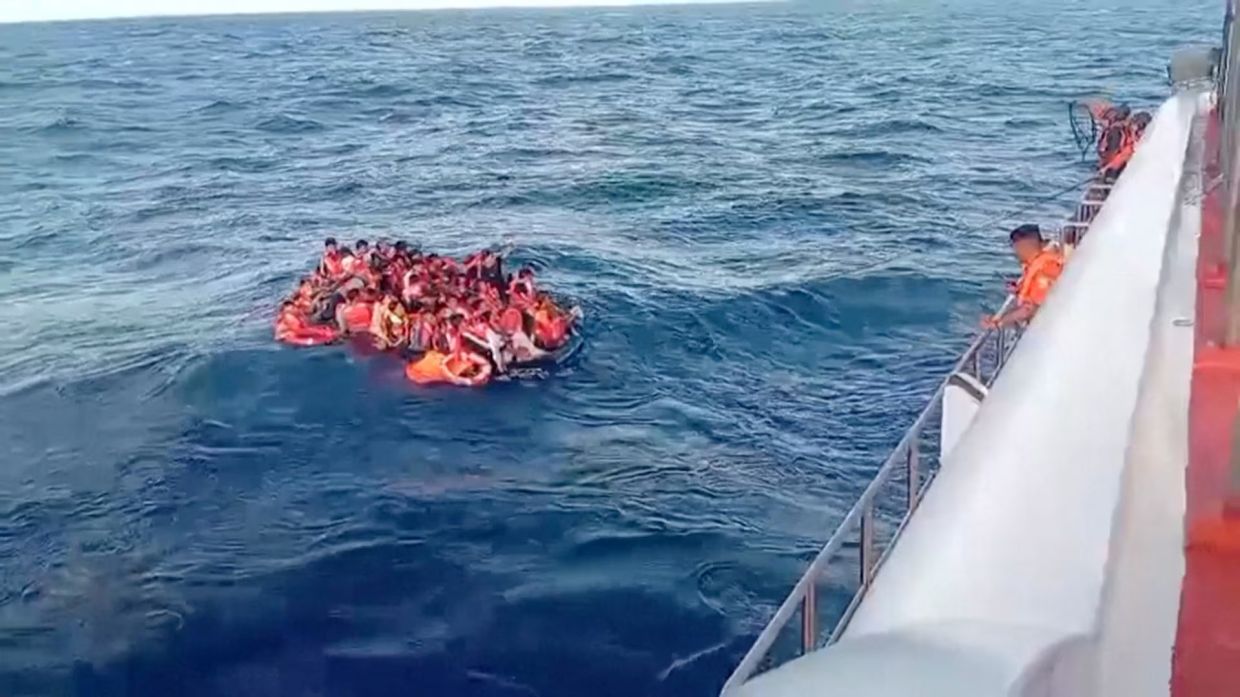
A major maritime emergency unfolded in the waters between Bali and Lombok early Wednesday when the Putri Yasmin passenger ferry became engulfed in flames, triggering one of the region's more dramatic rescue operations. By Thursday, authorities confirmed that one Indonesian woman had perished in the incident, while 211 others were safely pulled from the vessel and brought ashore. The predawn fire, which began around 4:15 a.m. local time, tested Indonesia's multi-agency response systems as the ferry made its regular journey linking two of the country's most popular tourist destinations.
The immediate rescue effort demonstrated effective coordination between several government and civilian entities. Indonesia's National Search and Rescue Agency, the Indonesian Navy, maritime police, and civilian vessels that happened to be in the vicinity all mobilised rapidly to assist the evacuation. Survivors were distributed between ports on both Bali and Lombok, with authorities describing the overall rescue operation as having been executed "safely and smoothly." The speed of the response likely prevented the casualty toll from becoming considerably higher, given the scale of the passenger load aboard the Putri Yasmin.
However, the incident has exposed discrepancies in vessel manifest procedures that raise questions about maritime accountability in Indonesian waters. The ferry's official manifest recorded 131 people aboard, comprising 114 passengers and 17 crew members. Yet when the actual evacuation was tallied, the confirmed number of rescued individuals reached 211—a difference of 80 people. This gap suggests that a substantial number of unregistered or undocumented passengers were travelling on the vessel, a practice that carries obvious safety and security implications. The overloading of ferries beyond registered capacity remains a persistent problem across maritime routes in Southeast Asia.
Official investigators have now taken charge of determining what ignited the blaze and how the fire spread so rapidly that it claimed at least one life despite the proximity of rescue assets. Indonesia's National Transportation Safety Committee, working with the Lembar Port Authority, has initiated a comprehensive inquiry into the maritime accident. Beyond ascertaining the precise cause—whether mechanical failure, electrical fault, or human error—the investigation will likely examine whether the vessel was operating according to safety protocols and whether crew members followed proper emergency procedures. The extensive damage to the Putri Yasmin, including destruction of vehicles and cargo stored aboard, means that material loss assessments are still underway.
This incident reflects broader vulnerabilities in Indonesia's ferry transportation system. As an archipelagic nation comprising more than 17,000 islands scattered across three time zones, Indonesia depends fundamentally on inter-island maritime transport for commerce, tourism, and everyday movement of people and goods. Ferries like the Putri Yasmin are essential infrastructure, yet they operate within an environment where safety enforcement remains uneven and where compliance with international maritime standards is inconsistently applied across different operators and routes.
The Bali-Lombok route, which the Putri Yasmin was traversing when disaster struck, carries significant commercial and tourist traffic. Both islands are major economic drivers for Indonesia's tourism sector, and disruptions to maritime links between them have ripple effects throughout regional supply chains and visitor movements. The incident will inevitably raise concerns among international tourists about ferry safety on popular routes, though authorities are likely to emphasise that Wednesday's rescue operation showcases the system's capacity to respond to crises effectively.
Weather conditions and mechanical readiness remain persistent challenges for Indonesian ferries. While this particular fire appears to have occurred during relatively calm predawn conditions, the broader maritime environment between Bali and Lombok can become treacherous during monsoon seasons. The combination of unpredictable weather patterns, ageing vessel fleets on some routes, and variable maintenance standards creates a structural vulnerability that no single rescue operation can fully address. Crew training standards and emergency response protocols vary significantly between ferry operators, and enforcement of minimum safety thresholds remains inconsistent.
The discrepancy between the manifest figure and the actual number aboard raises urgent questions about how authorities intend to prevent similar overcrowding in future. Whether the additional 80 passengers were informal additions facilitated by crew members seeking extra revenue, or whether they represent genuine booking failures, remains unclear. Such gaps in passenger accountability create hazards beyond simple overcrowding—they complicate evacuation planning, limit coast guard preparedness, and prevent accurate assessment of survivor counts during emergencies. Indonesian regulators will need to address these administrative failures alongside technical safety improvements.
Investigators will be particularly focused on the Putri Yasmin's maintenance records, recent inspections, and crew certifications. The 4:15 a.m. timing of the outbreak may prove significant; nighttime maritime emergencies are inherently more dangerous due to reduced visibility and the challenges of coordinating rescue operations in darkness. That evacuation was nonetheless completed without greater loss of life suggests that crew training and available rescue resources performed adequately under difficult circumstances. However, prevention remains preferable to even successful rescue, and this incident will likely prompt Indonesian maritime authorities to reexamine safety standards across the ferry fleet.
The death of one woman and the trauma experienced by 211 others will serve as a sobering reminder that Indonesia's ferry system, despite its essential role and generally adequate safety record, remains vulnerable to catastrophic incidents when multiple safety layers fail simultaneously. As investigations continue and damage assessments are finalised, Indonesia faces pressure to strengthen oversight mechanisms, improve compliance enforcement, and modernise aging vessels that continue to operate on critical inter-island routes. The tragedy underscores that maritime safety in the archipelago remains an ongoing challenge requiring sustained commitment from both government regulators and ferry operators.

