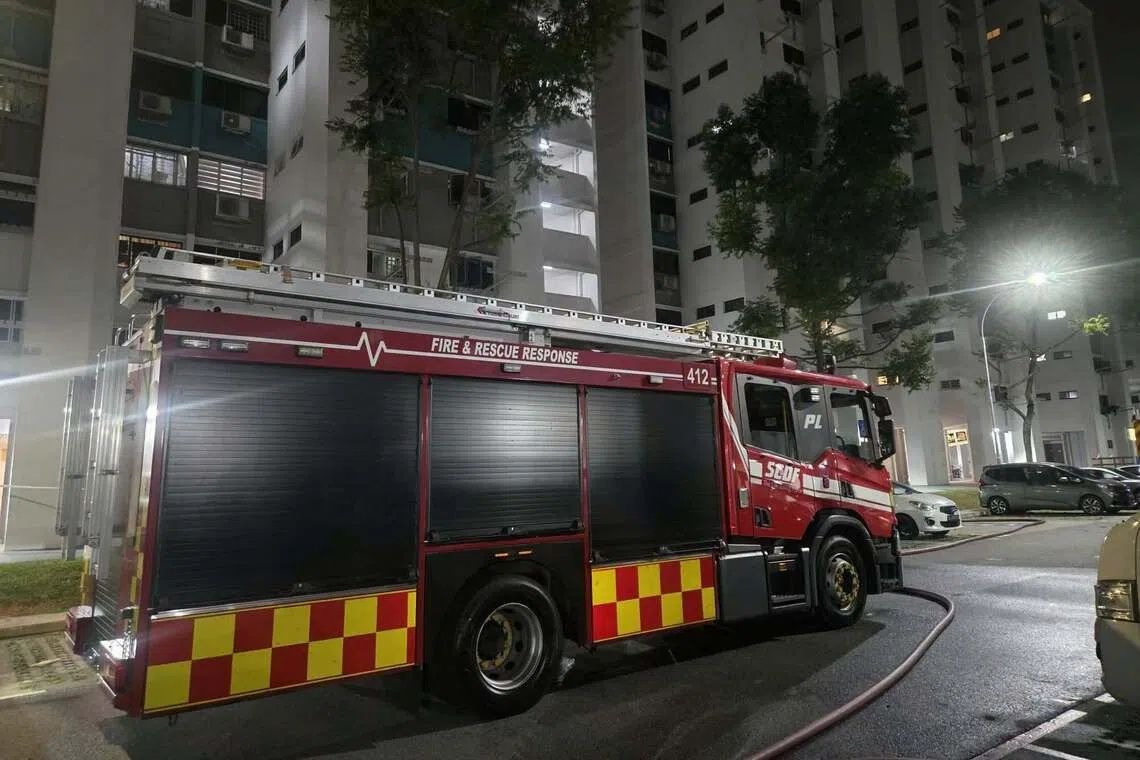
A residential fire in Singapore's Jurong East district has claimed another life, underscoring a troubling surge in fatal blazes across public housing in recent weeks. The Singapore Civil Defence Force responded to an emergency call at Block 339 Jurong East Avenue 1 at 3.55am on August 16, arriving to find thick black smoke billowing from a unit on the third storey. The blaze was contained to items within the flat's living room, but by the time rescuers forced their way inside, they discovered an unresponsive occupant who was pronounced dead at the scene by emergency paramedics.
The rapid response and evacuation efforts prevented a greater tragedy, with 50 neighbouring residents safely removed from the building as firefighters battled the flames. The exact cause of the fire remains under investigation, though the incident has reignited concerns about residential fire safety across Singapore's ageing Housing and Development Board stock. The loss of life in a domestic setting carries particular weight, as such incidents often occur during hours when occupants are asleep and less able to respond to warning signs or escape routes.
What makes this incident particularly noteworthy for regional observers is the alarming frequency of fatal HDB fires in recent months. This August 16 blaze represents at least the fourth reported fatality in public housing units since late July, suggesting either an increase in fire incidents or a dangerous clustering that warrants urgent investigation. The pattern began on July 28 when a fire at Block 39 Circuit Road claimed the life of a 70-year-old resident. Just three days later, on July 31, a more serious incident unfolded at Block 309 Clementi Avenue 4, where flames spread across an eighth-floor unit, killing a 65-year-old occupant and injuring two firefighters in the process.
The third incident occurred on August 3 at Block 684 Race Course Road, where a fire on the fifth floor necessitated hospitalisation of five residents ranging in age from 55 to 88 years old. The eldest victim, the 88-year-old man, succumbed to injuries two days later on August 5, bringing the confirmed death toll across these four incidents to at least four people within a span of just over two weeks. Each incident has highlighted different vulnerabilities: some involved elderly residents less able to evacuate quickly, others saw firefighters themselves placed in danger, and several required emergency medical intervention for multiple casualties.
For Malaysian readers and policymakers, Singapore's experience offers sobering lessons about residential fire management in densely populated urban areas with ageing housing stock. Both nations rely heavily on high-rise public housing to accommodate their populations, and both face similar challenges with maintaining fire safety standards across thousands of units housing vulnerable populations including elderly residents living alone. The concentration of fatal incidents in a short timeframe suggests that routine inspections, maintenance protocols, or public awareness campaigns may not be catching dangerous conditions before they ignite.
The role of the Singapore Civil Defence Force in these incidents demonstrates the importance of well-resourced and trained emergency services, yet even rapid response cannot always prevent fatalities when fires break out in residential units during night hours. Residents may be asleep, smoke inhalation can be swift and disorienting, and escape routes may be limited or obscured by dense smoke. The fact that firefighters themselves were injured in the July 31 incident underscores the hazardous nature of residential fire response, particularly when flames have already spread within an enclosed unit.
Investigations into the causes of these fires will likely reveal common factors—faulty electrical wiring, unattended cooking appliances, or unsafe use of portable heaters are frequent culprits in residential blazes. Many HDB blocks in Singapore, like their Malaysian counterparts, were constructed decades ago and may house residents who are reluctant to undertake costly retrofits or upgrades to aging electrical systems. The cost of safety improvements often falls to residents or requires coordination with building management, creating potential gaps in preventive maintenance.
The August 16 incident also raises questions about occupant awareness and preparedness. In multi-unit residential buildings, the survival of neighbours depends not only on individual awareness but also on community-wide understanding of evacuation procedures and assembly points. The successful evacuation of 50 residents suggests adequate procedures were in place, but preventing fires from starting in the first place remains the most effective strategy. Public education campaigns emphasising the dangers of overloaded electrical outlets, the importance of functional smoke detectors, and regular inspection of cooking appliances could reduce incident rates significantly.
For Southeast Asia more broadly, this cluster of incidents in Singapore serves as a regional wake-up call about residential fire safety. Malaysia, with its own extensive public housing sector and rapidly ageing population in many urban areas, should examine whether similar patterns exist locally. The concentration of fatal fires affecting multiple residents across different blocks within three weeks suggests something beyond random occurrence—whether increased fire incidence, changes in resident behaviour, seasonal factors, or systematic gaps in prevention and detection.
Authorities in both nations will need to balance privacy considerations with proactive safety measures, potentially including mandatory electrical system audits, upgraded fire detection technology in older buildings, and targeted outreach to elderly residents who may be particularly vulnerable. The human cost of these incidents—lives lost, families grieving, communities traumatised—demands action beyond standard investigation protocols. Until the root causes are identified and addressed systematically, Singapore's recent experience will likely remain a cautionary tale for housing authorities across the region.

