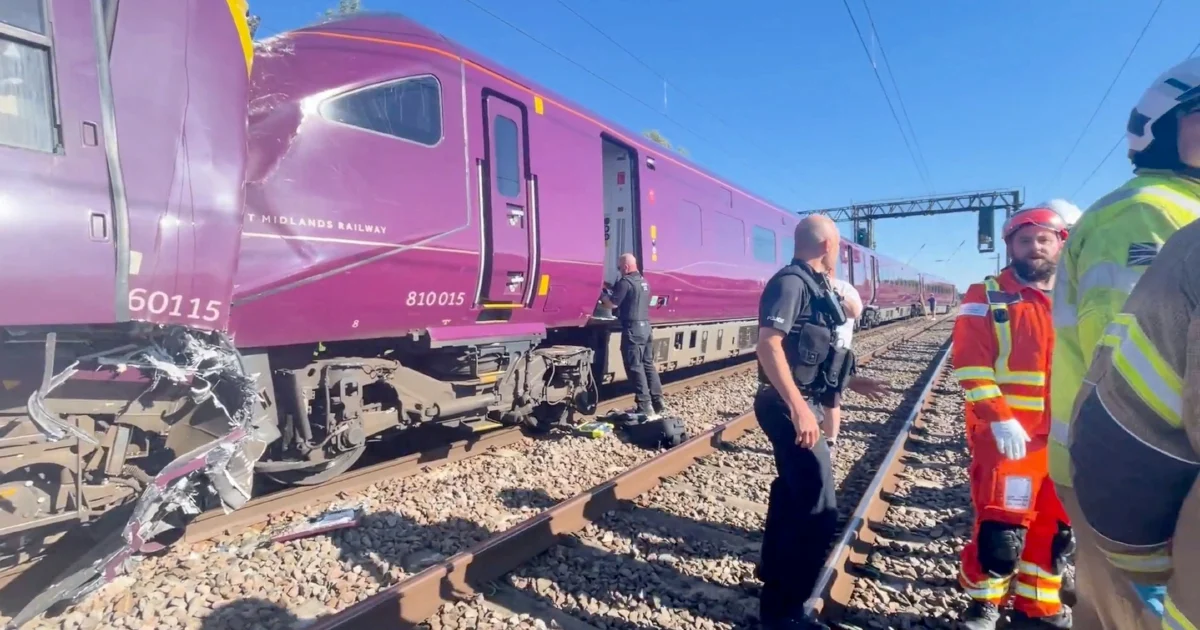
A serious railway accident unfolded north of London on Friday when two passenger trains collided, resulting in one fatality and leaving dozens of people requiring medical attention. The impact injured 11 individuals with severe injuries, according to statements issued by UK emergency services responding to the incident. The collision marks another significant safety concern for Britain's rail network, which carries millions of passengers annually across its complex system of routes and services.
Emergency crews mobilised swiftly to the accident site, providing immediate assistance to those caught in the impact. The severity of injuries varied, with the majority of those affected receiving treatment for their wounds at the scene and in nearby medical facilities. First responders faced the challenging task of extracting passengers from damaged carriages and administering urgent medical care to those most critically hurt.
For Malaysian readers, this incident serves as a stark reminder of railway safety challenges that affect transport networks globally. While Malaysia's Keretapi Tanah Air Berhad (KTAB) and private rail operators maintain their own safety protocols, international rail disasters highlight the importance of rigorous maintenance, signalling systems, and operational oversight. The UK's rail network, despite being one of Europe's oldest and most established, continues to experience incidents that prompt reviews of safety procedures.
Britain's rail infrastructure comprises thousands of miles of track carrying commuters, business travellers, and leisure passengers daily. The railway system, managed by Network Rail and operated by multiple private train companies, represents a critical component of the nation's transport strategy. Accidents of this magnitude trigger investigations into factors such as signalling failures, speed management, driver error, or maintenance deficiencies.
The collision raises questions about how modern rail systems, particularly in developed nations with advanced technology, can still experience such catastrophic incidents. The integration of automated safety systems, real-time monitoring, and comprehensive training protocols suggests that human error or mechanical failure must be examined carefully. Regulatory bodies in Britain, including the Office of Rail and Road, typically launch formal inquiries following major accidents to identify contributing factors and recommend preventative measures.
Comparable safety standards exist across Southeast Asian rail networks, though investment levels and infrastructure age vary considerably. Countries like Singapore operate highly automated systems with minimal collision incidents, while others in the region continue expanding their rail capacity amid growing urbanisation and transport demands. Malaysia's rail operators have invested in modernising networks, yet incidents elsewhere underscore the continuous need for vigilance and upgrading aging infrastructure.
The human cost of such accidents extends beyond immediate injuries and fatalities to encompass broader trauma experienced by survivors and emergency personnel. Passenger confidence in rail travel can be affected by high-profile accidents, potentially influencing modal choice and public perception of safety. In Malaysia, where rail expansion projects like the MRT and LRT continue to grow, maintaining public trust through demonstrated safety excellence remains paramount.
Investigators will likely examine communication protocols between train drivers, signalling systems responsible for preventing collisions, track conditions, and adherence to speed restrictions on the affected route. The UK's railway safety record, while generally sound compared to some nations, has experienced periodic incidents that spark parliamentary inquiries and regulatory reviews. Lessons learned from such accidents often inform international best practices shared across transport authorities globally.
The immediate aftermath of the collision required coordination between multiple emergency services, including paramedics, fire and rescue personnel, and police. Passenger care, evidence preservation, and scene management create competing demands that emergency responders must balance professionally. Family notification procedures and passenger support services would have been activated immediately to assist those affected.
For the broader aviation and transport sector in Asia-Pacific regions, this incident reaffirms the necessity of maintaining constant vigilance over safety systems. Technology advances have enhanced collision prevention capabilities, yet the effectiveness of any system depends upon consistent implementation, regular maintenance, adequate staffing, and thorough training. Complacency represents a genuine risk in any transport operation, particularly those operating intensive schedules across vast networks.
Looking ahead, the UK inquiry will generate findings that may influence regulatory frameworks affecting rail operations across Europe and beyond. International transport authorities, including those in Malaysia, often review such investigations to identify applicable lessons for their own networks. The incident underscores that even mature, well-established rail systems require continuous improvement and that safety remains an evolving challenge demanding sustained commitment from operators, regulators, and government authorities.