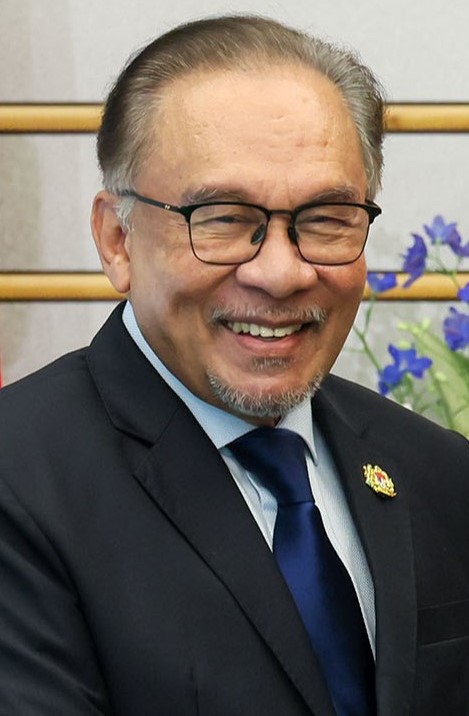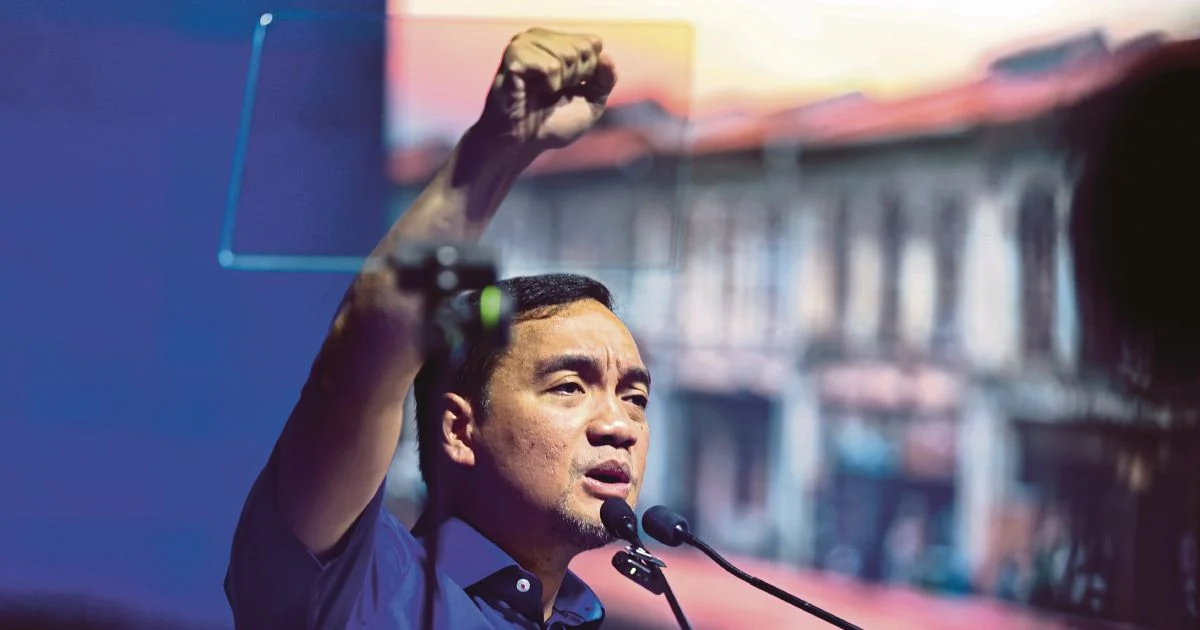
Datuk Onn Hafiz Ghazi, currently serving as caretaker Menteri Besar of Johor, has confirmed he will stand for re-election in the Machap constituency during the forthcoming state election. The announcement underscores his commitment to maintaining his political presence in the southern peninsula's most economically significant state, where his party has held considerable influence in recent political cycles.
The decision to contest Machap comes at a critical juncture for Johor's political landscape. As caretaker leader, Onn Hafiz oversees the state apparatus during the electoral period, a position that carries substantial responsibilities and symbolic weight. His choice to seek re-election from his home constituency rather than pursue a higher political office or strategic advantage elsewhere demonstrates confidence in his local support base and grassroots organisational strength.
Machap, located in the Muar district, has been represented by Onn Hafiz in previous electoral cycles. The constituency reflects a microcosm of Johor's diverse electorate, comprising both urban and semi-rural polling areas with a mix of manufacturing, trading, and agricultural interests. Understanding local concerns—from infrastructure development to employment opportunities and educational facilities—has been central to his previous electoral victories in the seat.
The forthcoming Johor election assumes particular significance within Malaysia's broader political framework. Johor remains a pivotal battleground where electoral outcomes often foreshadow trends affecting national politics. The state's demographic composition, economic vitality, and strategic location along major transportation corridors make its governance outcomes consequential for regional stability and economic performance. Electoral contests here typically attract intensive campaign efforts from all major political coalitions.
Onn Hafiz's background in Johor politics spans several decades of party service and constituency representation. His elevation to the caretaker Menteri Besar position reflects his standing within his political party and his demonstrated ability to manage complex state-level governance challenges. The continuity signalled by his decision to defend Machap sends a message to both supporters and observers that he intends to remain actively engaged in Johor's political trajectory rather than stepping aside for newer voices.
The competitive environment surrounding Johor elections has intensified considerably in recent years as opposition parties have strengthened their organisational presence and electoral machinery throughout the state. Candidates across the political spectrum are expected to campaign vigorously in all constituencies, including Machap. The quality of campaign strategy, ground-level engagement with voters, and articulation of policy responses to local priorities will determine outcomes.
Electoral dynamics in constituencies like Machap often hinge on bread-and-butter issues that directly affect voter livelihoods. Employment generation, particularly in light of economic transitions affecting traditional industries, remains a pressing concern. Educational infrastructure, healthcare accessibility, and transport connectivity also feature prominently in voter considerations. Candidates who effectively address these practical concerns whilst maintaining strong community connections typically enjoy electoral advantages.
Onn Hafiz's position as caretaker Menteri Besar places him in a heightened public spotlight during the campaign period. His governance decisions during this interim phase carry electoral implications, as voters assess his administrative competence and policy priorities. The balance between normal governmental functions and campaign activities becomes a delicate consideration for caretaker leaders, requiring careful navigation to maintain public confidence in state institutions.
The election timeline and campaign schedule will shape the intensity and character of political competition in Johor. Local issues specific to Machap will likely dominate constituency-level campaigning, though broader state and national concerns inevitably influence voter deliberations. Candidates must simultaneously address hyperlocal concerns and connect them to wider policy frameworks that resonate with the electorate's longer-term aspirations.
Onn Hafiz's decision carries implications beyond his personal political fortunes. His re-election bid reflects his party's broader strategy for maintaining influence in Johor, a state that commands respect within Malaysia's political establishment due to its economic weight and historical significance. The outcome of contests involving senior party figures like the caretaker Menteri Besar often influences perceptions of party strength and momentum heading into the formal campaign phase.
Voter sentiment in Machap will ultimately determine whether Onn Hafiz successfully defends his seat. Factors ranging from grassroots sentiment on governance performance to emerging socio-economic concerns and the appeal of alternative candidates will influence electoral calculations. Competition in this constituency will reflect wider patterns across Johor, offering early indicators of the state election's probable direction.