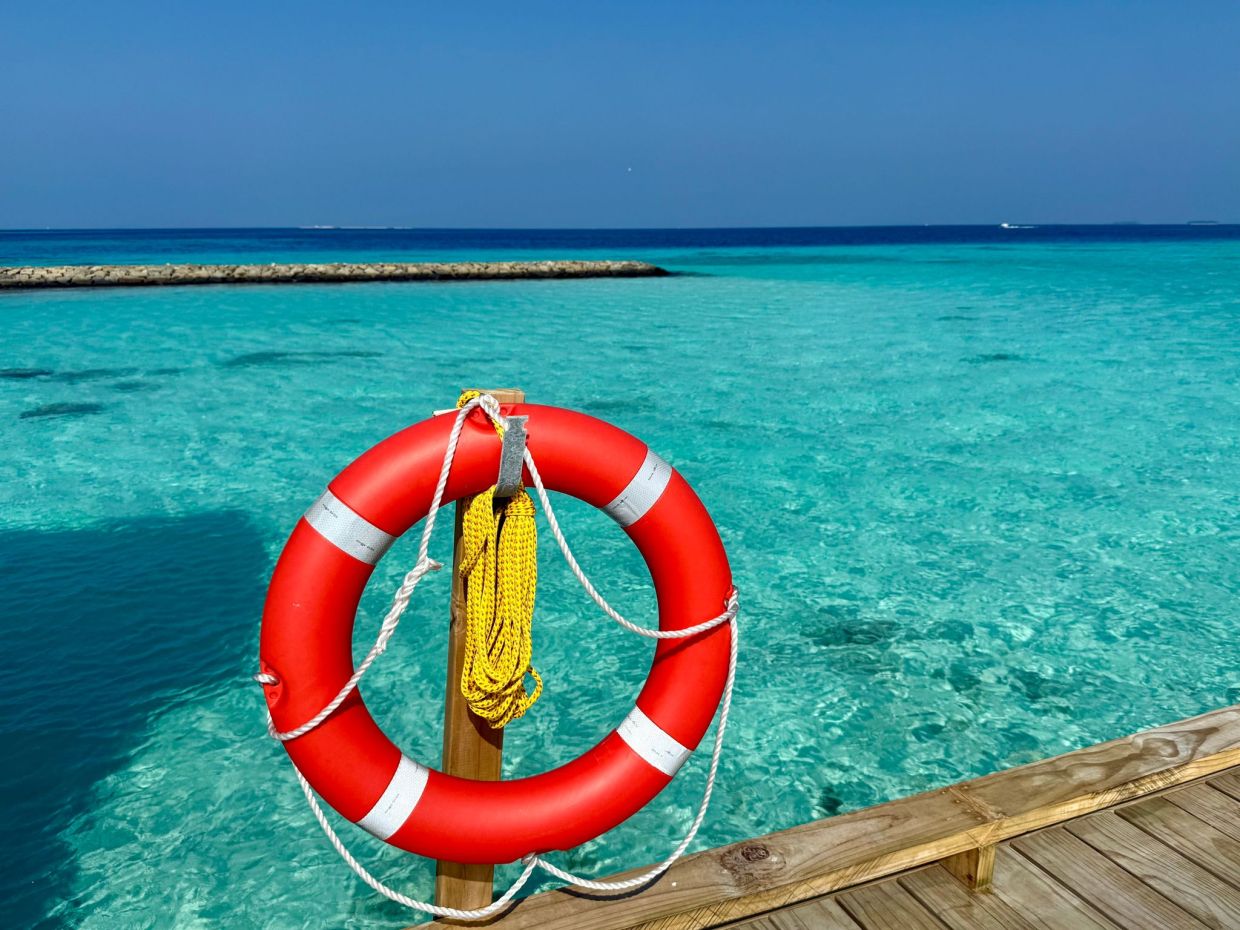
Many Malaysians and tourists visiting our coastlines and inland waterways underestimate the dangers lurking beneath seemingly inviting waters. While open-water swimming offers refreshing recreation during holidays, the unique hazards presented by lakes, rivers, and seas demand careful preparation and heightened awareness. According to Peter Dawes, general manager of lifeguard operations at the Royal National Lifeboat Institution, a critical problem stems from swimmers overestimating their own capabilities while simultaneously underestimating environmental risks. This miscalculation frequently leads to avoidable incidents that could easily be prevented through proper knowledge and precaution.
One of the most deceptive aspects of tropical and temperate water swimming is the relationship between air temperature and water conditions. Even during Malaysia's hot, humid weather, water temperatures can remain significantly cooler than the surrounding air, catching unprepared swimmers off guard. Many people emerge from the water with hypothermia symptoms after extended periods, unaware that their bodies were losing heat at a dangerous rate. Dawes emphasises this disconnect, noting that regardless of how warm the day feels, swimmers must never assume the water itself will provide the comfort they expect. This is particularly relevant for Malaysian waters, where monsoon seasons bring temperature variations that casual swimmers may not anticipate.
Advance preparation substantially increases safety margins for water activities. Before heading to any beach, river, or lake, swimmers should research prevailing weather conditions, tidal patterns, and local water characteristics. Visiting lifeguarded beaches specifically allows swimmers to consult with trained personnel who understand site-specific hazards that might not be obvious to visitors. These professionals can provide invaluable information about rip currents, underwater obstacles, depth variations, and other dangers that change seasonally or even daily. For Malaysian swimmers unfamiliar with particular beaches or waterways, taking time to speak with lifeguards or local authorities represents the single most effective safety investment possible.
Identifying potential hazards before entering the water requires systematic thinking about environmental factors. Rip currents present the most significant threat at coastal locations, capable of sweeping swimmers away from shore with deceptive ease. In inland waterways—common throughout Malaysia for recreational swimming—underwater hazards pose equally serious dangers. Submerged roots, fallen branches, rubbish, and industrial debris frequently lurk invisibly in murky water, ready to snag limbs or cause injury. Alongside these physical obstacles, swimmers must maintain constant awareness of weather pattern changes, water temperature fluctuations, and depth variations. This comprehensive hazard assessment takes only minutes but can prevent tragic outcomes.
Grouping swimmers together during water activities provides mutual protection and accountability. When swimmers remain together, they can monitor each other's wellbeing and respond quickly if someone experiences difficulty. The buddy system has proven effective across numerous water safety programmes precisely because it eliminates the isolation that transforms minor problems into emergencies. Additionally, designated swimming zones marked by red and yellow flags at lifeguarded beaches represent carefully selected areas where lifeguards concentrate their surveillance. These flags typically demarcate the safest sections available, sometimes positioned strategically over sandbars or safer underwater topography. Just beyond these flags, conditions often deteriorate dramatically, with rip currents or dangerous depths presenting genuine hazards. Lifeguards deliberately focus their attention on flagged areas, making them statistically the safest locations for recreational swimmers.
Children require specialised supervision strategies that go beyond standard safety measures. Young swimmers should always remain within arm's length of a supervising adult who can reach them immediately if needed. Equally important is dressing children in bright, high-visibility clothing that allows caregivers to track them visually amid crowds and water reflections. This simple precaution has prevented countless incidents by ensuring that children remain immediately identifiable to their guardians. Malaysian beaches and popular swimming areas often become crowded during holidays and weekends, making visibility crucial for child safety.
The physical process of entering water requires deliberate, measured technique rather than enthusiastic diving or jumping. Rapid water entry prevents the body's thermoregulation systems from adjusting to temperature changes, potentially triggering cold-water shock—an involuntary gasping reflex that can cause drowning even among strong swimmers. By entering gradually and allowing the body time to acclimate, swimmers activate their natural adaptation mechanisms. Wearing wetsuits provides additional insulation and protection, particularly for extended swimming sessions or cooler water conditions. Furthermore, identifying exit points before entering the water ensures swimmers know exactly where they should head if difficulties arise, preventing disorientation in unfamiliar water environments.
Water clarity variations between different locations and seasons significantly impact safety. Malaysian tropical waters frequently suffer from reduced visibility due to sediment, algae, or weather disturbance, meaning swimmers cannot see underwater obstacles that might cause injury. These invisible hazards—submerged objects, depth changes, or debris—present genuine dangers to swimmers who plunge into unclear water without gradual entry. Slow, deliberate entry techniques provide opportunities to detect and avoid such obstacles before they cause harm. This approach proves particularly vital in rivers, reservoirs, and coastal areas experiencing tidal mud shifts or seasonal flooding that rearrange underwater terrain.
Emergency response protocols require advance knowledge that could prove lifesaving during actual crises. If a swimmer encounters trouble in the water, the recommended response involves floating on one's back, positioning the head back sufficiently that ears submerge while the airway remains above water. This floating position keeps breathing passages clear while conserving energy and allowing the swimmer to recover from panic or exhaustion. Practising this survival skill in safe environments like swimming pools ensures that muscle memory activates instinctively during emergencies rather than requiring conscious thought when panic might interfere. The survival value of back-floating lies in its energy conservation—swimmers can maintain this position for extended periods while awaiting rescue, whereas active swimming against exhaustion leads to faster deterioration.
Witness intervention also requires knowledge of appropriate emergency response procedures. Observing someone in distress triggers instinctive rescue impulses that, while well-intentioned, can create additional casualties when untrained swimmers attempt direct intervention. Instead, witnesses should immediately contact emergency services, specifying the location type—coastguard for beach emergencies, fire and rescue services for inland waterways. These agencies possess specialised equipment, training, and communication systems that enable rapid response far exceeding what civilian swimmers can provide. In Malaysia, tourists and local swimmers should familiarise themselves with appropriate emergency numbers for their specific location, ensuring they can communicate precisely during critical situations. This distinction between coastal and inland emergency services proves important because different agencies maintain jurisdiction over different water environments and possess relevant expertise and equipment for those specific conditions.
Understanding these safety principles transforms water recreation from a risky gamble into a manageable activity with acceptably low hazard levels. Every element—advance planning, hazard awareness, proper entry techniques, supervision strategies, and emergency knowledge—addresses specific risks that swimmers commonly ignore or underestimate. Malaysian swimmers and visitors who internalise these principles and apply them consistently can enjoy our abundant coastal and inland water resources with substantially reduced injury risk. The water remains fundamentally unpredictable and more powerful than any individual human, but informed, cautious swimmers can successfully navigate these environments while minimising preventable tragedies.

