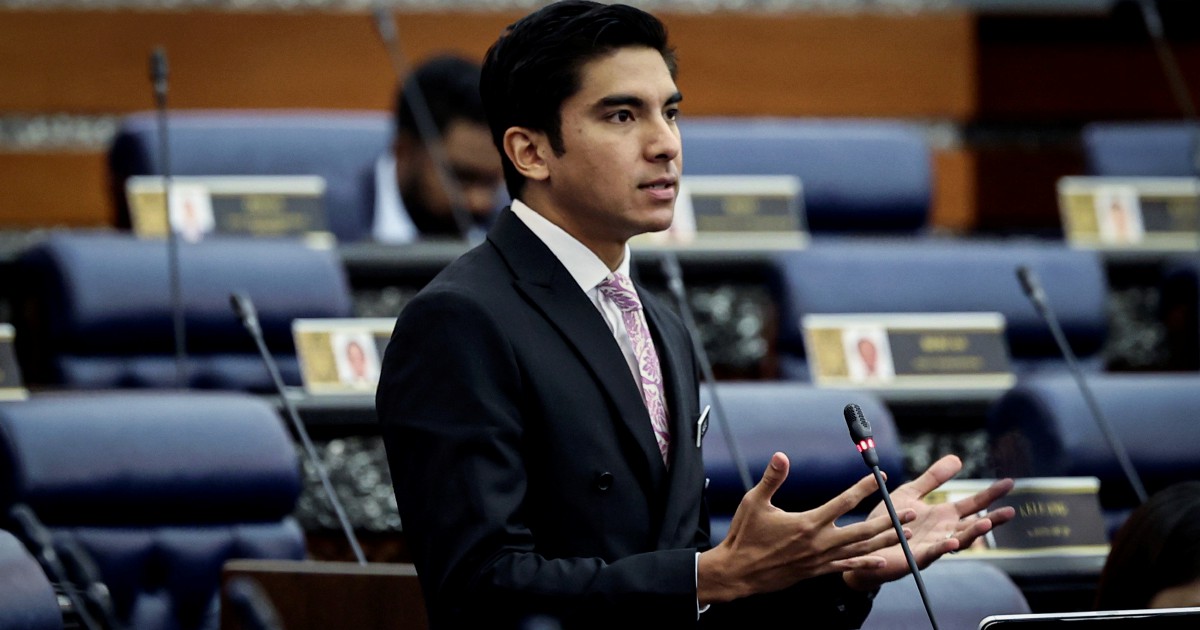
Muda MP Syed Saddiq Syed Abdul Rahman delivered a sharp rebuke in parliament to opposition parties who absented themselves from a crucial debate on the Tabung Haji Royal Commission of Inquiry findings, characterising their decision as a dereliction of duty toward the millions of Malaysians who hold deposits with the Islamic pilgrim fund.
The Muar representative's criticism reflects deepening tensions within parliament over how lawmakers are handling the scrutiny of Tabung Haji's operations and finances. The institution manages savings from devotees preparing for the Islamic pilgrimage and maintains one of Malaysia's largest pools of individual deposits. The RCI was established to investigate governance lapses and financial irregularities at the organisation, making the parliamentary debate a significant moment for accountability and legislative oversight.
By choosing not to participate in the debate, opposition MPs forfeited an opportunity to interrogate government responses and propose alternative approaches to protecting depositor interests. Such legislative moments are relatively rare in Malaysia's parliamentary calendar, and the absence of opposition voices undermines the scrutiny function that opposition parties claim as their primary responsibility in a democratic system. Syed Saddiq's comment suggests that the boycott was viewed by some as a strategic misstep that weakened parliament's effectiveness as an institution.
Tabung Haji has become a politically sensitive issue in recent years, particularly following revelations about fund management, investment decisions, and the erosion of depositor values. The institution holds the retirement savings and pilgrimage funds of millions of middle-income and working-class Malaysians, making its stability a matter of national economic concern. Many depositors are individuals of modest means who have been contributing to their accounts for decades, making the integrity of Tabung Haji governance directly relevant to household financial security across the country.
The Royal Commission of Inquiry was tasked with examining specific concerns about internal controls, corporate governance standards, and the adequacy of regulatory oversight. Its report represents the culmination of investigation into institutional failures that contributed to financial losses. Parliamentary debate on RCI findings typically offers an opportunity for comprehensive discussion of reform measures, legislative amendments, and executive accountability. The refusal of opposition lawmakers to attend this session removes crucial voices from such deliberation.
Syed Saddiq's intervention highlights a broader debate about parliamentary responsibility during times of institutional crisis. Opposition parties maintain that boycotts are sometimes justified as protests against what they perceive as government overreach or procedural unfairness. However, critics contend that such tactics, regardless of their political justifications, ultimately harm citizens who depend on effective parliamentary scrutiny. In the case of Tabung Haji, the stakes are particularly high because the institution directly affects the financial wellbeing of tens of millions of Malaysian depositors.
The criticism also reflects generational and ideological differences within Malaysian politics. Syed Saddiq, representing Muda, a relatively new political force, has positioned his party as focused on practical outcomes for citizens rather than partisan positioning. His remarks align with a broader centrist critique of opposition tactics, though the validity of his argument likely depends on whether opposition parties believed they had substantive grounds for their boycott.
Moving forward, the debate raises important questions about parliamentary culture and the effectiveness of legislative oversight in Malaysia. Strong democratic systems typically depend on opposition parties actively participating in critical debates, even when they disagree with government positions or processes. The Tabung Haji situation presents a case study in the consequences of parliamentary absence during moments requiring comprehensive scrutiny and multiple perspectives.
For depositors, the political drama surrounding the RCI debate underscores a deeper anxiety about institutional accountability. Many have experienced erosion of their savings due to alleged mismanagement, and they depend on parliament—both government and opposition lawmakers—to represent their interests effectively. When any parliamentary bloc withdraws from such discussions, it diminishes the forum's capacity to demand answers and propose remedies.
The incident also has implications for how Malaysia approaches institutional reform more broadly. If parliament cannot maintain engagement across political divides on issues affecting millions of citizens directly, the credibility of legislative solutions becomes questionable. This is particularly significant for Southeast Asia, where several countries continue working to strengthen democratic institutions and parliamentary accountability standards.
Moving forward, both government and opposition parties may need to reconsider how they balance legitimate political grievances with institutional responsibilities. The Tabung Haji crisis, affecting 10 million depositors, transcends routine party politics and demands sustained parliamentary engagement from all quarters. The decision of some opposition lawmakers to abstain from this debate will likely become a reference point in future discussions about parliamentary responsibility and the prioritisation of citizen welfare over political tactics.

