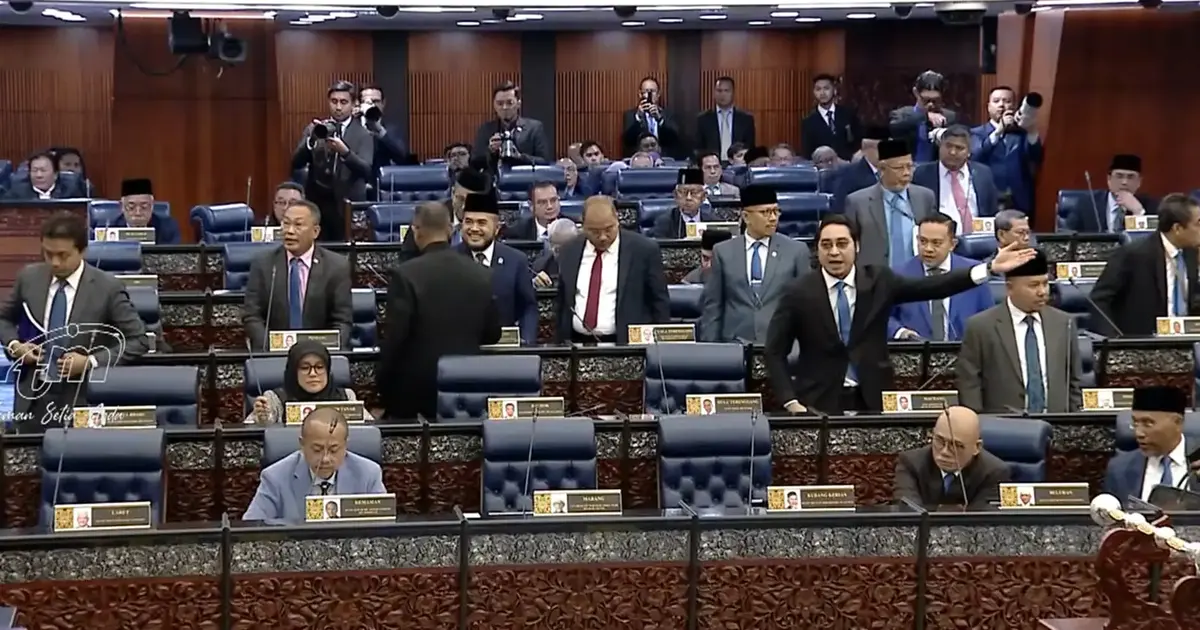
Parliamentary proceedings descended into acrimony on Tuesday when lawmakers from the Perikatan Nasional coalition staged a walkout after Speaker Datuk Azhar Azizan Harun rejected their motion to defer a special sitting of the Dewan Rakyat. The opposition bloc's departure underscored mounting tensions between the government and PN alliance over parliamentary protocol and the attendance of senior government figures during legislative sessions.
The core disagreement centered on PN's insistence that any special parliamentary sitting should be rescheduled to ensure the prime minister could participate in full. Opposition leaders argued that holding the session without Malaysia's chief executive would compromise the legitimacy of proceedings and prevent adequate government representation. This position reflects broader concerns within PN about the government's parliamentary management and the transparency of legislative business conducted outside normal sitting calendars.
However, the walkout was not entirely unified. Bersatu, a major coalition partner within the PN alliance, notably declined to join their political colleagues in leaving the chamber. This partial participation highlighted fractures within the opposition bloc itself, suggesting that while Perikatan Nasional maintains a common political platform, member parties do not always move in lockstep on parliamentary tactics. The absence of Bersatu members from the protest weakened PN's coordinated show of strength and raised questions about the durability of internal consensus on opposition strategy.
Speaker Azhar's refusal to accommodate the delay decision represented an assertion of parliamentary authority and adherence to established procedures governing special sittings. The speaker's role requires balancing legitimate requests from lawmakers while maintaining the independence and functionality of the legislative process. By declining to postpone, the speaker signaled that parliament's business would proceed according to the calendar and agenda as formally established, regardless of political pressure or the absence of particular individuals.
For Malaysian observers, this confrontation illustrates the persistent tensions between government and opposition in the current political environment. PN has sought to position itself as a constructive check on executive power, but parliamentary walkouts carry reputational risks and can alienate centrist voters who view such tactics as obstructionist. The decision to stage a dramatic exit, even as Bersatu hedged its commitment, suggests PN leadership calculated that the symbolic gesture of protest outweighed concerns about being perceived as disruptive.
The incident also reflects deeper questions about parliamentary culture in Malaysia. Special sittings, while legitimate procedural tools, can raise transparency concerns if the public and opposition feel they circumvent normal deliberative processes. PN's argument that the prime minister should attend such sessions taps into reasonable expectations about executive accountability, even if the specific timing dispute may appear procedurally narrow to outside observers.
From a Southeast Asian perspective, Malaysia's parliamentary dynamics merit attention as the region navigates questions about democratic institutions and opposition rights. Unlike some neighboring democracies that have experienced severe constraints on legislative opposition activity, Malaysia's parliament remains a venue where dissent finds organized expression. PN's walkout, while confrontational, occurs within a system where such protests are tolerated and even reported transparently by state media, indicating institutional resilience.
The PN coalition's internal divisions over this walkout carry implications for future opposition strategy. If member parties like Bersatu consistently fail to maintain unified positions during parliamentary actions, PN's effectiveness as a coherent alternative government diminishes. Opposition credibility depends partly on demonstrating discipline and coherence, qualities undermined when constituent members pursue divergent tactics in high-visibility moments.
Looking ahead, this episode may influence how parliament handles special sittings and whether conventions around prime ministerial attendance during extraordinary sessions become more formally codified. The speaker's position holds considerable weight in determining parliamentary practice, and future speakers may face similar requests for deferrals, requiring consistent application of principles.
Malaysian political observers note that parliamentary confrontations of this nature, while dramatic, often produce limited tangible results beyond registering formal objections. The walkout serves primarily as a message to PN supporters that opposition leaders actively contest government decisions, though whether this translates into electoral or policy advantages remains uncertain. The episode underscores that despite Malaysia's constitutional framework and institutional checks, political theater and symbolic actions remain central to how opposition parties communicate with constituents and negotiate power with government.

