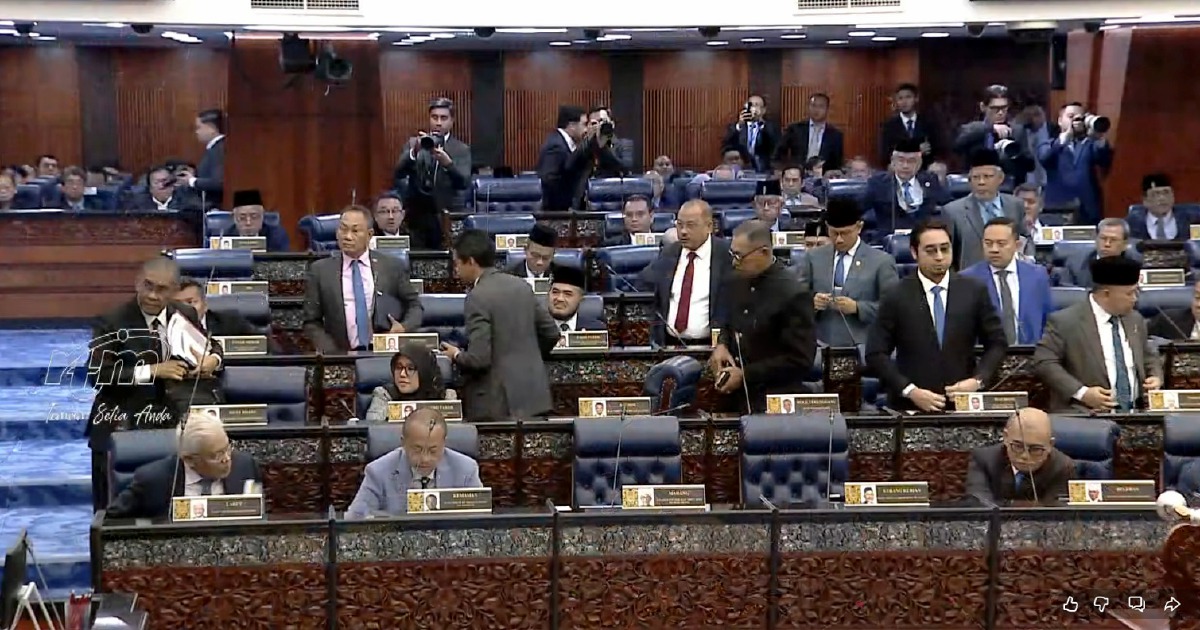
Opposition lawmakers staged a dramatic departure from the Dewan Rakyat today, abandoning the chamber after the Speaker declined their petition to delay a special parliamentary session examining the Royal Commission of Inquiry findings on Tabung Haji. The boycott underscores growing tension within Malaysia's Parliament over parliamentary procedures and the timing of major legislative debates, particularly when senior government figures are absent from the chamber.
The opposition's primary argument centred on the absence of Prime Minister Datuk Seri Anwar Ibrahim, whom they contended should be present for such a consequential discussion. By walking out, opposition MPs sought to register their displeasure with what they viewed as procedural irregularities and a diminishment of parliamentary decorum. The walkout demonstrates the opposition's willingness to employ confrontational tactics when they believe parliamentary conventions are being breached or when they perceive disadvantages in debating conditions.
The Speaker's decision to proceed with the sitting despite the opposition's objections reveals the government's determination to move forward with the Tabung Haji RCI discussion on its own schedule. This represents a significant assertion of the ruling coalition's parliamentary majority and its ability to conduct business even without full opposition participation. The clash illustrates the broader dynamics at play in contemporary Malaysian politics, where procedural disputes often mask deeper strategic disagreements between the government and opposition blocs.
Tabung Haji, the pilgrimage fund that manages billions of ringgit on behalf of Malaysian Muslims preparing for the hajj pilgrimage, has been the subject of considerable scrutiny in recent years. The RCI was established to investigate concerns about governance, financial management, and alleged misuse of funds under previous administrations. The inquiry's findings carry significant implications not only for the institution itself but also for accountability standards across Malaysian government agencies and statutory bodies.
For Malaysian Muslim pilgrims and their families, the outcomes of this RCI investigation hold practical importance. Tabung Haji serves as a trusted savings mechanism for millions of Malaysians, and questions about its integrity directly affect public confidence in the institution. The special parliamentary sitting was designed to allow lawmakers to scrutinise these findings and discuss potential reforms or corrective measures. The opposition's walkout, however, meant that a significant portion of Parliament's representation was absent from this crucial deliberation.
The parliamentary absence of the Prime Minister during such a debate is not unprecedented, but it remains contested procedurally. Conventions around ministerial presence, particularly that of the head of government, vary depending on the nature of the discussion and parliamentary precedent. Opposition members argued that the Prime Minister's presence was essential given his role in overseeing government institutions and his responsibility for upholding public accountability standards. The government apparently judged that the sitting could proceed constructively without him.
This incident reflects deeper questions about parliamentary discipline and opposition strategies in Malaysia. While walkouts are sometimes deployed as expressions of protest, they also come with political costs—absent lawmakers cannot directly influence debate or propose amendments. The opposition faced a difficult choice between making a symbolic stand about parliamentary procedure and maintaining a presence to actively shape the discussion about Tabung Haji's future.
The Tabung Haji RCI findings are likely to include recommendations for governance improvements, financial controls, and transparency mechanisms. These recommendations could affect how the fund operates, how it invests pilgrims' contributions, and how it maintains oversight. The parliamentary debate was intended to facilitate public discussion of these matters and to chart a path forward for institutional reform. With opposition MPs absent, the government coalition faced fewer constraints in framing the narrative around the RCI's findings.
From a Malaysian governance perspective, this incident highlights persistent challenges in building consensus around institutional accountability. Parliamentary democracy functions most effectively when all major political actors engage constructively with significant policy matters, even when they disagree. Walkouts, while sometimes justified as principled stands, can undermine the collaborative problem-solving that complex institutional issues often require.
The opposition's decision to boycott will likely fuel continued debate about parliamentary procedures and government majority tactics. It may also become a reference point in future disputes over when special sittings should occur and under what conditions. As Malaysia navigates questions of institutional reform and public trust, parliamentary discourse on matters like Tabung Haji governance requires sustained engagement from all stakeholders. The walkout, whatever its immediate political purpose, represented a lost opportunity for comprehensive legislative scrutiny of an institution affecting millions of Malaysians' financial security and religious obligations.
Moving forward, stakeholders within Parliament will need to grapple with how to conduct meaningful debates on consequential matters while respecting both procedural conventions and the practical constraints that sometimes affect ministerial availability. The Tabung Haji situation exemplifies the broader challenge of maintaining legislative effectiveness in a polarised political environment.

