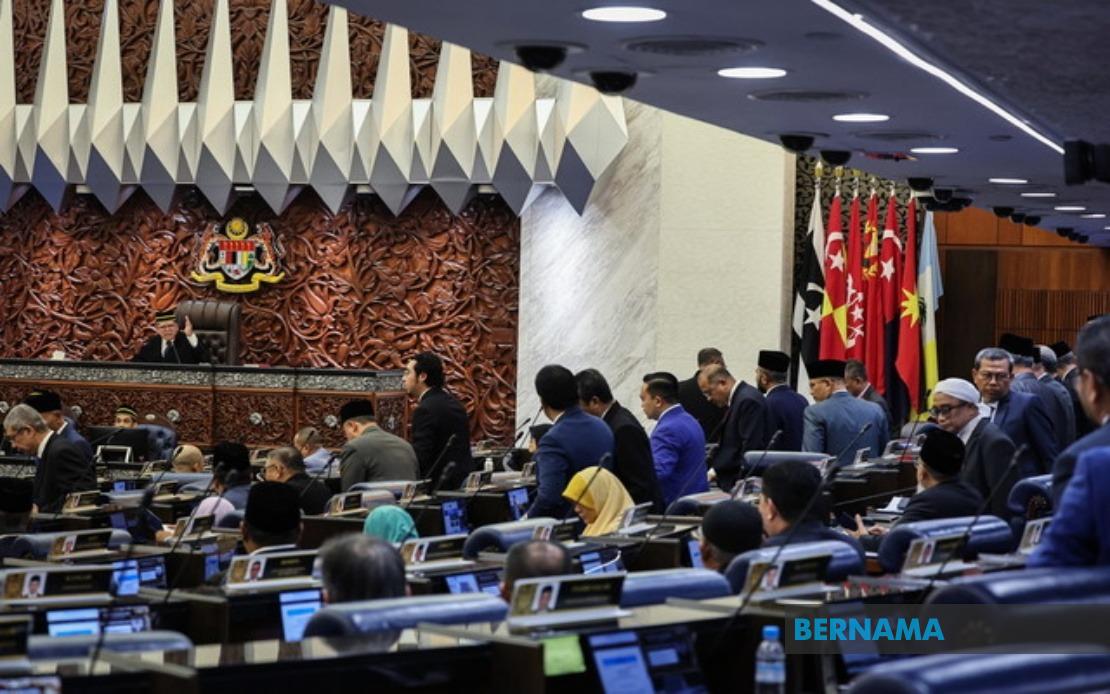
Opposition Members of Parliament staged a dramatic walkout from the Dewan Rakyat on August 11, boycotting a ministerial briefing session centred on the Royal Commission of Inquiry report examining Lembaga Tabung Haji's governance and operations. The coordinated departure reflected mounting frustration within the opposition benches regarding what they viewed as inadequate representation at a significant parliamentary discussion affecting the nation's pilgrimage savings institution.
The decision to leave the chamber stemmed from opposition dissatisfaction with Speaker Tan Sri Johari Abdul's choice to proceed with the briefing despite the conspicuous absence of Prime Minister Datuk Seri Anwar Ibrahim. Anwar and Deputy Prime Minister Datuk Seri Fadillah Yusof were both receiving medical treatment, creating a situation that opposition leaders deemed inappropriate for debating a sensitive matter involving potential institutional failures and mismanagement allegations.
Datak Seri Takiyuddin Hassan, serving as Perikatan Nasional's opposition chief whip, had formally proposed postponing the special sitting to accommodate the leadership vacuum. His motion reflected a broader concern that proceeding without the Prime Minister's participation diminished the gravity afforded to findings that could carry significant implications for the pilgrimage fund and its beneficiaries, predominantly Muslim Malaysians saving for the Hajj journey.
The Speaker's response to the opposition's concerns demonstrated limited flexibility. Johari permitted the lawmakers to exit without obstruction, characterizing their departure as a matter of personal choice while invoking public scrutiny as an implicit consequence. His measured but firm stance suggested an institutional determination to maintain parliamentary momentum despite the leadership absences, framing the briefing as important enough to proceed regardless of opposition participation.
Following the walkout, Johari proceeded with the order of business by inviting Dr Zulkifli Hasan, the Minister in the Prime Minister's Department (Religious Affairs), to deliver the briefing on the Tabung Haji RCI findings. This delegation reflected the government's effort to maintain continuity in parliamentary proceedings and ensure that substantive information regarding the commission's investigation reached the legislative chamber, even if fractured along partisan lines.
The confrontation highlights persistent tensions within Malaysia's coalition government framework. Opposition MPs' decision to absent themselves from the discussion represents more than procedural objection; it signals their strategic choice to avoid legitimizing what they perceive as inadequate institutional representation. By walking out, they created a visual and political record of their opposition to the sitting's circumstances, a tactic designed to resonate with their supporters and emphasize perceived governance shortcomings.
Tabung Haji remains a crucial Malaysian institution, with millions of Muslim citizens entrusting their savings to the organization specifically for pilgrimage purposes. Any RCI report examining its management attracts considerable public attention, as findings can affect fund security, operational transparency, and fiduciary practices. The opposition's insistence on prime ministerial attendance underscored their view that such deliberations warranted the nation's highest executive presence, not mere ministerial representation.
The medical circumstances affecting Anwar and Fadillah complicated parliamentary operations during a period when substantive legislative business required attention. While legitimate health considerations necessitated their absence, opposition lawmakers questioned whether postponement would have been more appropriate than proceeding with compromised leadership representation. This dilemma reflects ongoing challenges within Westminster-influenced parliamentary systems when unforeseen circumstances disrupt expected institutional hierarchies.
The walkout also reveals underlying dynamics within Malaysia's political opposition. Perikatan Nasional's formal proposal for postponement, supported by the subsequent coordinated exit, demonstrates the opposition bloc's capacity for collective action despite internal diversity. By abstaining from the session, opposition MPs denied government benches the legitimacy that comes from full parliamentary participation, though this strategy carries the risk of appearing obstructionist to certain segments of the electorate.
For Malaysian observers and those tracking Southeast Asian parliamentary developments, this incident encapsulates broader questions about executive absence management, parliamentary procedure under strain, and opposition leverage during divided government. The Speaker's determination to proceed despite opposition departure established a precedent regarding institutional continuity, while the opposition's tactical exit demonstrated their capacity to register dissent through non-participation rather than parliamentary debate.
The implications extend beyond immediate procedural concerns. How the government handles Tabung Haji RCI findings, particularly given the contentious circumstances of their parliamentary presentation, will likely influence public perception of institutional accountability and political maturity. The opposition's absence from substantive discussion, even if strategically motivated, simultaneously reduces their direct input into shaping parliamentary discourse surrounding the commission's potentially damaging conclusions.
Moving forward, this episode suggests that managing significant institutional inquiries during periods of leadership unavailability requires more careful coordination between parliamentary leadership and opposition stakeholders. The confrontation also illustrates how Malaysia's evolving political landscape, characterized by coalition complexity and divided representation, continues generating novel procedural challenges. Future special sittings involving critical national inquiries may benefit from broader consultation regarding timing and participation expectations, particularly when executive attendance faces legitimate obstacles.

